World-famous for its fine pepper, Kampot is a town with a lot to offer. Just a stone’s throw from the Gulf of Thailand and mountains like Bokor, the area has an amazing variety of landscapes: mountains, rice paddies, beaches, salt fields… It’s also much more laid-back than bustling Phnom Penh and Siem Reap, so you can take your time and really soak up local life. It’s a must-see stop in Cambodia, and one we especially loved.
So, what are the best things to do in Kampot? How should you plan your stay? We answer everything in this guide!
Things to do in Kampot
1. Explore downtown Kampot
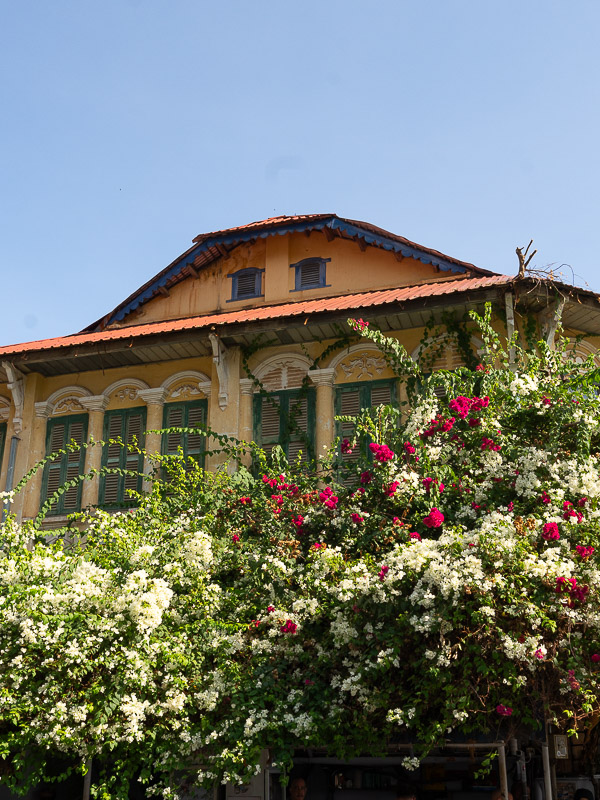
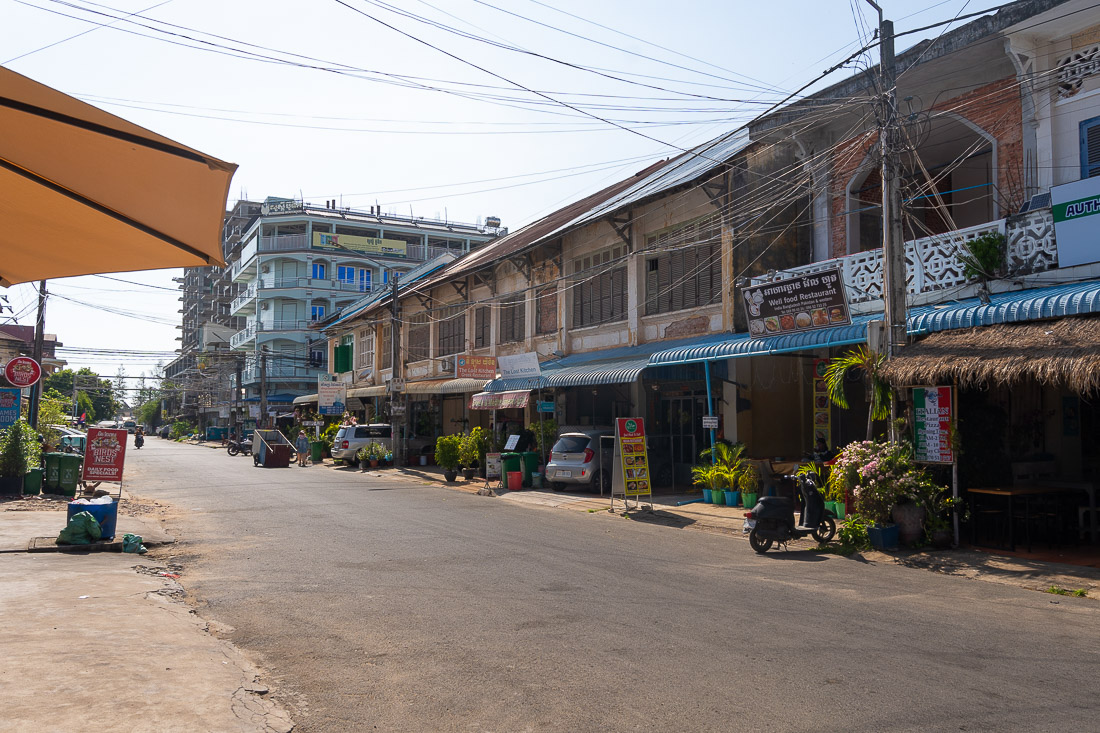
Downtown Kampot isn’t very big and makes for a lovely little walk! The town stands out for its well-preserved French colonial architecture.
Grand villas, colorful facades and wrought-iron balconies: you’ll find plenty of buildings like these in the streets of Kampot, such as the La Java Bleue hotel, the old fish market and the National Bank.
But downtown Kampot has a few other points of interest too, including:
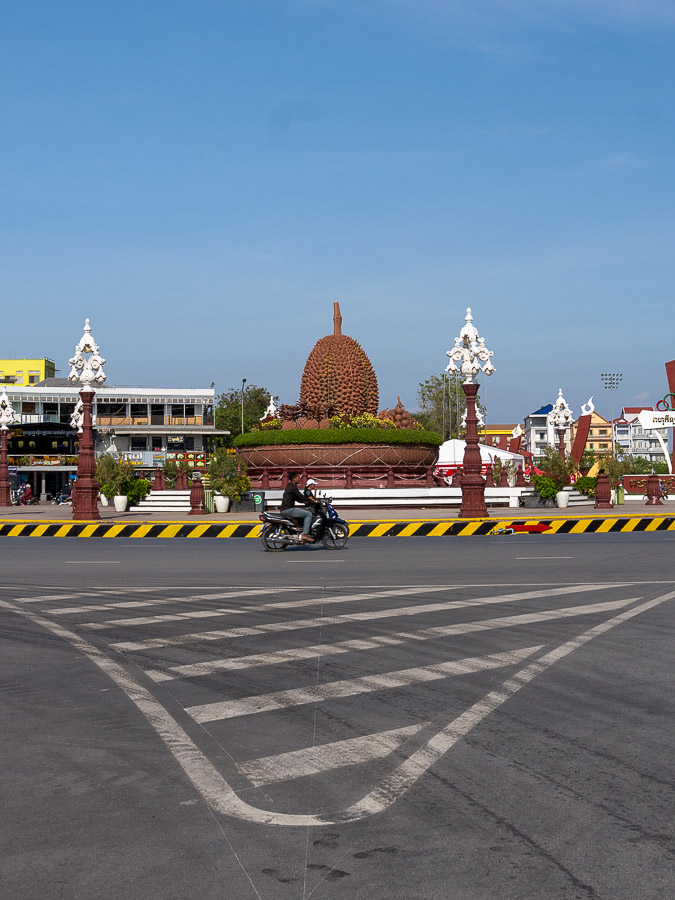
- The Krong Kampot roundabout, with its giant durian statue (Kampot’s durians are famous all over Asia!)
- The giant seahorse statue, which endlessly spits water into the Tuek Chhu River
- The Lotus Pond (although the lotuses were all scorched during the hot season).
- Entanou Bridge: a small historic bridge across the Tuek Chhu, open only to pedestrians, bicycles and motorbikes.


2. Go shopping at Samaki Market
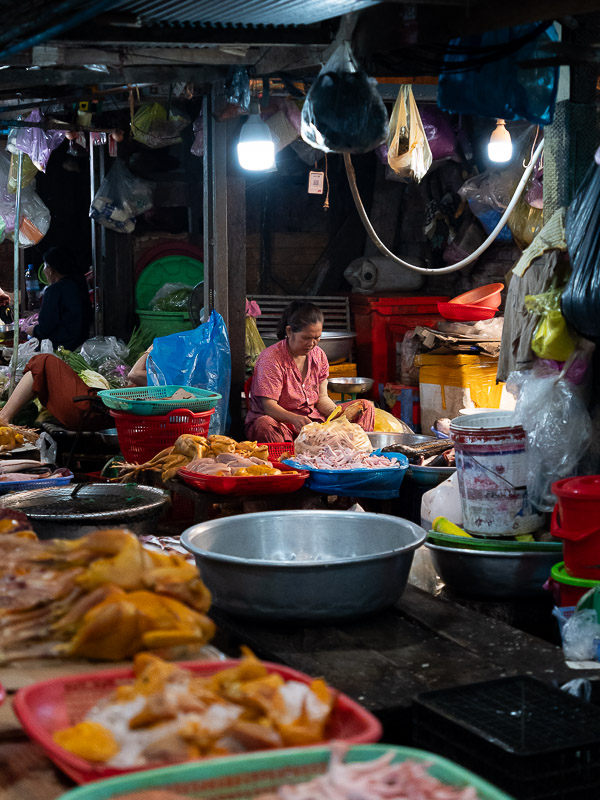
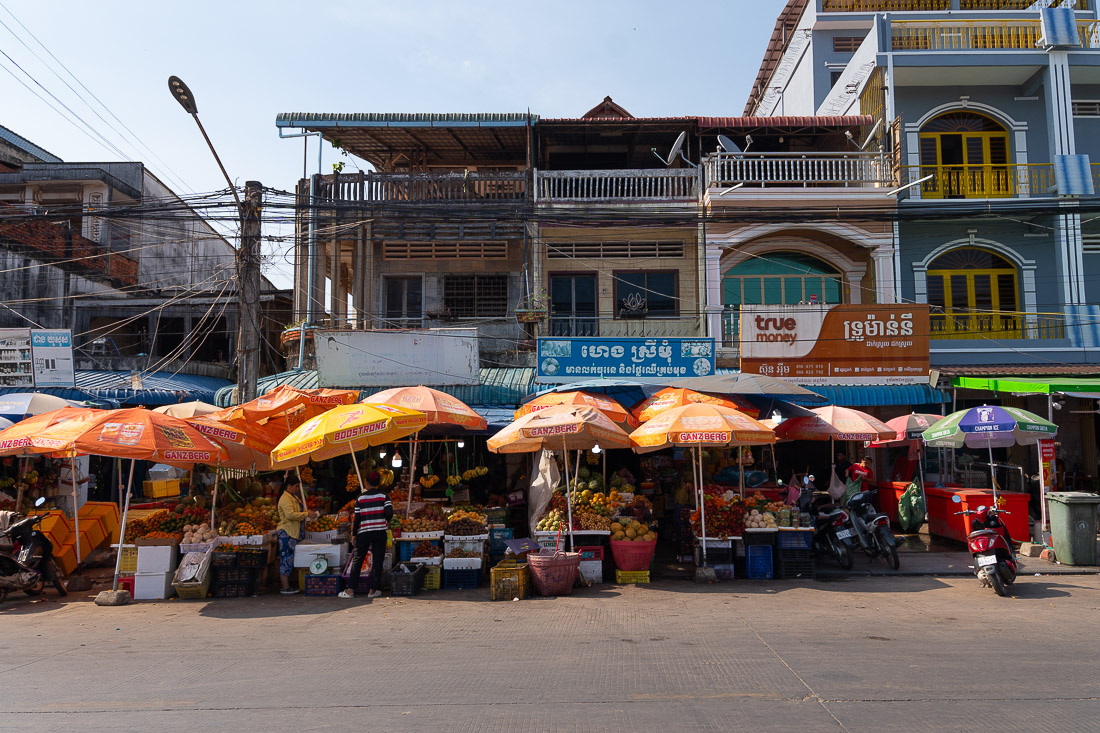
Want to soak up the authentic atmosphere of a Cambodian market? Head to Samaki Market, in the north of Kampot. It’s a huge covered market where you weave your way under stretched tarps past countless stalls of fruit, vegetables, spices, meat, fish and local specialties.
Compared to the markets we visited in Siem Reap, this one felt much more authentic. All around it, you’ll also find lots of street food stalls for a quick snack. We recommend the banana and chocolate pancakes (or rotis): absolutely delicious!


3. Relax at Kampot Beach
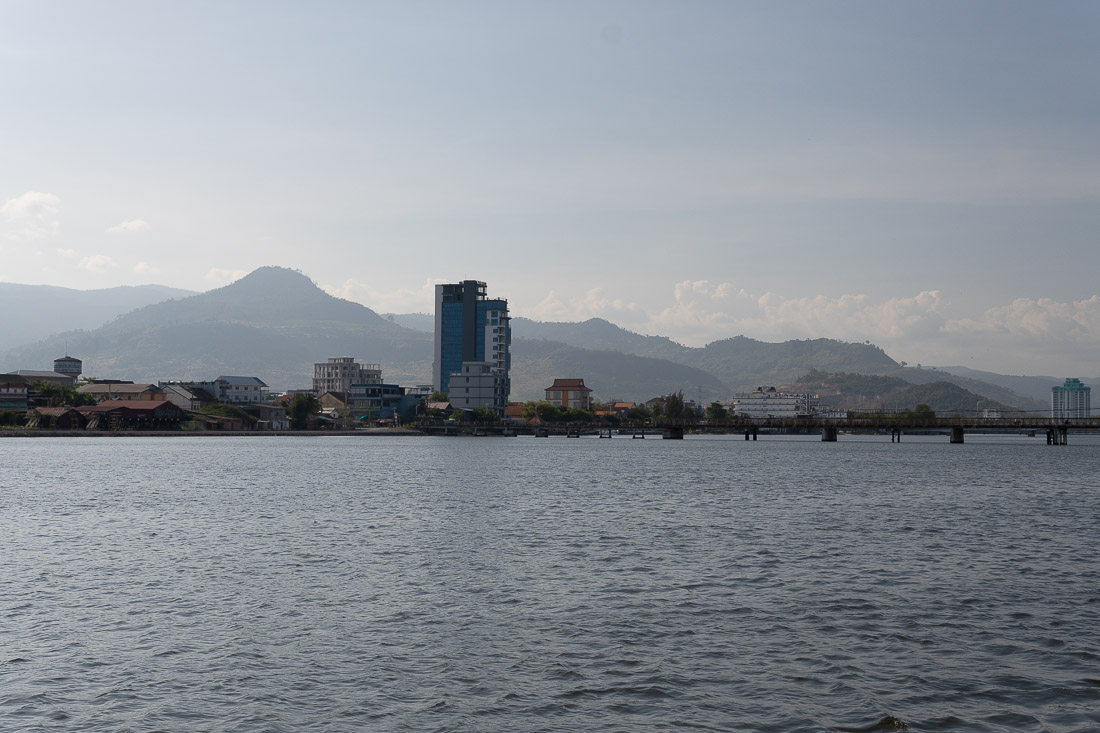
Right in the center of town, this small sandy beach looks straight out onto the Tuek Chhu River. In the late afternoon, it fills up with locals who come to watch the sunset or grab a snack from one of the many street vendors on Kampot Beach. After dark, it’s also the perfect spot to see the town in a new light, lit up by countless neon signs.
4. Visit a pepper farm
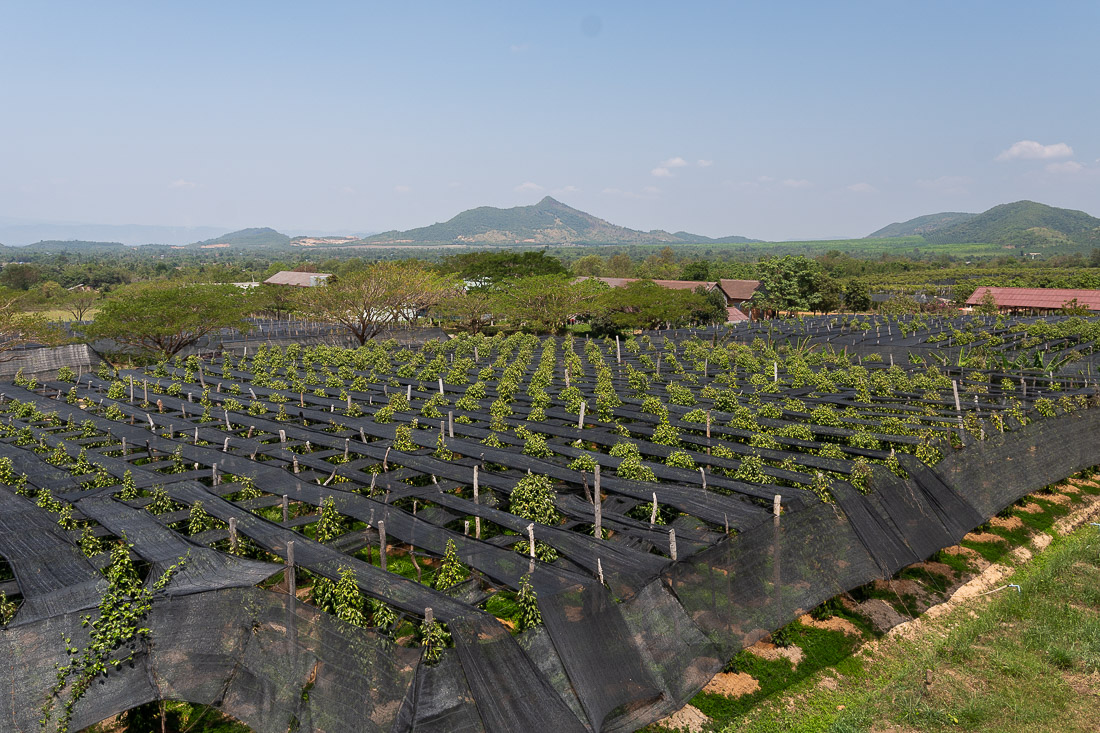
Known around the world, Kampot pepper is one of the finest peppers on the planet and is exported to top restaurants everywhere. In Kampot, you’ll find it on every restaurant menu, sometimes even in your ice cream.
But to learn more, the best thing to do is visit a pepper farm. We visited La Plantation, founded by a French-Belgian couple. It covers more than 20 hectares (about 50 acres) dedicated to growing Kampot pepper. La Plantation aims to showcase local heritage while working to improve conditions for its employees (better wages, health insurance, on-site housing, free English classes for the children, etc.).
The guided tour is free, as long as you book your time slot in advance on their website (tours are available in English). You walk through the farm, learn all about the different stages of growing and harvesting pepper, and finish with a tasting. Black pepper, red pepper, green pepper, fresh pepper: you get to try them all!
Of course, the tour ended with a stop at the shop, where we picked up souvenirs for the whole family! We really enjoyed this visit: we knew nothing about pepper, and now we can impress everyone at dinner parties.
There’s also a lovely café, the Spice Bar, overlooking the whole farm. La Plantation also offers paid options, such as a private tour of the factory or Khmer cooking classes.
Practical information:
💶 Price: Free (with paid tour options)
🕘 Opening hours: Every day, 9 a.m. to 5 p.m.
⏳ Visit duration: 1 hour
🛺 Getting there: La Plantation is about a 30-minute drive from Kampot. A little further east, you’ll find Sothy’s Pepper Farm, another farm that also offers free tours.


5. Secret Lake
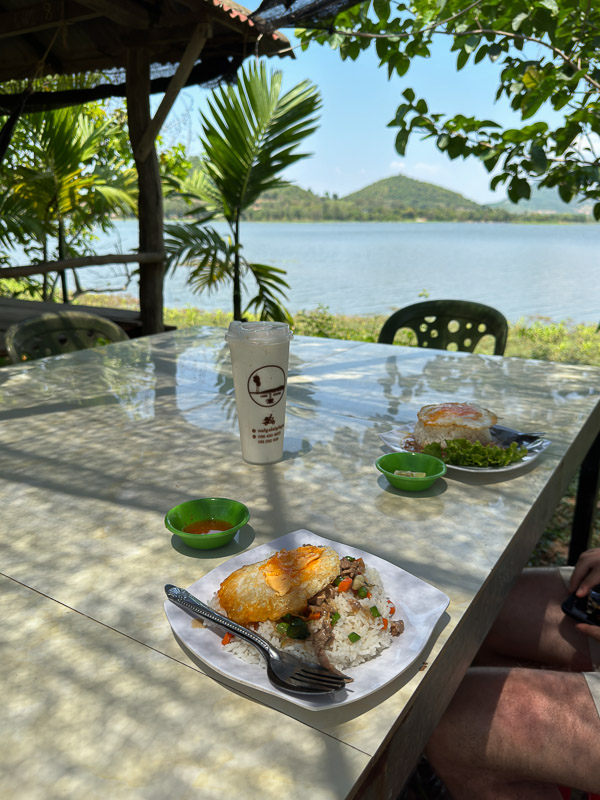
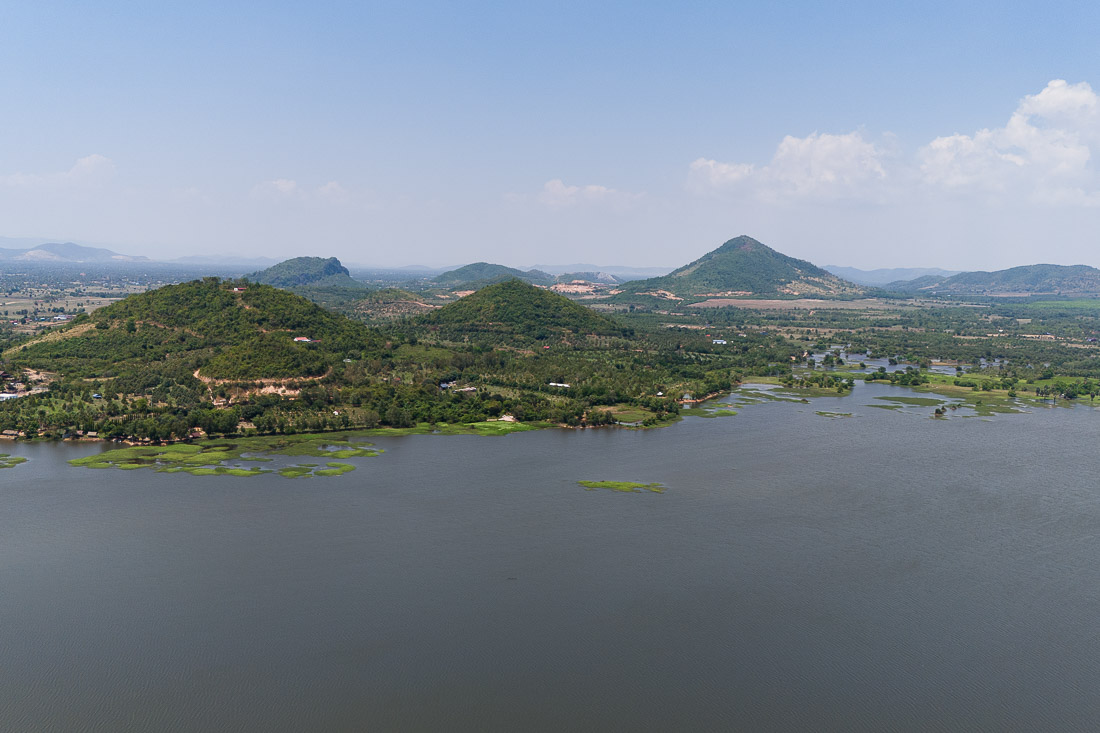
Next to the pepper farms is Brateak Krola lake, also nicknamed Secret Lake. Surrounded by mountains, this impressive stretch of water offers lovely views.
You can go kayaking on the lake, but we preferred to enjoy a nice meal at Lake Restaurant. For less than $10, we had a tasty local curry and a coconut smoothie, sitting in the shade by the water and watching the fishermen at work on the lake. Perfect for a refreshing lunch break!


6. Phnom Chhngok
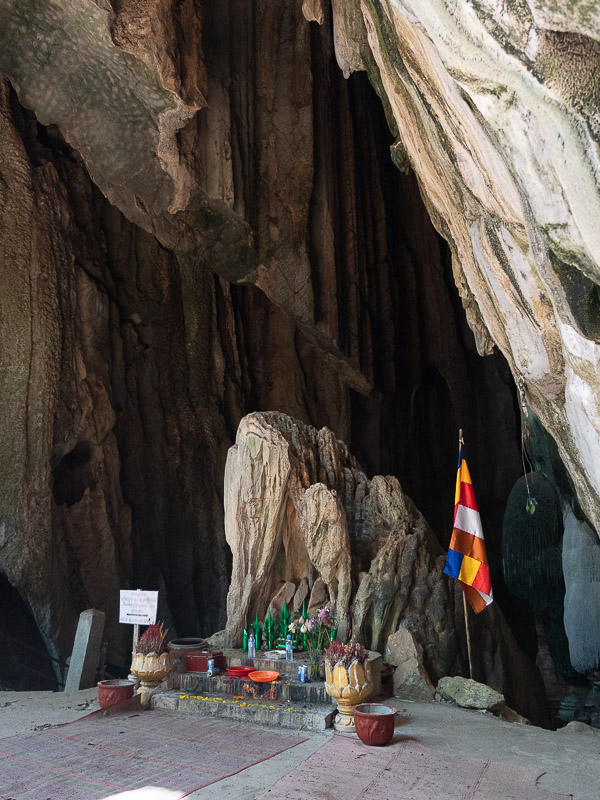
Phnom Chhngok (or Phnom Chhnork) is a Hindu temple hidden deep inside a cave on a mountainside. Located northwest of Secret Lake, 20 minutes from Kampot, it isn’t a must-see, but it makes for a nice little visit after the pepper farms.
After climbing about 200 steep steps (with a beautiful view of the surrounding valley), you reach a huge cave. Inside, you’re greeted by an elephant-shaped stalactite. Behind it hides a small Hindu shrine dedicated to Shiva, dating back to the 7th century.
At the cave entrance, guides will offer you a tour for $5 per person. It lets you take a different way back, doing a bit of caving inside the cave. It’s up to you: we skipped it!
Practical information:
💶 Price: $1
🕘 Opening hours: Every day, 7 a.m. to 5 p.m.
⏳ Visit duration: 30 minutes

7. Kayak through the Green Cathedral
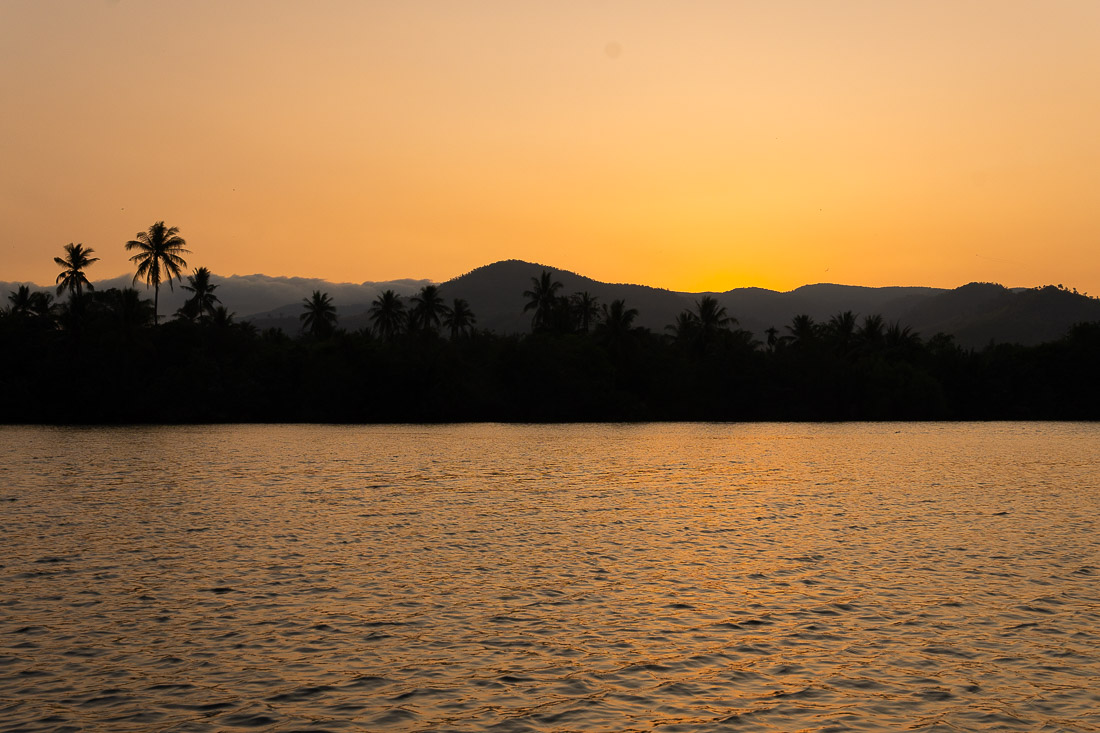
The Green Cathedral is a 3 km (1.9-mile) river branching off the Tuek Chhu, north of Kampot. Its name comes from the lush vegetation, mostly palm trees, that arches over the water, at times making it look like the nave of a cathedral.
The Green Cathedral is best explored by kayak. We rented ours here, for $8 for 2 people.The loop takes 1 hour and isn’t very difficult. We went in the afternoon, had beautiful light and passed very few people on the water: it was perfect!


8. Wat Trauey Kaoh
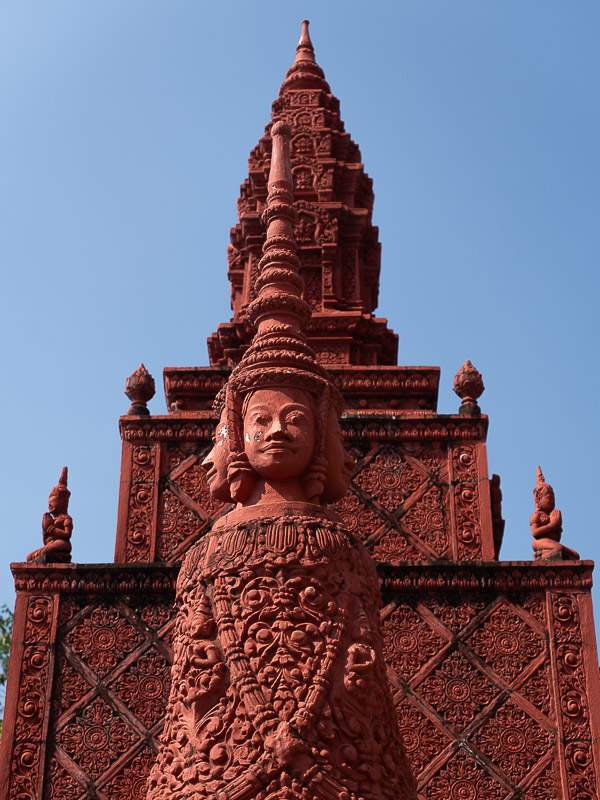
Wat Trauey Kaoh is a pagoda at the northern tip of Trauey Kaoh, a sort of island attached to Kampot, home to rice paddies and salt fields.
It’s a very pretty pagoda, with many temples and stupas. Highlights include a large reclining Buddha and beautiful traditional pirogues. This Buddhist temple has a peaceful atmosphere and gave us a lovely moment of calm in Kampot.


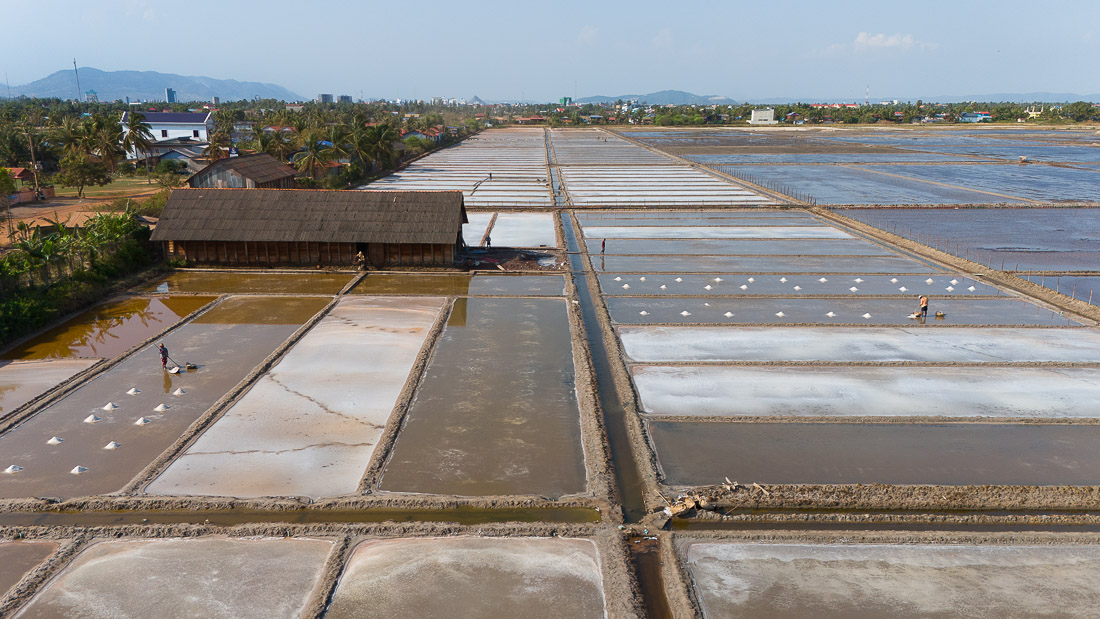
9. Salt fields
Nearly half of Trauey Kaoh island is covered in large, colorful salt fields, whose salt goes perfectly with Kampot pepper. If you go in the late afternoon, between 4 and 6 p.m., you can watch the workers harvest the salt and store it in the huts lining the main road.
And if you’re lucky, you might even spot some water buffaloes cooling off in the salt fields!


10. Bokor Hill Station
Located 40 km (25 miles) from Kampot, Bokor Mountain is a beautiful natural site with a rich history. In the 1920s, when the country was still a French protectorate, the French built a hill station on the summit of Bokor Mountain, with a hotel, a casino and a church, among other things.
But the hill station was abandoned in the late 1940s after the First Indochina War, before becoming a strategic military base during the Vietnam War and the Khmer Rouge regime.
Today, the ruins of these buildings draw plenty of curious visitors, even though the mountain is undergoing a major transformation due to large Chinese real estate investments. The road to the summit (about 1 hour from Kampot) is a real pleasure! You ride along mountain roads in very good condition, full of cheeky little monkeys. The summit is often covered in clouds, which gives the place a mysterious atmosphere.
What to see on Bokor Mountain
- Bokor Palace: This is where wealthy French colonists came to escape the Cambodian heat. The Palace stood abandoned for many years and recently reopened, but the weathered look of the exterior was kept. There’s a beautiful view of the valley and the Gulf of Thailand behind the hotel.
- The abandoned Sovann Sakor church: Another relic of the colonial era, this church was also one of the last Khmer Rouge strongholds until 1993.
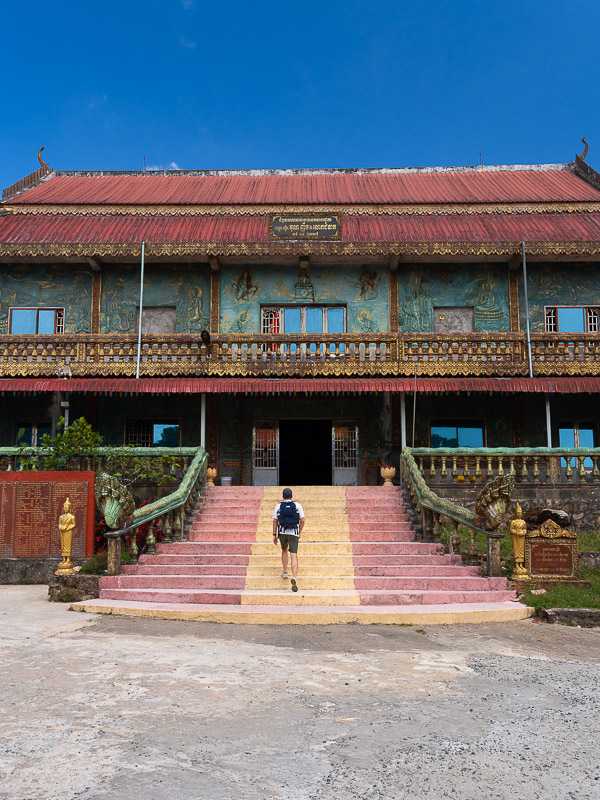
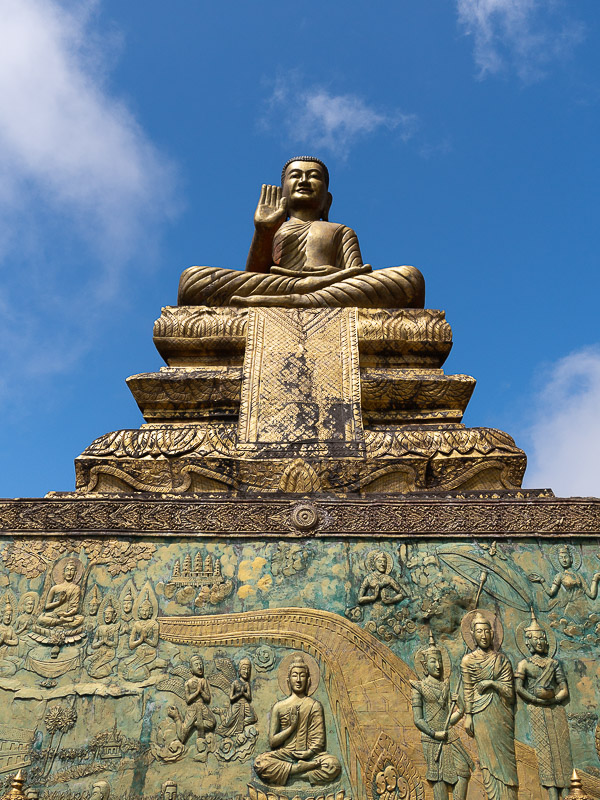
- Five Boats Temple: The only building from the 1920s still in use, Sampov Pram pagoda is full of charm and offers lovely views of the area.
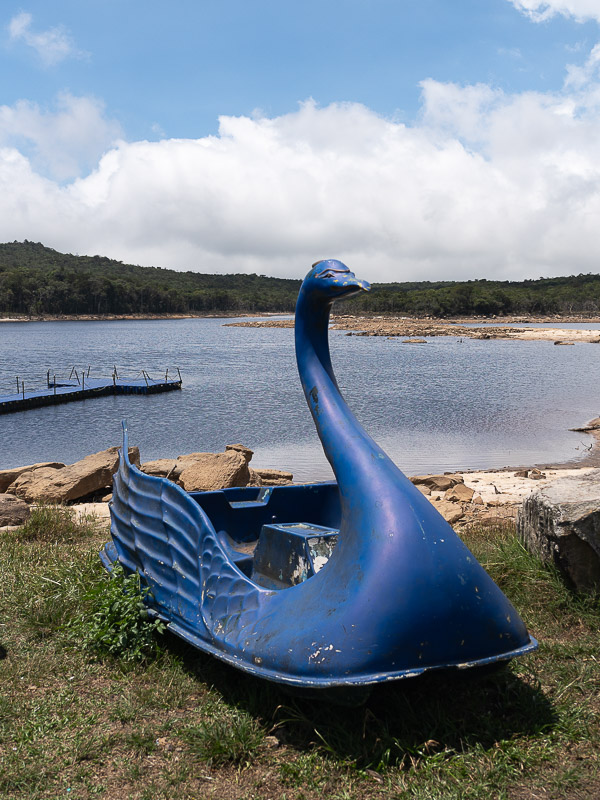
- Bokor Lake: On the shores of this lake, you’ll find relics of the colonial era, like some sad abandoned swan pedal boats.
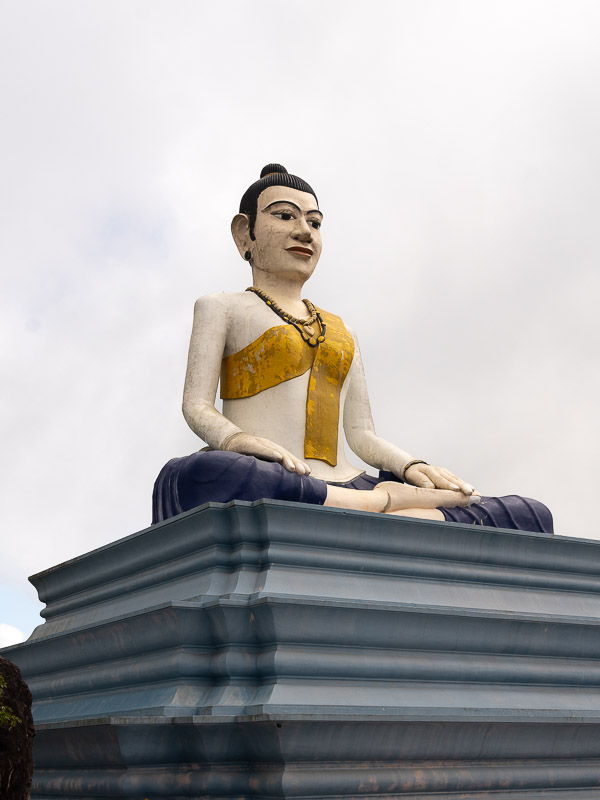
- Lok Yeay Mao Monument: This huge statue depicts Lok Yeay Mao, the guardian goddess of Kampot. Perched at over 1,000 m (3,300 ft), she keeps an eye on the whole region. Below the statue are the ruins of a former royal residence.
- Popokvil Waterfall: A very popular waterfall, 16 meters (52 ft) high.



11. Take a day trip to Kep
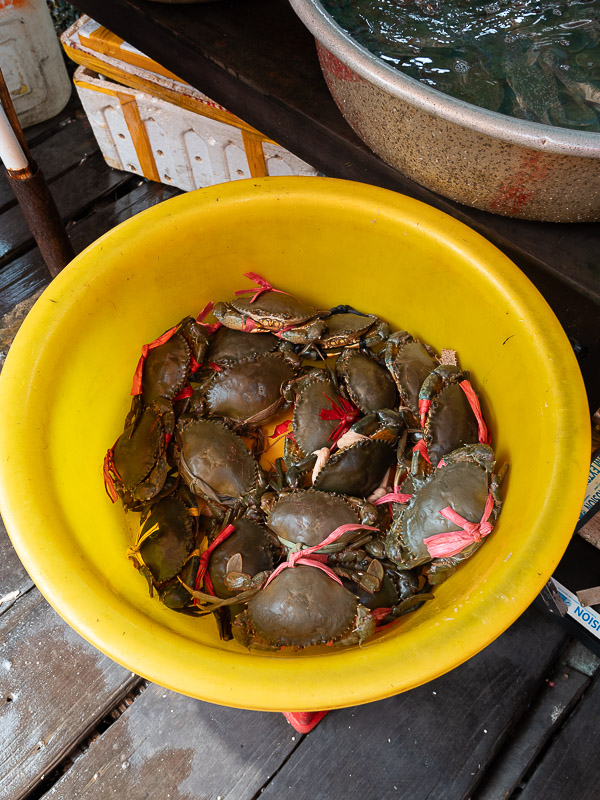
Kep is a seaside resort a 30-minute drive from Kampot. Once the star of the coast, nicknamed the “Saint-Tropez of Cambodia” by French colonists, Kep is now best known for its seafood, especially its blue crab.
Some travelers prefer to spend at least one night there to have time to enjoy the beaches. We did it as a day trip, and that was plenty for us! Here’s what we did:
Crab Market
This huge covered market, dedicated to seafood and crab, is Kep’s must-see. Wander through the narrow aisles to check out the stalls, and maybe leave with some fresh or cooked treats. Don’t miss the giant crab statue facing the beach either!
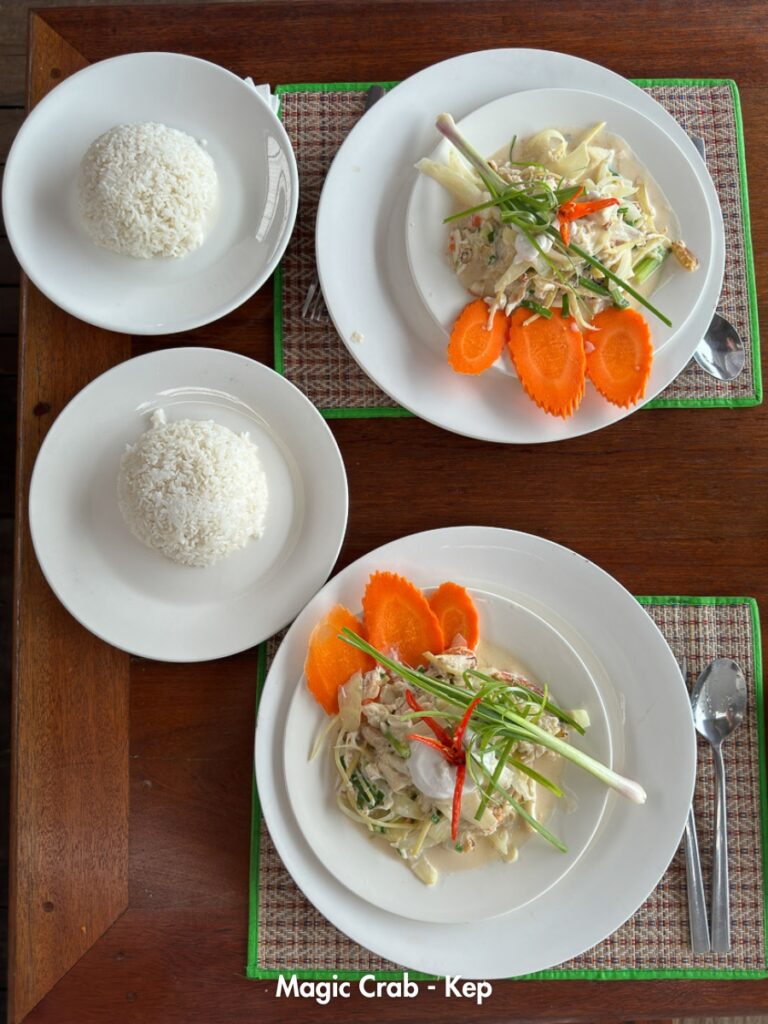
Next to the market, plenty of restaurants serve crab. We went to Magic Crab, a small place with a sea view. Not being the most skilled with crab claws, we ordered crab already prepared in coconut milk, plus crab spring rolls ($15 per person). Delicious!


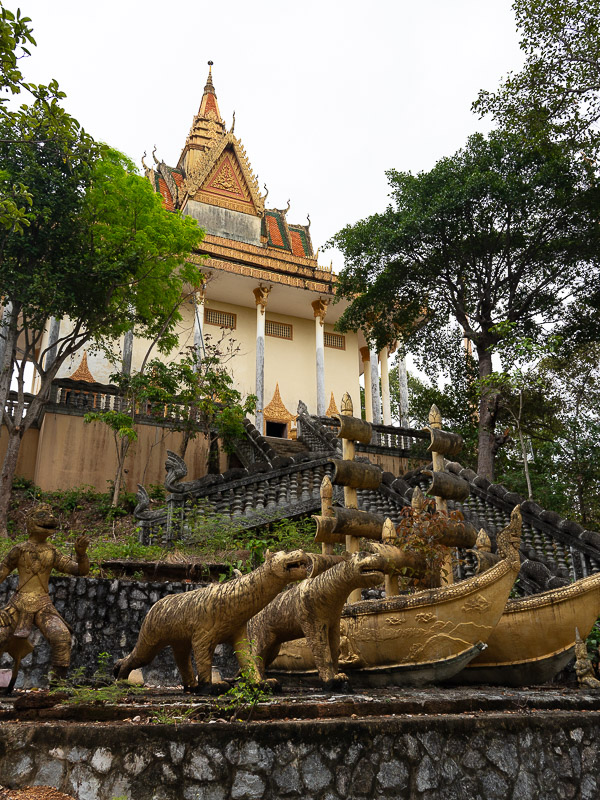
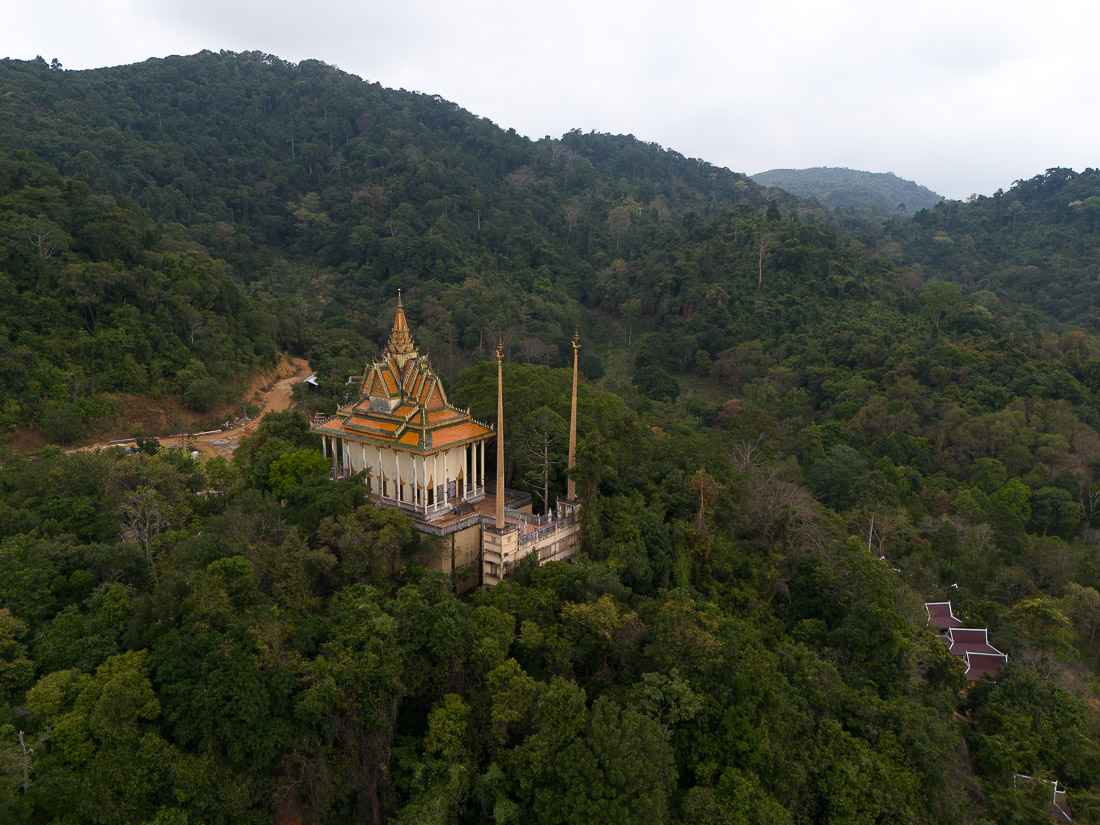
Wat Samathi Pagoda
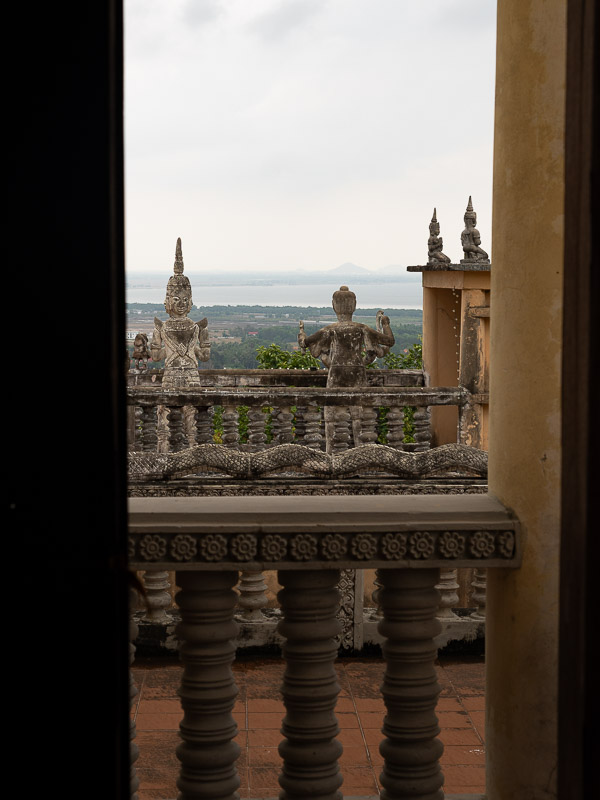
This beautiful pagoda sits high on the mountainside, rising above the forest. You can reach this Buddhist temple by a long staircase or by scooter along a small road.
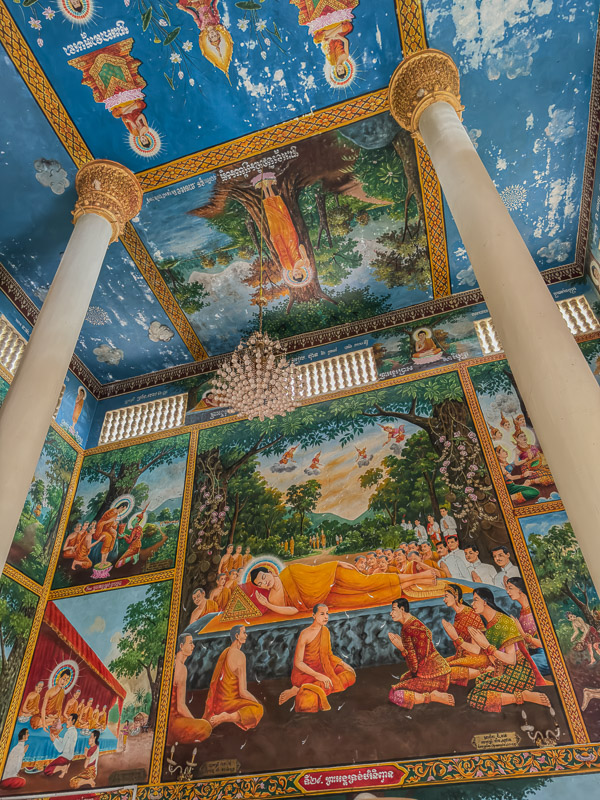
The inside is stunning, with paintings from floor to ceiling depicting scenes from the life of the Buddha. All around the temple, you’ll also find many statues of Hindu deities. Definitely one of the most beautiful pagodas we visited in Cambodia!
Kep National Park
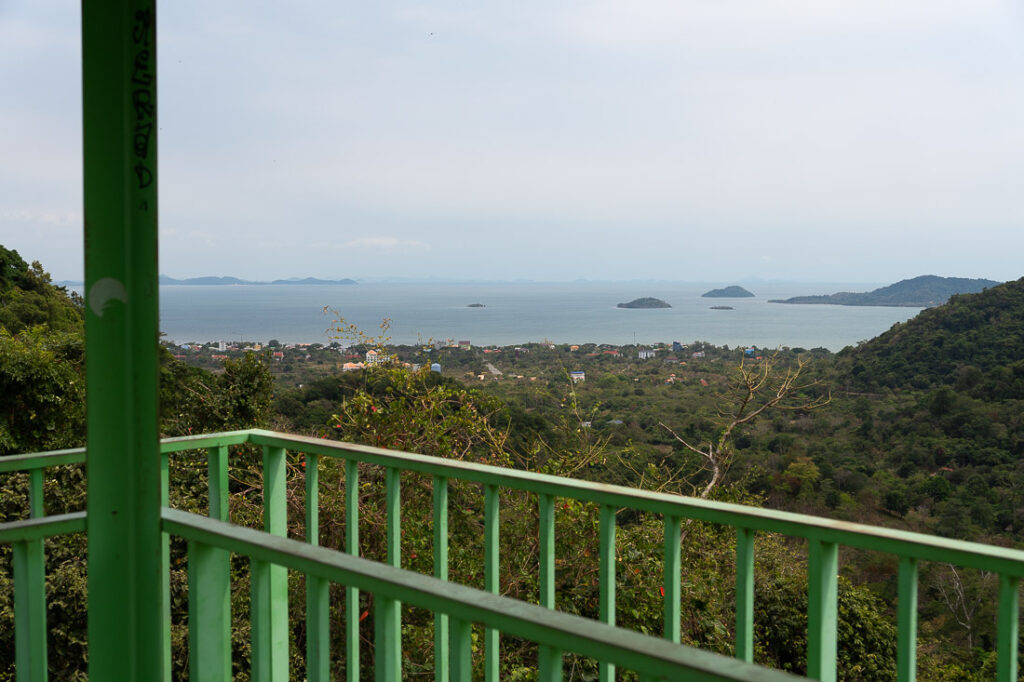
This large national park is a lovely green oasis. It has lots of hiking trails (though not always well marked) and a main road you can ride by scooter.
We loved exploring the park, especially the Landscape Tower, from the top of which you can see the Gulf of Thailand on both sides of Kep. Park entry is $1 per person.

Kep Butterfly Garden
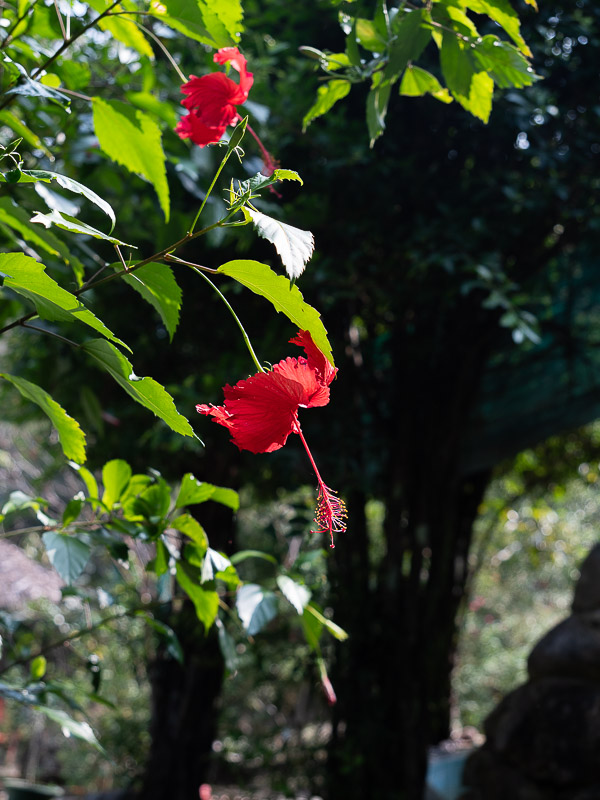
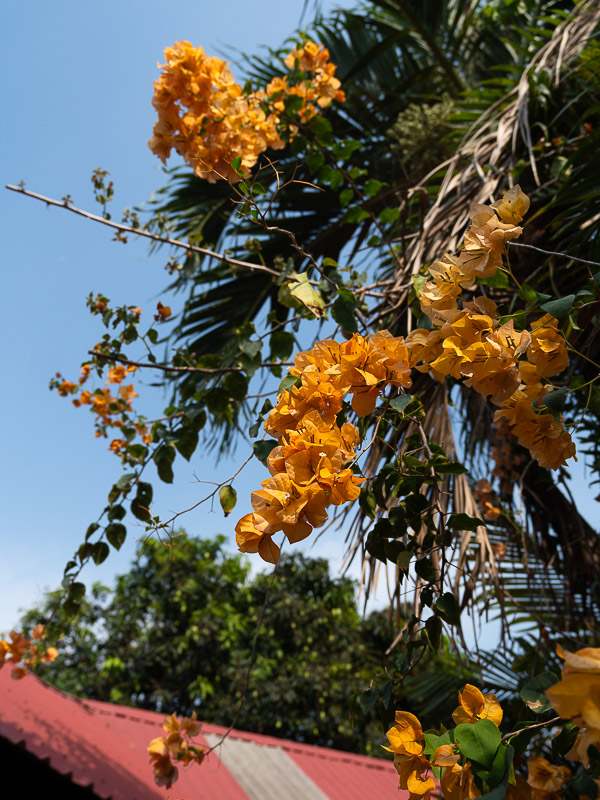
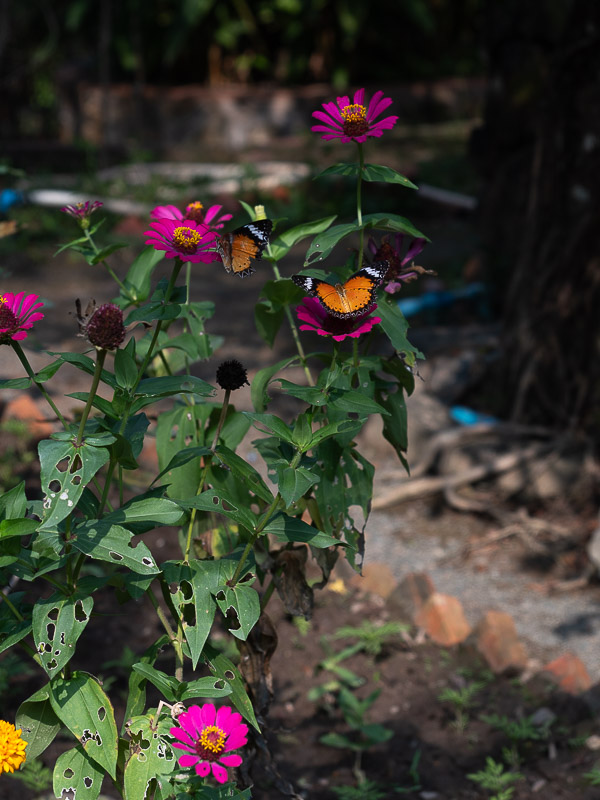
A cute little garden where you can see around ten species of butterflies (we were out of luck and only saw three different species during our visit). But the flower garden is pretty, so it’s still worth it! Entry to the greenhouse is $1 per person.
Go swimming on Rabbit Island
Rabbit Island (or Koh Tonsay) is an island off the coast of Kep, a 30-minute boat ride away. We didn’t have time to go, but it looks really beautiful: the perfect trip for lovers of white sand and turquoise water!
Where to stay in Kampot
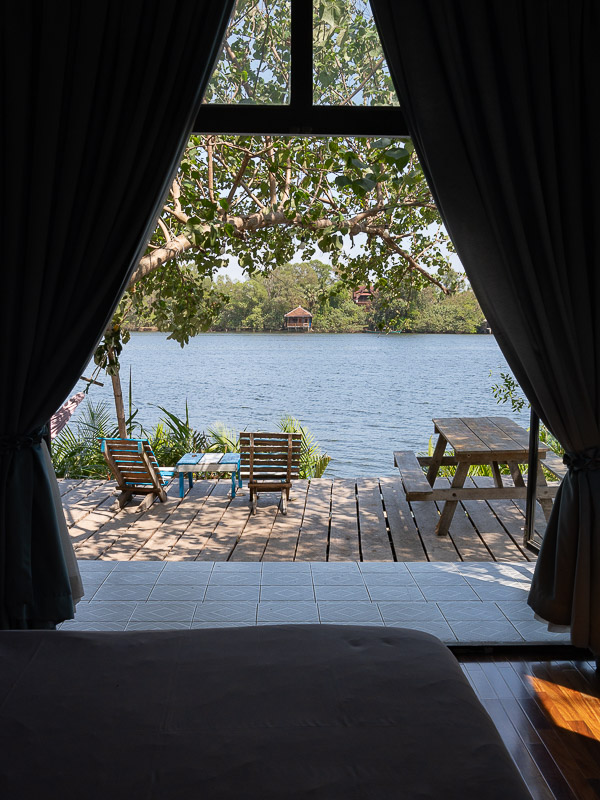
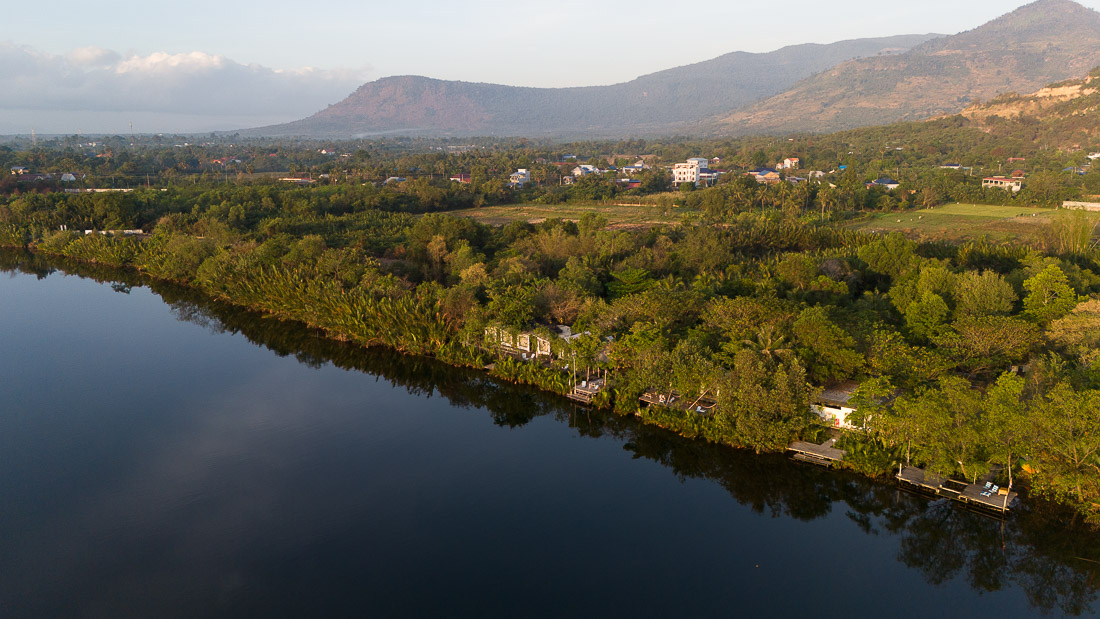
You’ll find plenty of places to stay in downtown Kampot, from upscale hotels to hostels. But we chose to stay a little outside the center, at a hotel on the banks of the Tuek Chhu River.
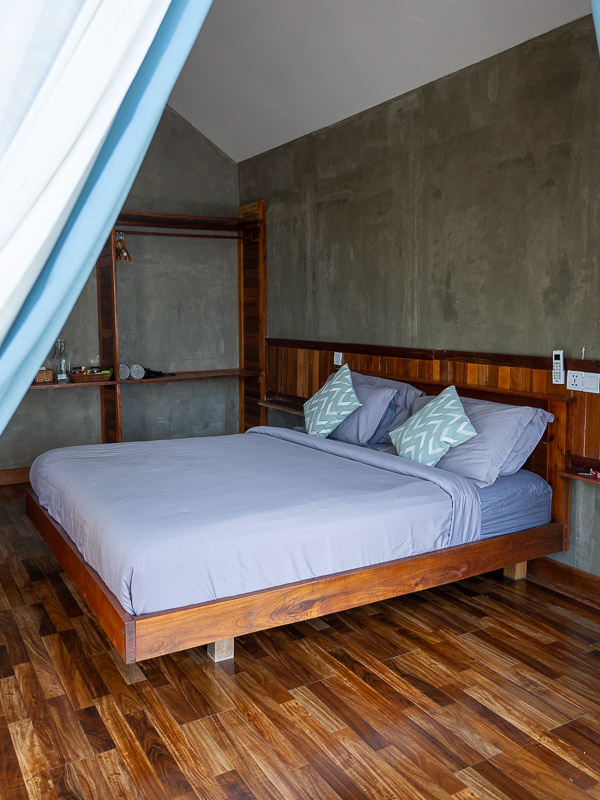
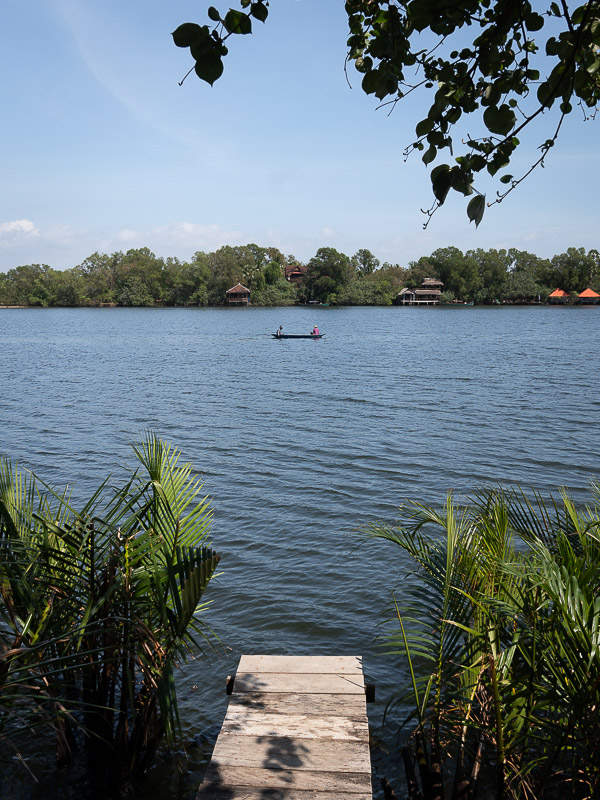
We spent 4 nights at the Kampot Riverfront Boutique Hotel, right on the west bank of the Tuek Chhu. Made up of several little bungalows, the hotel has a beautiful setting, with a direct view of the river from our bed: perfect for sunrises!
You can also borrow kayaks for free or swim right from the terrace. The manager is very attentive and happy to give lots of tips to help you plan your stay in Kampot. We were also able to rent our scooter directly from them to explore the area. In short, we highly recommend this place, one of our favorites (watch the video here)!
🏝️ Book your riverfront bungalow ➜


Where to eat in Kampot
Kampot has lots of great places to eat! Simply put, we didn’t have a single bad experience. Here are the places we tried and can recommend:
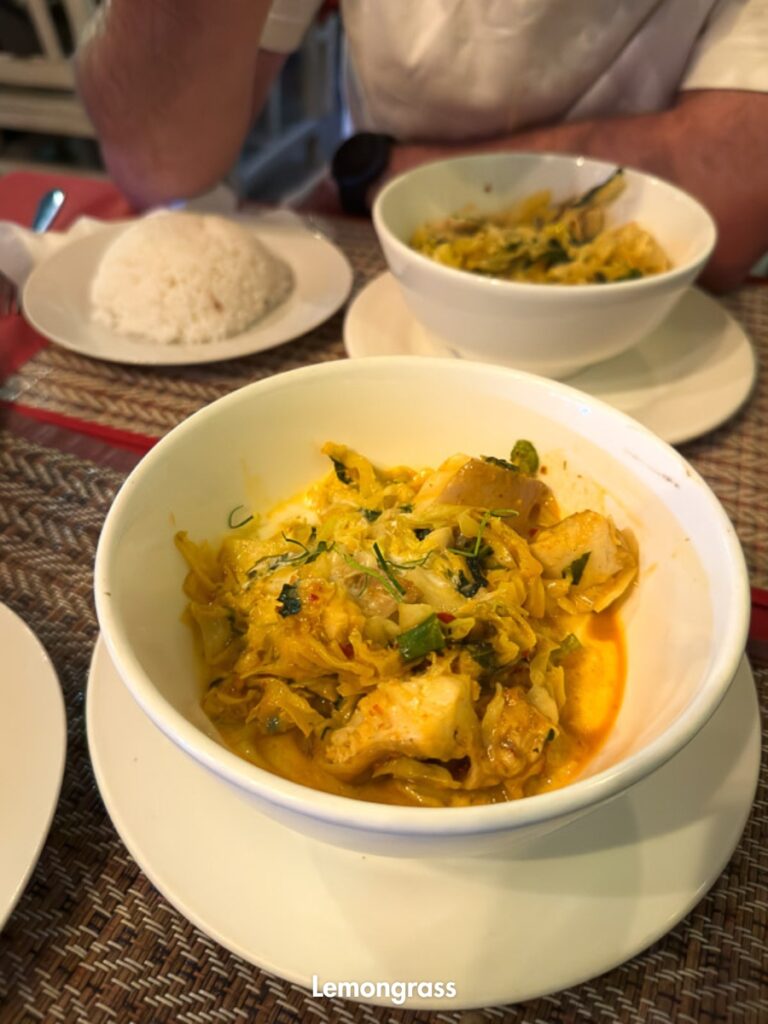
- Lemongrass: A great place for traditional food, and the fish amok is delicious. But what we’ll remember most are the spring rolls, the best we’ve ever had in Cambodia (maybe even in our lives)!
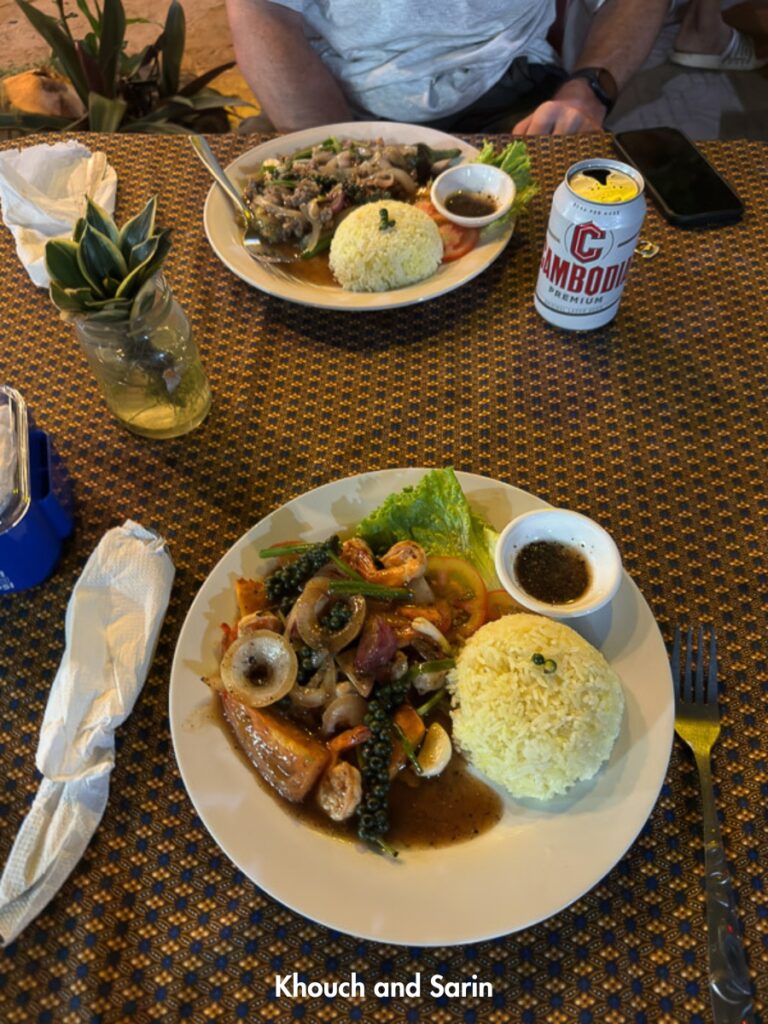
- Khouch and Sarin Restaurant: Next to the old market, you’ll find a street food market with several stalls serving traditional food. We tried this stall, run by a Frenchman, serving tasty local dishes with bunches of fresh Kampot green pepper. Delicious!
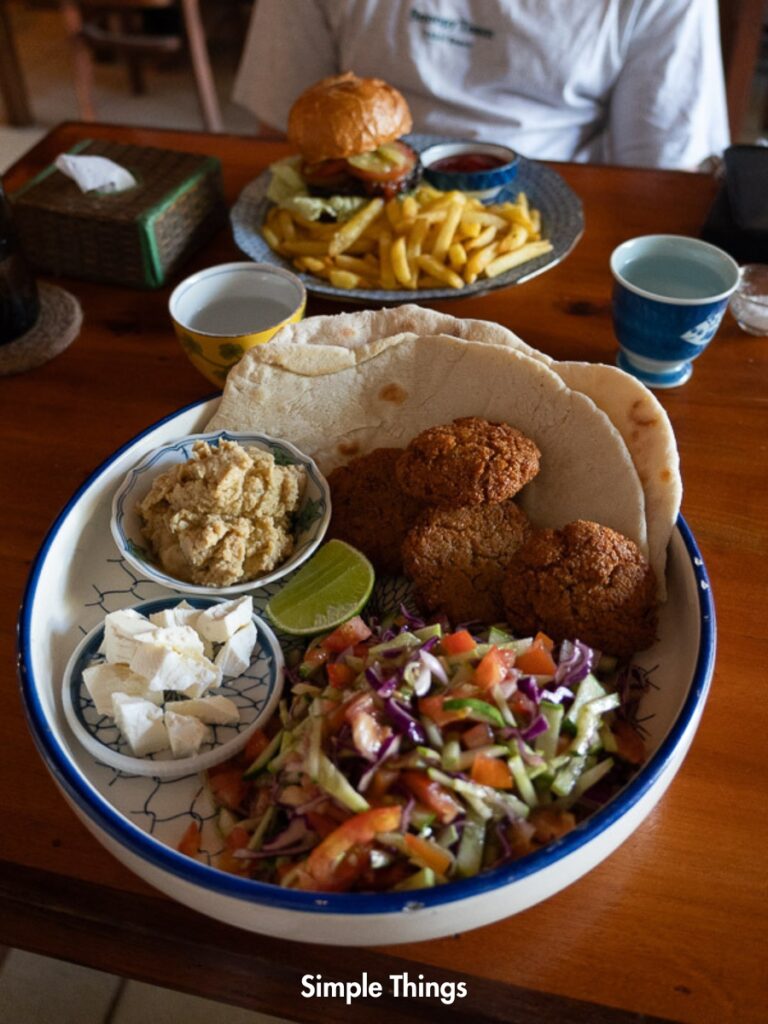
- Simple Things: We loved this café. A great vegetarian spot for brunch-style food.
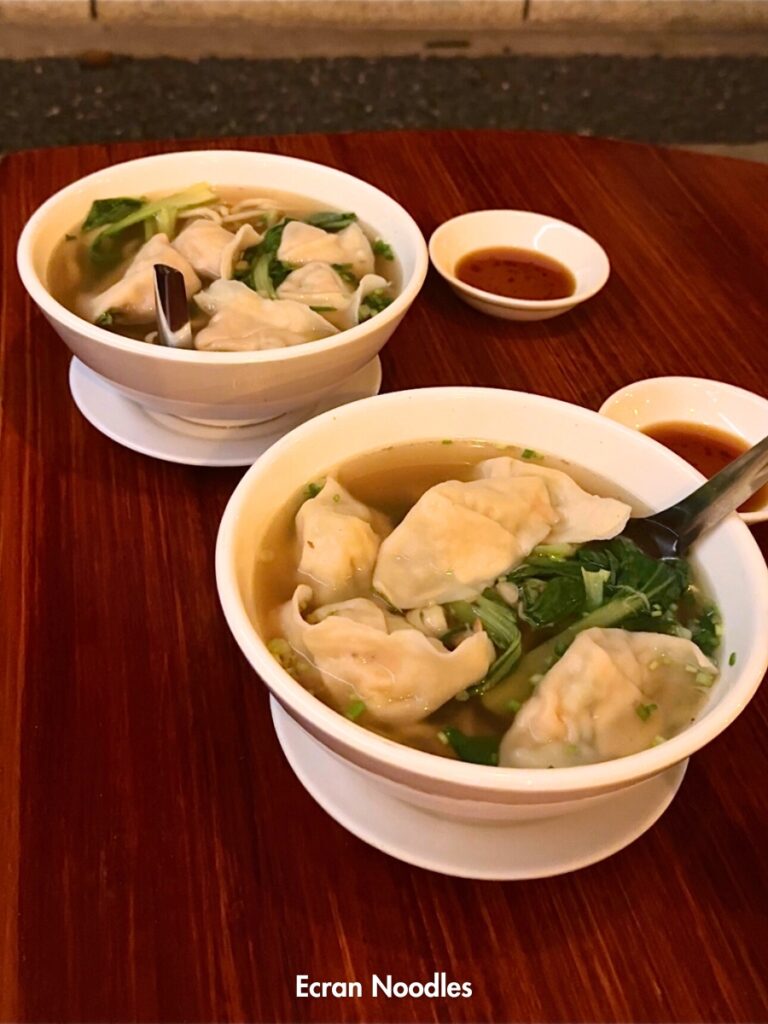
- Ecran Noodles: A popular restaurant in Kampot known for its fresh noodles, served dry or in broth. Quick and tasty!
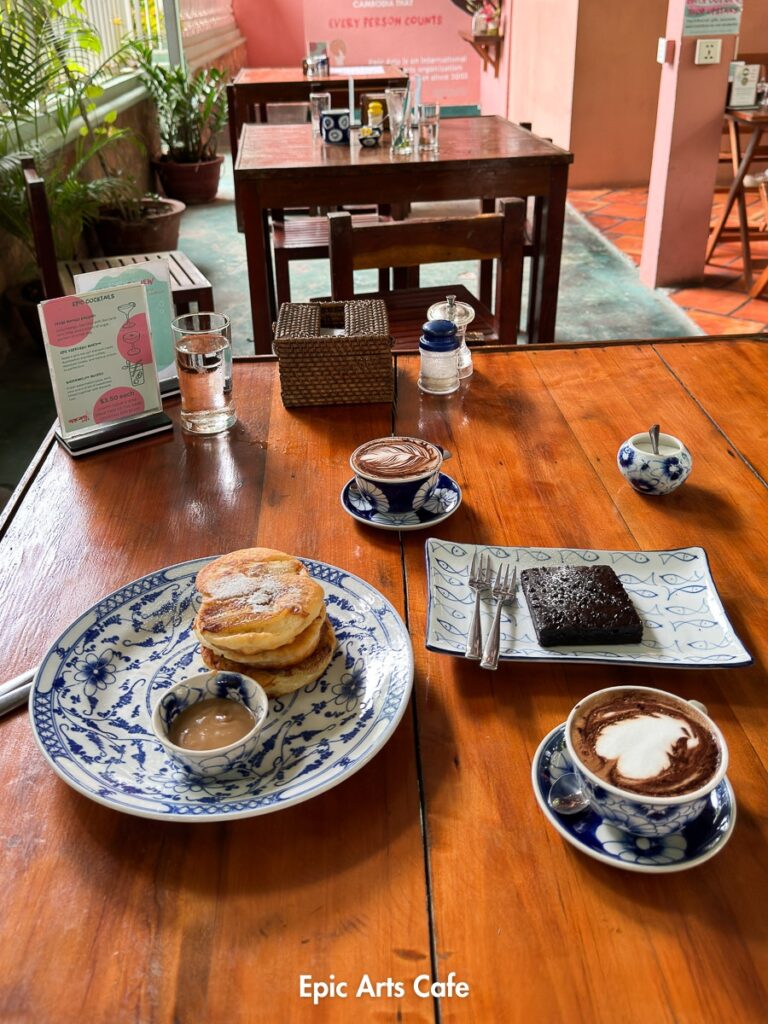
- Epic Arts Cafe: A good spot for breakfast, serving generous banana pancakes. Part of the café’s profits go to a nonprofit that supports education and employment for people with disabilities in Cambodia.
- Kampot Pie & Ice Cream Palace: The perfect place to try a scoop of Kampot pepper ice cream! We were pretty skeptical at first, but it turned out to be really good and refreshing.
And for a drink? You’ll find lots of bars around the old market, but not all of them are worth it. For a cocktail-lounge vibe, head to J Break Cafe. And to catch live music from local bands, try Madi Bar.
How to get to Kampot
Kampot is fairly easy to reach by public transportation from Cambodia’s main cities:
- From Phnom Penh: 3.5 to 4 hours by bus for about $10
- From Siem Reap: 10 hours by bus (night buses available) for $20
- From Koh Rong: Take a ferry to Sihanoukville, then a bus to Kampot. That’s what we did, with Kampot Transports (3.5 hours in total for $24 per person). You can also take the new ferry that runs directly from Koh Rong to Kampot.
To plan your travel around Cambodia, the easiest option is to book your journeys on 12Go Asia a little in advance.
How to get around Kampot
As in most Cambodian towns, you’ll have two main ways to get around: tuk-tuks and scooter rental.
Downtown is easy to explore on foot, but as soon as you want to see the surrounding area, like Bokor or the pepper farms, you’ll need transportation.
You’ll easily find tuk-tuks in the streets of Kampot, or you can use the Grab app (handy for knowing the price of your ride in advance). Expect to pay about $15 for a round trip to La Plantation, $20 to explore Bokor Mountain or $15 to go to Kep.
But if you’re comfortable riding one, the easiest option is to rent a scooter. You’ll be completely free to go wherever you want. Expect to pay $8 to $12 per day. A full tank of gas costs about $2, so it’s very affordable! The roads around Kampot are very well maintained, and riding a scooter up to Bokor was a really great experience.
Another option, if you’d rather sit back and relax, is to book a small-group tour. There are lots of them in Kampot, for example:
- This tour takes you to La Plantation, Secret Lake, Phnom Chhngok and the salt fields.
- This one lets you explore Bokor Mountain and all its highlights (palace, temples, monuments) with a guide.
Best time to visit Kampot
The best time to visit is during the dry season, from November to March. Temperatures are pleasant (especially from December to February), with little rain. It’s also the perfect weather for exploring Bokor Mountain and the pepper farms.
How many days in Kampot?
We spent 4 days and 4 nights in Kampot, and for us it was the perfect amount of time! We were able to explore the town and the surrounding area from top to bottom without rushing. Here was our itinerary:
Day 1
Arrival from Koh Rong
Downtown Kampot
Samaki Market
Day 2
Bokor Mountain
Kayaking in the Green Cathedral
Day 3
La Plantation
Secret Lake
Phnom Chhngok
Wat Trauey Kaoh
Salt fields
Day 4
Kep Crab Market
Wat Samathi Pagoda
Kep National Park
Butterfly Garden
Is Kampot worth visiting? Our verdict
We arrived in Kampot with nothing but pepper on our minds, but we were won over by everything the town and its surroundings have to offer!
From the lush landscapes of Bokor Mountain and the Green Cathedral to immersing ourselves in local life at Samaki Market and the salt fields, not to mention moments of pure relaxation swimming in the Tuek Chhu River or unwinding at Secret Lake: we fell in love with Kampot during our trip to Cambodia.
To discover more of Cambodia, check out our other guides to Siem Reap, Phnom Penh and Koh Rong!
Some of the links in this article are affiliate links, which means we earn a small commission if you make a reservation through them. This doesn’t change the price for you, but it helps us continue to create content for our blog, which will always remain free. Thank you for your support 🫶