Siem Reap (pronounced “See-em Ree-ap”) is the gateway to the temples of Angkor, just a stone’s throw from the most beautiful temples in Cambodia (and in the world). But there’s so much more to the city than temples! Exploring Siem Reap’s museums and pagodas, discovering Khmer craftsmanship, wandering along Tonlé Sap lake or climbing to the top of Phnom Kulen: you’re unlikely to get bored in this lively city.
We spent 4 days in Siem Reap during our 2 weeks in Cambodia, and we wouldn’t have said no to a few more days, there’s so much to see in the city and the surrounding area.
So, what to do in Siem Reap? How should you plan your stay? Where should you stay and eat? We answer all these questions in this guide!
Our 4-day Siem Reap itinerary
With the 3-day Angkor pass, we spent the first three half-days in the Angkor Archaeological Park. Then, around 2 p.m., we headed back to town to enjoy the other activities and day trips. We really liked this rhythm: it let us do everything we had planned without overdosing on temples! It was also easier because we stayed in the center of Siem Reap.
Here’s how we split our time in Siem Reap:
- Day 1: Angkor Small Circuit, Lotus Silk Farm, Psar Chas & Night Market
- Day 2 : End of the Small Circuit and Angkor Grand Circuit, Angkor Botanical Garden, APOPO Center, Wat Bo pagoda, Angkor National Museum
- Day 3 : Sunrise at Angkor Wat, Artisans Angkor, Kampong Phluk floating village
- Day 4: Day trip to Phnom Kulen National Park
What to do in Siem Reap
1. Visit the temples of Angkor
With more than 1,000 years of history and over 200 temples to explore, including Angkor Wat, the largest religious monument in the world, the temples of Angkor are most likely the reason you’re coming to Siem Reap.
It’s a huge site, steeped in history, and you’ll need several days to really make the most of it. We opted for the 3-day pass, at $62 per person, and chose to explore on our own, with our guidebook and a rented scooter.
To structure our visit, we followed the two classic circuits: the Small Circuit on day 1 and the Grand Circuit on day 2 (and to avoid the crowds and big tour groups, we did both loops in reverse). Finally, on our third day, we watched the unmissable sunrise over Angkor Wat.
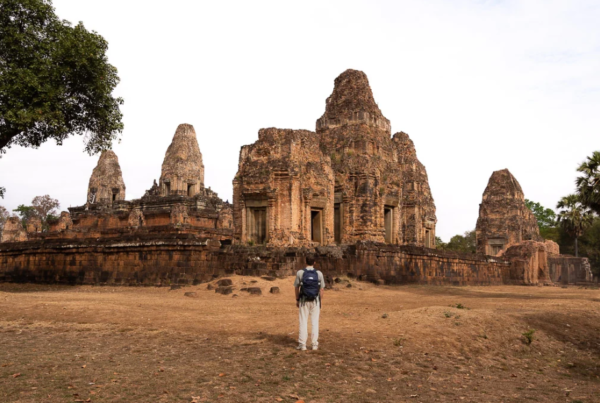
It’s an intense visit, and we absolutely loved it. Discovering these grand ruined temples, lost in the jungle where nature has reclaimed its rights, left us with unforgettable memories. It’s hard to pick a favorite, but highlights include the huge pyramid of Ta Keo, the ruins hidden under the roots of Ta Prohm, the 216 carved faces of the Bayon, the impressive towers of Pre Rup and, of course, the magnificent Angkor Wat.
We describe our visit in detail and share all our tips to plan yours in our complete guide to the temples of Angkor!
Practical information:
💵 Price: $37 for 1 day / $62 for 3 days / $72 for 7 days
🕘 Opening hours: Daily from 7:30 a.m. to 5:30 p.m. Angkor Wat, Pre Rup and Phnom Bakheng open at 5 a.m. for sunrise, and Pre Rup and Phnom Bakheng close at 7 p.m. for sunset.


2. Angkor National Museum
If, like us, you didn’t hire a guide to visit the temples of Angkor, the Angkor National Museum is a great way to add some historical context to your stay in Siem Reap.
The visit begins with the impressive Gallery of 1,000 Buddhas (we didn’t count them, but we’ll take their word for it), featuring Buddhas in different styles, poses and materials. It’s followed by themed galleries on Khmer civilization, the kings of the Khmer Empire and the temples of Angkor.
We especially liked Gallery B, dedicated to religions and beliefs, which explains the gods and founding myths of Buddhism and Hinduism, such as the Churning of the Ocean of Milk. It helped us better understand the history and symbolism of all the sculptures and carvings we had seen in the temples. The stone and costume galleries also have some beautiful pieces.
Practical information:
💵 Price: $12. Audio guide available for $5. Otherwise, there are plenty of explanatory panels in English throughout the museum.
🕘 Opening hours: Daily from 8:30 a.m. to 6 p.m.
⏳Time needed : About 1.5 hours


3. Explore the floating villages of Tonlé Sap
South of Siem Reap lies Tonlé Sap, a huge lake (the largest in Southeast Asia) where several communities have settled, forming real floating villages. From Siem Reap, you can visit several of them, including:
- Chong Khneas: The closest to Siem Reap (a 30-minute drive) but also the most visited. Mixed reviews about how touristy it has become put us off visiting.
- Kampong Khleang : An hour’s drive away, it’s the largest floating village on Tonlé Sap and the least visited. A more authentic experience, but unfortunately a bit too far to fit into our schedule.
- Kampong Phluk: Closer than Kampong Khleang and less touristy than Chong Khneas, it’s the perfect compromise!
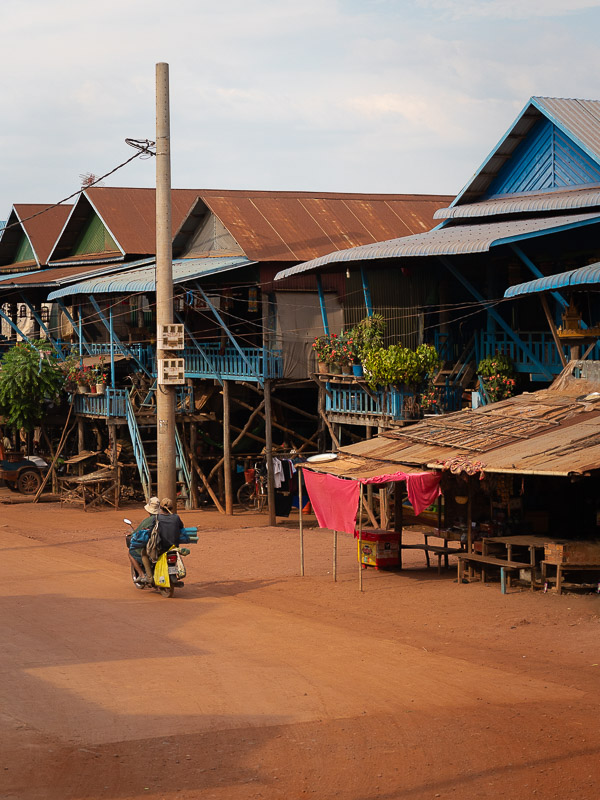
So we booked a half-day tour to Kampong Phluk with an English-speaking guide. After a 40-minute drive, we walked around the village and saw its school, its shops, its people and its colorful houses.
We visited during the dry season, so the village wasn’t in the water and we could see the houses standing on stilts. Our tour ended with a boat ride and a sunset over Tonlé Sap. During the rainy season, you can also take a canoe ride through the flooded mangrove forest.
A fascinating tour that showed us another side of Cambodia and its people. We would have loved to visit more villages like this one!



4. APOPO Visitor Center
The Vietnam War and the Khmer Rouge regime are still claiming victims in Cambodia, through the thousands of landmines scattered across the country in the late 20th century. Since 1979, 64,000 people have been killed or injured by landmines, which still cause dozens of casualties every year, mostly farmers and children.
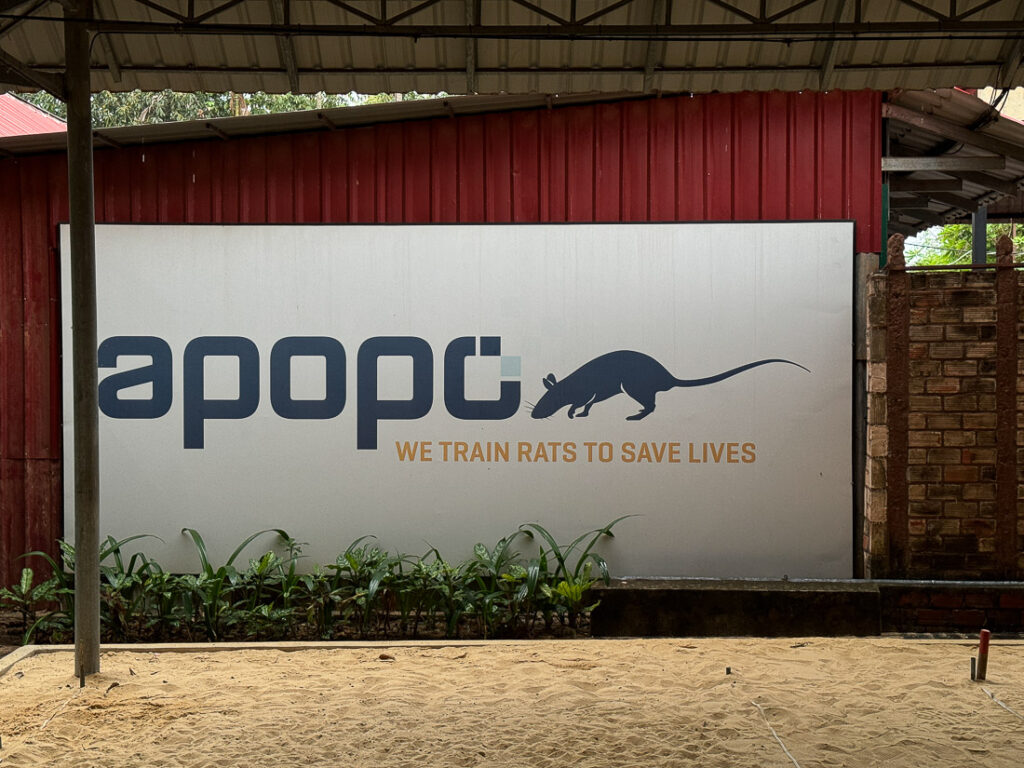
To tackle the problem, Cambodia can count on the rats of the APOPO Center, which are trained to sniff out the landmines still hidden in the country. The center trains around fifty African giant pouched rats from Tanzania in mine detection, and the results are impressive: a rat can search an area in 30 minutes that would take a human with a metal detector 4 days.
It’s a fascinating visit (in English), where you can watch a demonstration of the rats at work and learn more about the organization’s achievements. And if you feel like it, you can even hold one of the big rats at the end of the visit (and with a bit of luck, it’ll give you lots of little kisses).
Practical information:
💵 Price: $10. Booking in advance recommended.
🕘 Opening hours: Daily from 8:30 a.m. to 5 p.m.
⏳Time needed : 1 hour


5. Phnom Kulen National Park
Phnom Kulen is a large national park an hour from Siem Reap. Its name means “Mountain of Lychees,” and the site is historic, religious and natural all at once. It was here that King Jayavarman II proclaimed the Khmer Empire’s independence from Java in 802, marking the birth of Cambodia.
The park has several highlights:
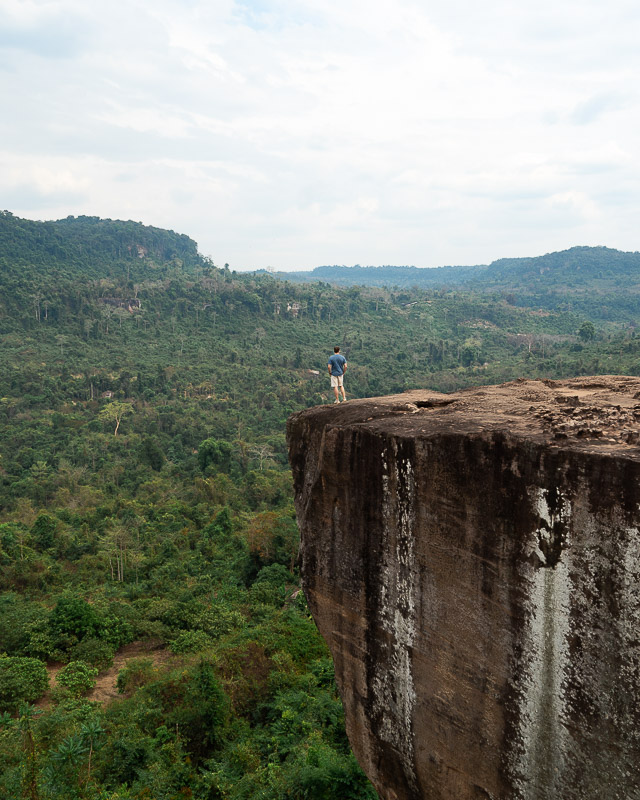
- Poeng Ta Kho (Amazing Cliff): an impressive cliff with superb views over the valley.
- The River of a Thousand Lingas: an amazing river whose bed is carved with countless squares representing lingas (the sacred symbol of Shiva), to bless the water flowing toward Angkor.
- Phnom Kulen Waterfall : a beautiful two-tier waterfall where you can swim and have a picnic (but it gets very crowded).
- The Reclining Buddha of Preah Ang Thom : a huge 26-foot (8-meter) Buddha statue carved directly into the rock. It’s an important pilgrimage site in Cambodia, reached by a beautiful staircase.
The park is also home to many ancient temple ruins. Unfortunately, the signs aren’t very clear, they’re only in Khmer, and we had no cell signal, so we couldn’t find them… For a complete visit, we recommend spending several days there with a guide.
Phnom Kulen is a nice day trip. In our opinion, it’s not a must-see, but if you want to get back to nature after several days of temples, it’s ideal!
Practical information:
💵 Price: $20 park entrance fee.
🛵 Getting there: About an hour’s drive from Siem Reap. Go in the morning: after noon, the road is one-way downhill only!



6. Lotus Silk Farm
The Lotus Silk Farm specializes in making fabric from lotus stems. Founded by a Frenchman, the company is eco-friendly and uses every part of the lotus (to make soap, vegan leather and tea, which you can taste for free before or after the tour). The staff is also entirely female, in an effort to help women build careers in Cambodia.
The guided tour (available in English and French) takes you through the different stages of fabric production, with the workshops in full swing. You can also take a boat ride to help pick lotus flowers, but unfortunately there wasn’t enough water during our visit. And if you’re interested in the topic, you can also visit the Angkor Silk Farm, dedicated to silk production.
Practical information:
💵 Price: $5, or $15 with the boat ride. Booking in advance recommended.
🕘 Opening hours: Daily from 8 a.m. to 6 p.m.
⏳Time needed : 1 hour


7. Wat Bo pagoda
How about a break from Angkor’s ruined temples to visit a modern, still-active temple? Wat Bo is a large 18th-century pagoda with a monastery, several temples and many paintings and statues.
You’ll probably also see lots of monks (who were sharing their lunch when we visited). Right in the city center, this Buddhist temple is a lovely escape from the hustle and bustle of the city and the crowds of travelers!


8. Go shopping at Psar Chas and the Night Market
On either side of the Siem Reap River, these two markets are the perfect place to pick up souvenirs from your trip to Cambodia.
The Old Market (Psar Chas) is housed in a huge covered hall that we loved wandering around. In the middle, there’s a food section with pretty stalls of colorful fruit and vegetables. Watch out for the Kampot pepper stalls, as the pepper doesn’t always come from Kampot! Psar Chas is open daily from 7 a.m. to 6 p.m.
The more modern Night Market comes alive from 5 p.m. to 10 p.m., mostly with souvenir shops. We weren’t as keen on the market itself, but the atmosphere around it is worth seeing! There are lots of street food stalls, popular with tourists and locals alike: it’s the perfect spot for an evening by the river (as long as you have good mosquito repellent).


9. Artisans Angkor
Artisans Angkor is a school that aims to promote and preserve Khmer craftsmanship. At its workshop and store, you can visit the different workshops and watch artisans at work. Weaving looms, wood and stone carving, lacquer painting: we loved watching these artisans create beautiful pieces right before our eyes. The store sells lots of high-quality souvenirs (and, of course, they’re a bit more expensive).
Practical information:
💵 Price: Free
🕘 Opening hours: Daily from 7:30 a.m. to 6 p.m.
⏳ Time needed : 30 minutes to 1 hour


10. Angkor Botanical Garden
This pretty botanical garden, south of Angkor, offers a peaceful break after a morning of scrambling around the temples. Divided into several sections dedicated to orchids, ornamental plants, spices and palm trees, it’s a really pleasant little visit! The garden also has a very good restaurant where we enjoyed a delicious fish amok served in a coconut and some great smoothies.
Practical information:
💵 Price: Free (as long as you follow the garden’s Instagram account!). Parking: $0.50
🕘 Opening hours: Daily except Tuesdays, from 8 a.m. to 6 p.m.
⏳ Time needed : 1 hour


11. Go out on Pub Street
First you hear it, then you see it. Pub Street is Siem Reap’s party street, with lots of bars competing for the loudest sound system. It inevitably gets very busy once night falls, with plenty of places serving cheap Angkor Beer.
Just a stone’s throw from Pub Street is the prettiest bar we saw in Siem Reap: Asana Old Wooden House. This cocktail bar is quite unique. At the end of a discreet alley, you come across a large wooden house on stilts dating from the 1960s. It’s the last traditional house in the Old Market neighborhood, now turned into a charming bar.

More things to do in Siem Reap
Four days go by too fast, especially when you have to fit in the temples of Angkor! For some inspiration, here are the activities and visits we would have loved to add to our stay if we’d had more time.
1. Phare, The Cambodian Circus
Every evening, Phare, The Cambodian Circus puts on circus, dance, theater and music shows, often compared to Cirque du Soleil. It’s also a social enterprise that creates opportunities for young Cambodians through the arts (and no animals are used in the show). Tickets start at $18 and can be booked on their website.
2. Watch an Apsara dance show
Apsara dance is a traditional dance dating back to 7th-century Cambodia. You can actually see carvings of apsara dancers in many of the temples of Angkor.
Many shows are held in Siem Reap so visitors can discover this dance and its ancestral costumes, often as a dinner show for around $30 all-inclusive. You can see one at the Apsara Theatre, or book a dinner show with hotel pickup on GetYourGuide.
3. Go bird-watching at Prek Toal
This bird sanctuary on the shores of Tonlé Sap is home to more than 150 bird species, mostly present from December to March. There’s also a large floating village. The easiest way to get there is to book a day trip from Siem Reap, like this one on GetYourGuide, or through the NGO Osmose Tonlé Sap.
4. Visit the more remote Angkor temples
The Angkor pass also gives access to many temples outside the main area north of Siem Reap.
South of the city, close to the Lotus Silk Farm, you can visit Phnom Krom, which offers a stunning sunset over the rice fields. To the northeast, near Phnom Kulen, is Banteay Srei, a magnificent and well-preserved temple with a waterfall nearby. There are also the Roluos temples and Beng Mealea.
5. Spend a day in Battambang
Battambang is a city west of Siem Reap that we would have loved to add to our itinerary if we’d had more time. It’s known for its colonial architecture and its bamboo train. Three hours from Siem Reap, you can visit its main sights on a group day trip.
6. Take a Khmer cooking class
How about learning to make a delicious fish amok or beef lok lak to impress your friends and family back home? There are plenty of opportunities to take a cooking class in Siem Reap.
Held in a restaurant or in a local family’s home, they usually start with a trip to the market to pick the ingredients, followed by a hands-on lesson and a group tasting. We had originally planned to take this class, which had excellent reviews, but we ran out of time and had to cancel…
Where to stay in Siem Reap
Siem Reap is a pleasant city with a lively, walkable downtown full of great places to eat and go out. We recommend staying in the center to make the most of it! As it’s a very touristy city, there are of course lots of hotels and hostels. However, avoid staying on or near Pub Street if you like to sleep.
We stayed at The Urban, and we absolutely loved this hotel! The staff wassuper friendly and really took care of us, always happy to give us advice or recommend places. The pool was a lifesaver after our days at the temples, the rooms were well equipped, and there was secure parking for our scooter at night. And the ultimate bonus: a cold water fountain to fill up our water bottles before heading out for the day!
Ideally located in Siem Reap, we can only recommend The Urban!
🌴 Book your stay in Siem Reap ➜


Where to eat in Siem Reap
There are lots of great places to eat in Siem Reap, whether you want good traditional food, a quick bite or a slightly fancier brunch. Here are our picks for traditional Khmer dishes:
- Along the Siem Reap River, near the Night Market: lots of street food stalls where you eat at plastic tables. We stopped at Street Foods by Champey for some delicious noodles. Perfect for a really cheap meal.
- Khmer Hidden Home Restaurant: In the “great neighborhood spot with traditional food” category, this is our favorite! We had a delicious vegetarian curry for $2.50 a plate.
- Khmer Taste Restaurant: A big restaurant with an equally big menu, where you can try all the classic Khmer dishes. Good, fast and very cheap (and they give you free peanuts).
- Sambo Khmer & Thai Restaurant: Another great spot behind the Night Market, which also serves delicious mango sticky rice.
- Spoons : A slightly more upscale restaurant serving local dishes with a modern twist, in a beautiful setting.
And if you want a change, with more Western dishes:
- Street Three Eatery: A large terrace serving brunch-style food. The pulled pork banh mi was simply huge and delicious, highly recommended!
- Sister Srey Cafe : A cute little café near the Old Market that also serves brunch-style dishes. Part of the profits goes to our friends the rats at the APOPO Center.
- WILD : A spot specializing in spring rolls, fresh or fried, with all kinds of different fillings. Reservations recommended!


How to get to Siem Reap
You can fly directly to Siem Reap, landing at Siem Reap Angkor International Airport (SAI), 50 minutes from downtown. We landed in Phnom Penh because flights were cheaper and took a minivan to Siem Reap (about 6 hours).
Otherwise, Siem Reap is well served by buses from the other major cities. It takes about 9 hours from Kampot, 10 hours from Sihanoukville and Koh Rong, or 3 hours from Battambang. The easiest way to book your bus tickets is on 12Go Asia.
How to get around Siem Reap and to the temples of Angkor
To get around Siem Reap or to reach the temples of Angkor, you have several options:
- Rent a scooter: the option we chose. We rented one from 20T4 Scooters Rental, right across from our hotel, for $10 a day, which gave us the freedom to get around easily. Gas is cheap ($2 for a full tank) and driving in Cambodia is fairly easy, as long as you keep an eye on other road users!
- Rent a bike: We saw lots of travelers exploring the temples by bike, which you can rent in town for $1 or $2 a day. It’s probably a great experience, but the heat quickly put us off. There are also several e-bike rental shops.
- Take a tuk-tuk : You’ll find them all over Siem Reap, or you can use the Grab app. You can take one for a single ride or agree with a driver to take you around the temples of Angkor for the day (about $20 a day depending on the circuit; confirm the price with your driver at the start of the day).
- Group tours over one or more days : Depending on how much time you have, you can also book a guided tour in advance to discover the main temples of Angkor.


Our thoughts on Siem Reap
We loved our stay in Siem Reap: it was a wonderful start to our trip to Cambodia. We obviously had high expectations for the temples of Angkor (and we weren’t disappointed, far from it), but we didn’t expect to find so many things to do in and around Siem Reap! So our advice: plan some extra time in Siem Reap to enjoy the city and the surrounding area beyond the temples.
To discover more of Cambodia, check out our other guides to Phnom Penh, Kampot and Koh Rong!
Some of the links in this article are affiliate links, which means we earn a small commission if you make a reservation through them. This doesn’t change the price for you, but it helps us continue to create content for our blog, which will always remain free. Thank you for your support 🫶