Planning 3 days in Krakow and want to see everything the city has to offer? Look no further, we have the perfect itinerary for you!
We spent a long weekend in Krakow in the summer, and the city won over the history lovers and wanderers that we are. With its medieval heart and huge Market Square, its charming Kazimierz district and its many historic sites nearby, Krakow is the perfect destination for 3 days of exploring.
So, what should you do with 3 days in Krakow? Where should you stay, where should you eat and how much should you budget? Let us show you around!
Our 3-day Krakow itinerary
Here’s a summary of our ideal Krakow itinerary to see the city’s must-sees, organized in a logical order to keep travel time to a minimum:
- Day 1: Wawel Hill (cathedral and castle) and the Old Town (Main Market Square, Collegium Maius, St. Mary’s Basilica)
- Day 2: Podgórze (Schindler’s Factory, Eagle Pharmacy), Kazimierz (Jewish Quarter, synagogues) and Kościuszko Mound
- Day 3: Wieliczka Salt Mine and the Auschwitz-Birkenau camps
To follow this itinerary, the best option is to stay in the city center or in Kazimierz, the Jewish Quarter. We went with the second option, in this lovely apartment, and it was perfect!
You’ll find all the places we visited on the map below:
Day 1: Wawel Hill and the Old Town
This first day is all about Krakow’s medieval heart, its monuments and its historic streets: the Old Town and Wawel Hill.
Wawel Hill
Overlooking the Vistula River on one side and the Old Town on the other, Wawel Hill is home to two of Krakow’s must-see landmarks: the cathedral and the castle. Plan on spending half a day here to see it all.
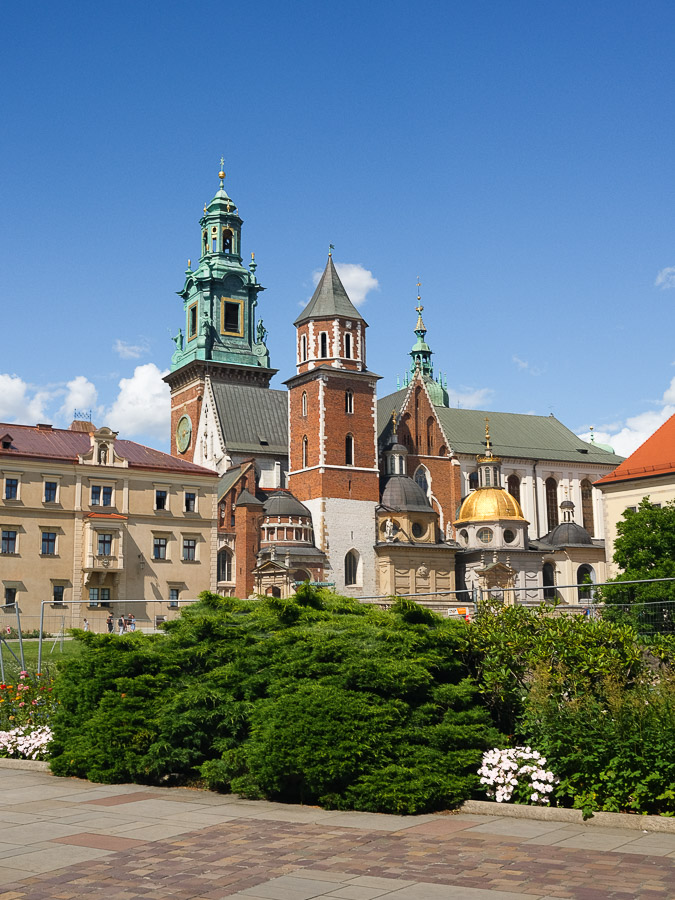
Wawel Cathedral
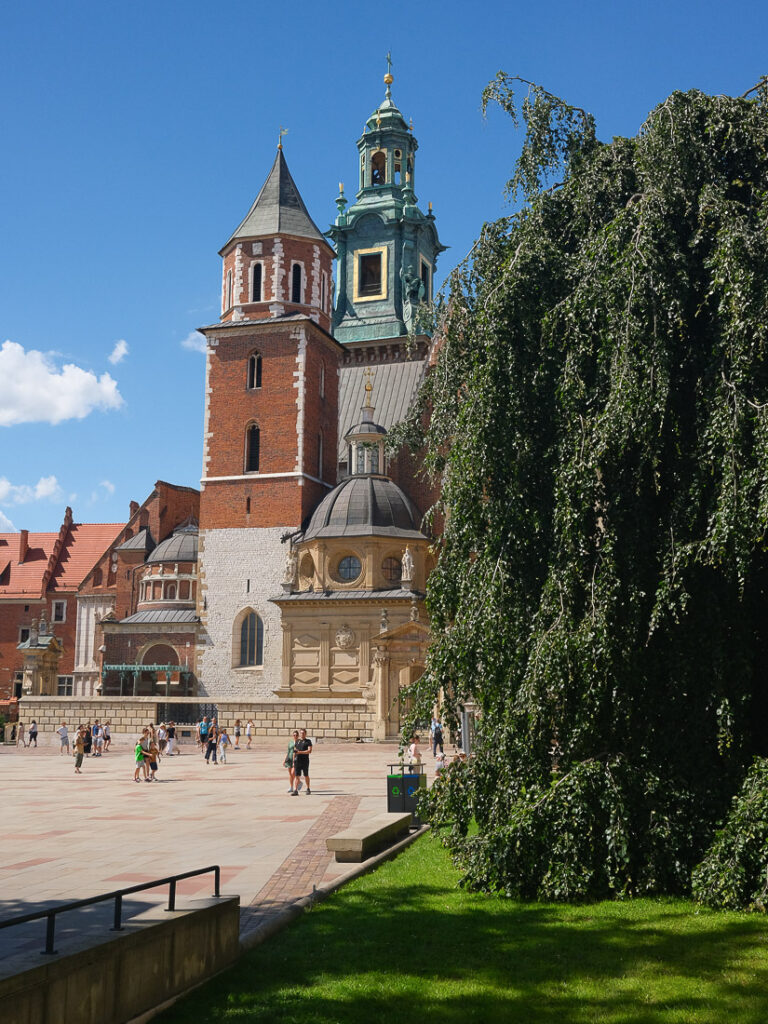
Wawel Cathedral (or, to give it its full name, the Royal Archcathedral Basilica of Saints Stanislaus and Wenceslaus) is one of the most important religious buildings in Poland. For nearly 900 years, it was where Polish kings were crowned and buried. Its grand architecture blends Gothic, Baroque and Renaissance styles.
Inside, a marked route takes you through the nave, the royal tombs, the decorated chapels and the Crypt of the National Poets. You also climb the Sigismund Tower where, after many steps through the wooden beams, you’ll see the Sigismund Bell, the largest bell in Poland, a big baby weighing nearly 12 tons!
Practical information:
💵 Price: About $7 (free on Monday mornings)
🕘 Opening hours: Every day from 9 a.m. to 4:30 p.m. (closed on Sunday mornings)
⏳ Time needed: 30 minutes to 1 hour
Wawel Royal Castle
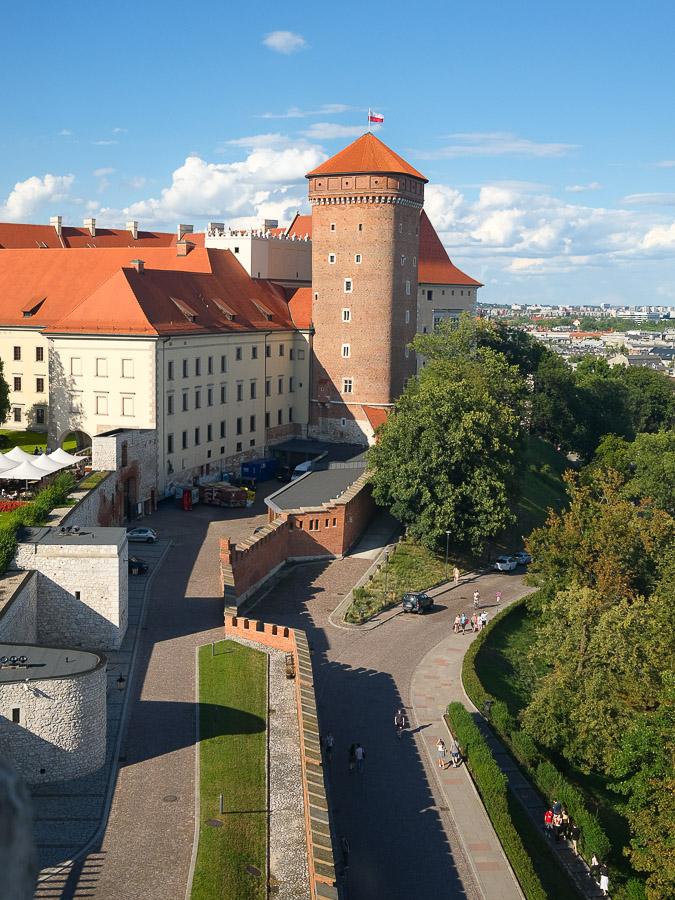
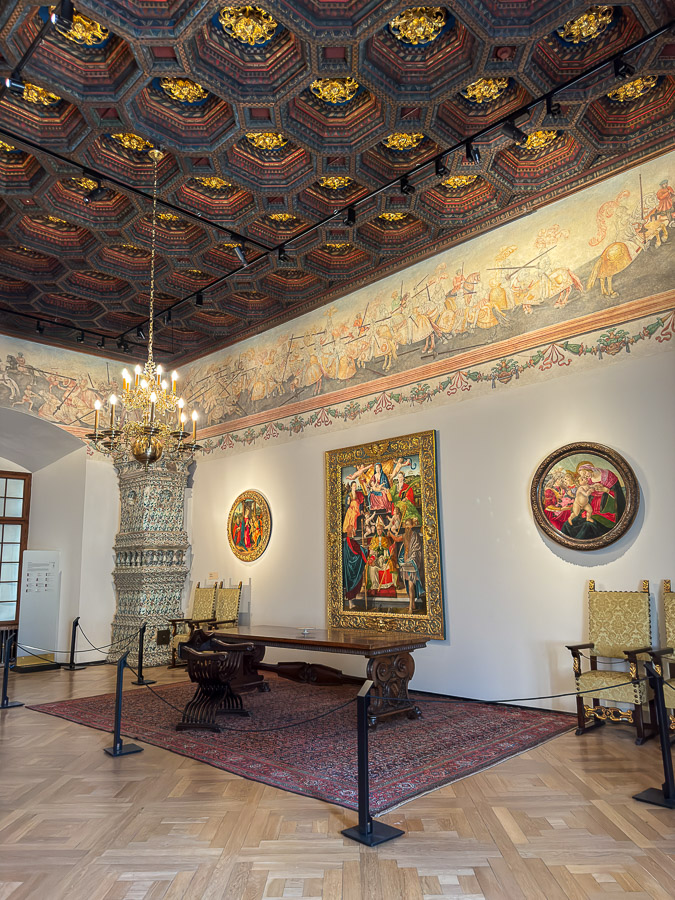
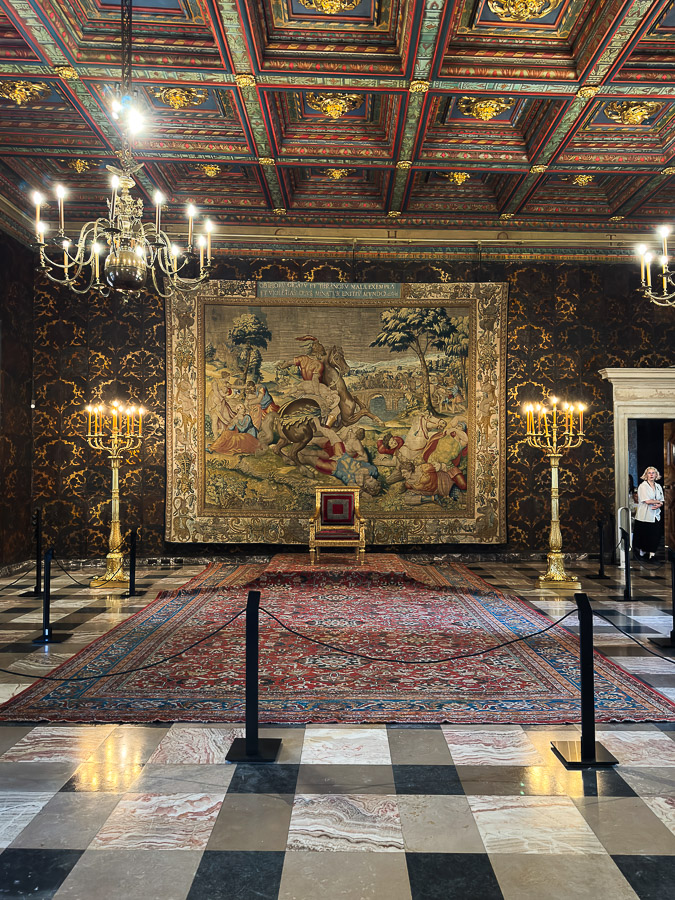
This imposing castle was the royal residence from the 11th to the 17th century, back when Krakow was the capital of Poland. Mixing several architectural styles (Romanesque, Gothic, Renaissance and Baroque), the castle reflects centuries of eventful history.
Buying a ticket for the castle is a bit of a puzzle, as there are lots of options and you can combine your ticket depending on what you want to see.
Here’s what we visited:
- Castle I: Royal Private Apartments ($13): A series of rooms richly decorated with tapestries and paintings, including a beautiful (and wonderfully bizarre) Last Judgment triptych by Hieronymus Bosch.
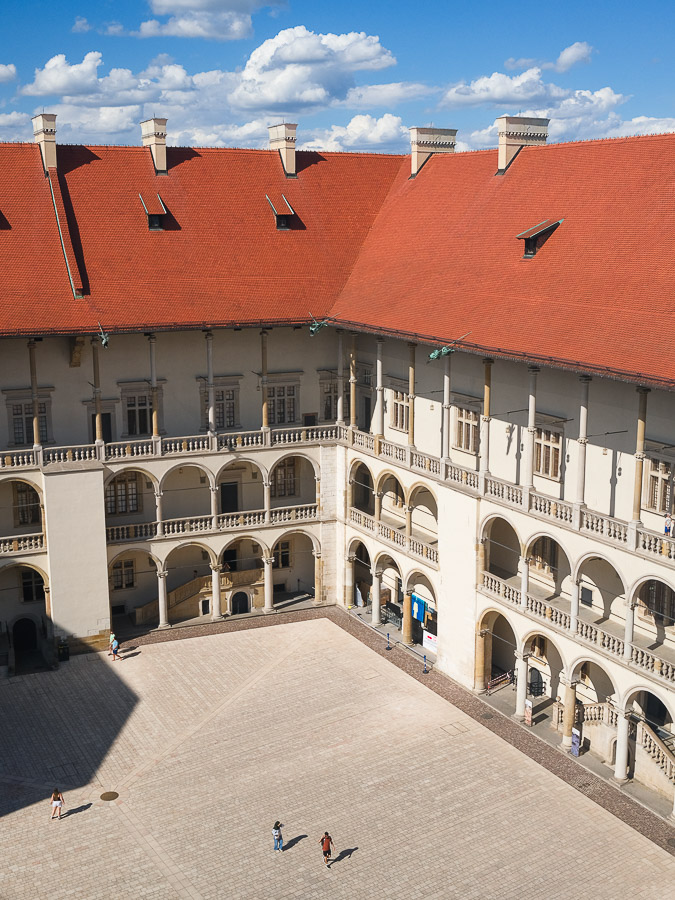
- Castle II: State Rooms ($14): The highlight of the castle, with several halls named after the friezes that decorate them. The Hall of Deputies is especially interesting, with its carved wooden heads poking out of the ceiling. You also walk along the galleries of the elegant arcaded courtyard.
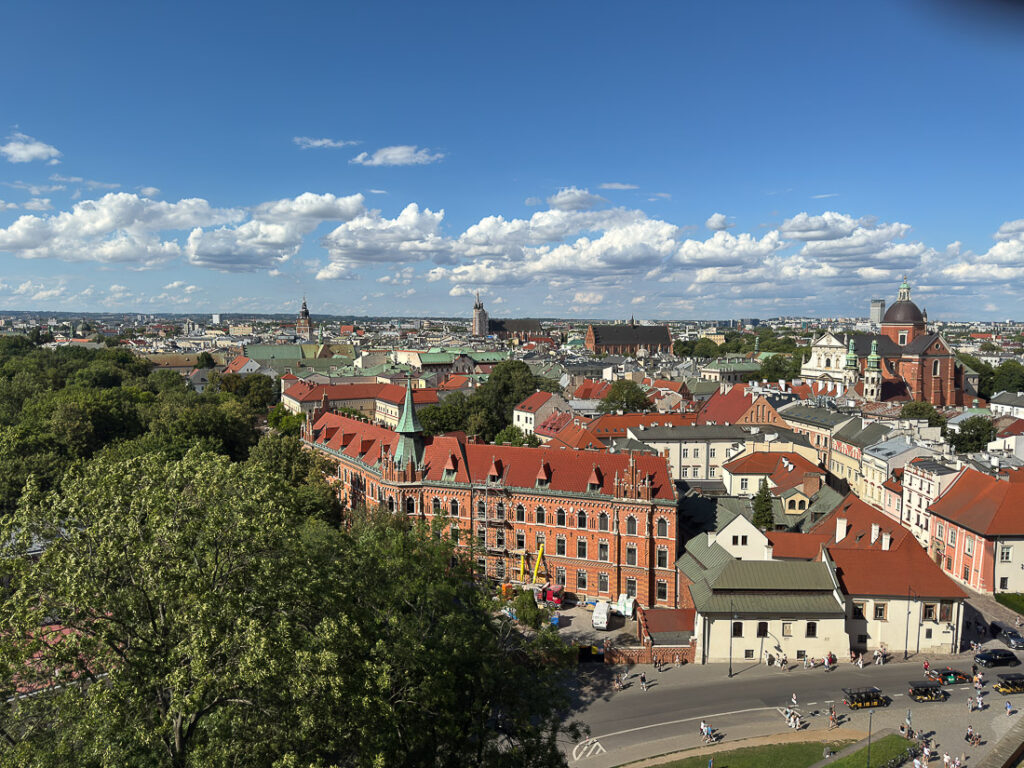
- Wawel Town and observation deck ($5): One of the castle towers houses the “Wawel Town” exhibition, about daily life in and around the castle in the Middle Ages. At the top, there’s an observation deck, but it’s not really worth it.
- Sandomierska Tower ($2): This artillery tower, which was also used as a prison, is now a viewpoint over the Vistula and the Old Town. But the view is fairly limited.
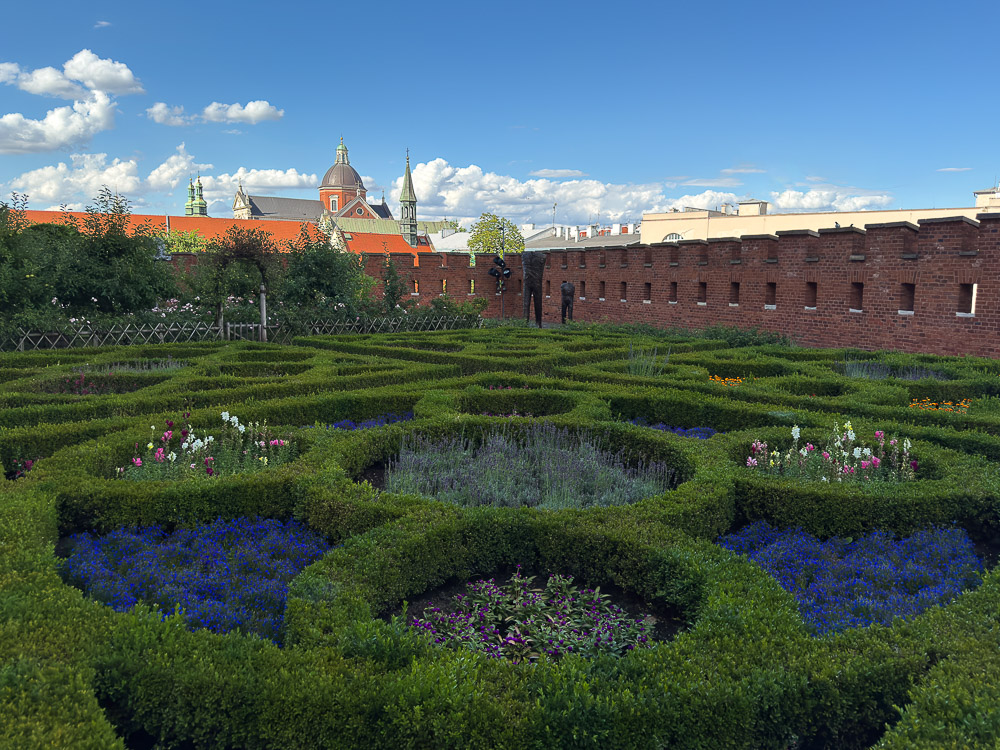
- Royal Gardens (free with a Castle I or Castle II ticket): Cute little Renaissance-style gardens at the foot of the castle.
All of this still cost us $34 per person! The person at the ticket office didn’t give us much information, so we picked what sounded most interesting. You can also visit the Dragon’s Den, the underground exhibitions, the Crown Treasury and temporary exhibitions with other options, and rent an audio guide. It’s all explained on the castle’s website.
Our main advice is to go for the Castle II ticket, which is by far the most interesting part of the castle. Both viewpoints were disappointing, as the view was neither clear nor very interesting (we much preferred the view from St. Mary’s Basilica, which we tell you about further down).
To head down the hill, you can go through the Dragon’s Den ($2), a cave steeped in local legends that we tell you about in our list of unusual things to do in Krakow. Otherwise, take the regular footpath down to the banks of the Vistula.
Walk along the Vistula River
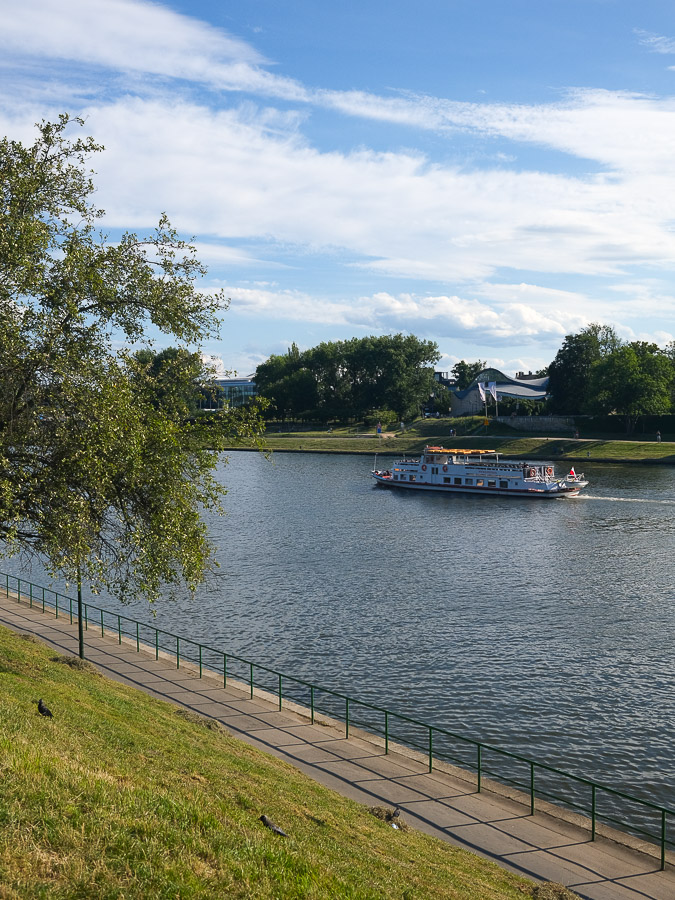
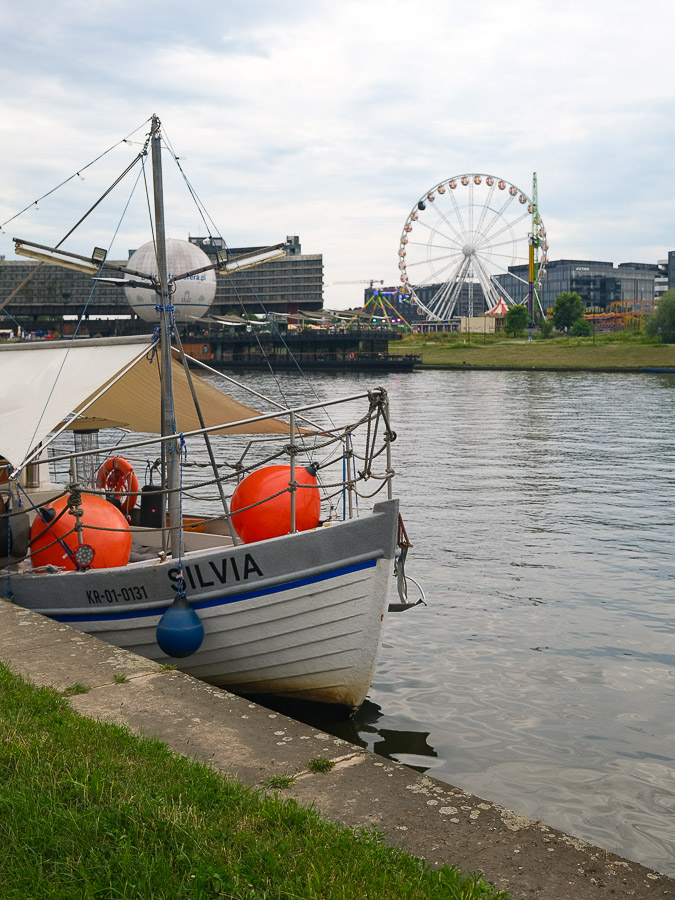
Below Wawel Hill, the riverbanks make for a really nice walk, especially on a sunny day. Along the way, you’ll pass the metal statue of the Wawel Dragon breathing fire, as well as Krakow’s own Hollywood Walk of Fame, Aleja Gwiazd, where various stars have come to place their star.
Krakow Old Town
Kanonicza, the Old Town’s most iconic street
To get from Wawel Hill to the heart of the Old Town, the best way is to walk up Kanonicza Street. This iconic street is one of the most beautiful in Krakow, with its medieval atmosphere and its well-preserved historic facades.
St. Francis of Assisi Basilica and Holy Trinity Church
At the end of Kanonicza Street, you’ll find two beautiful churches facing each other.
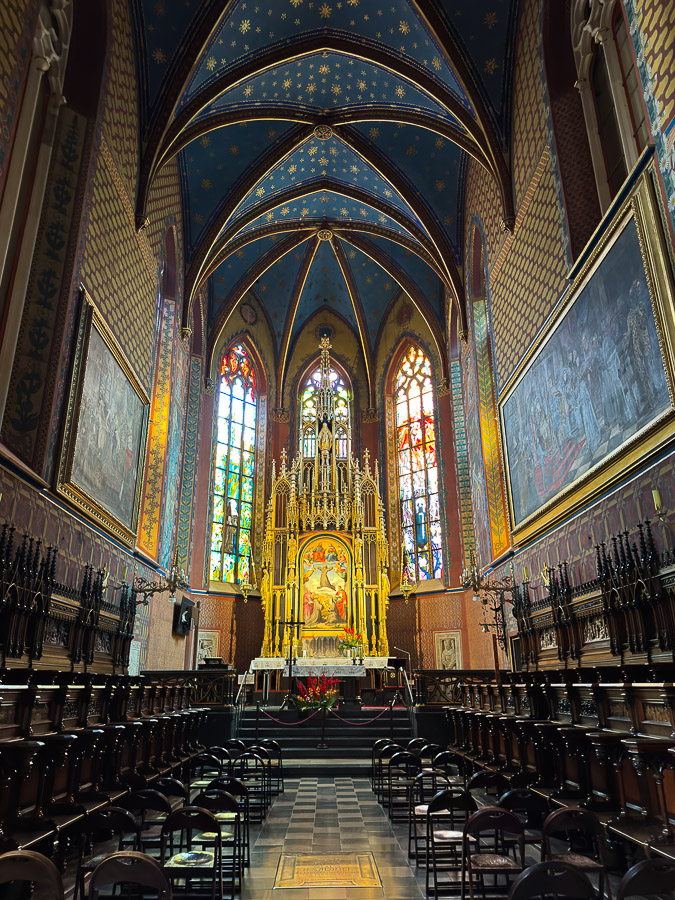
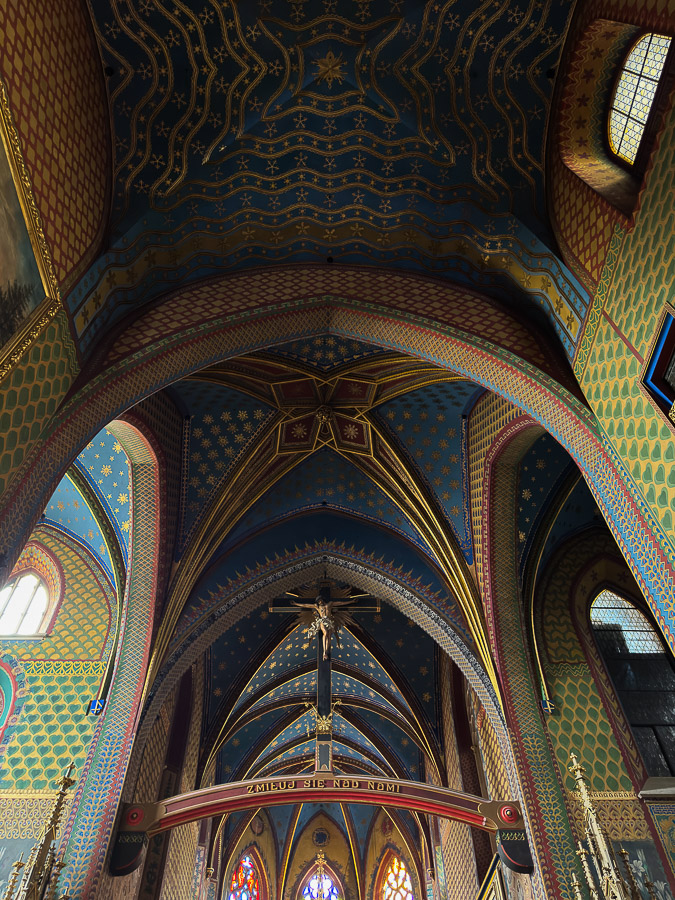
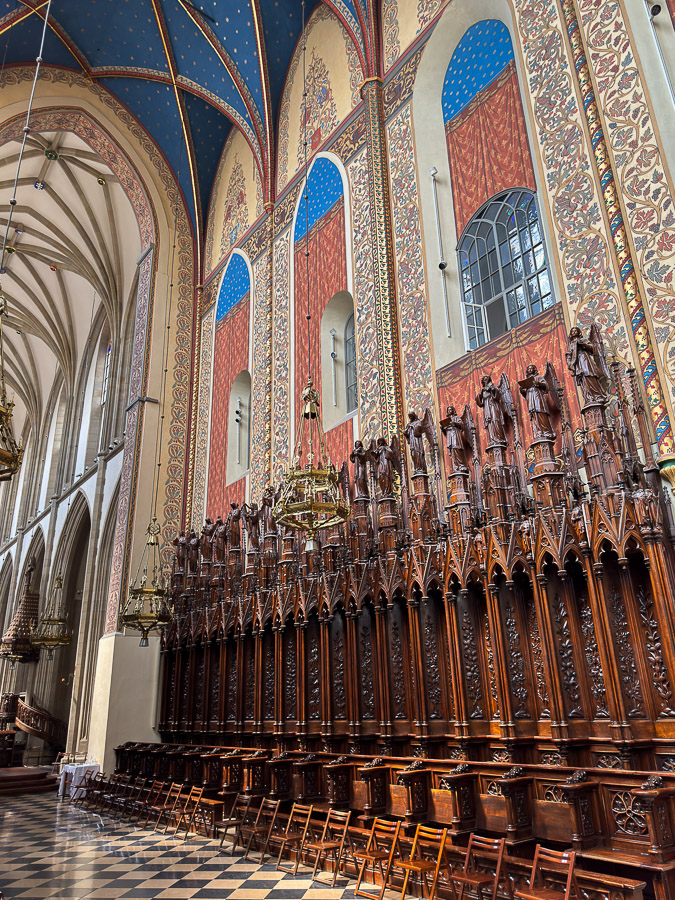
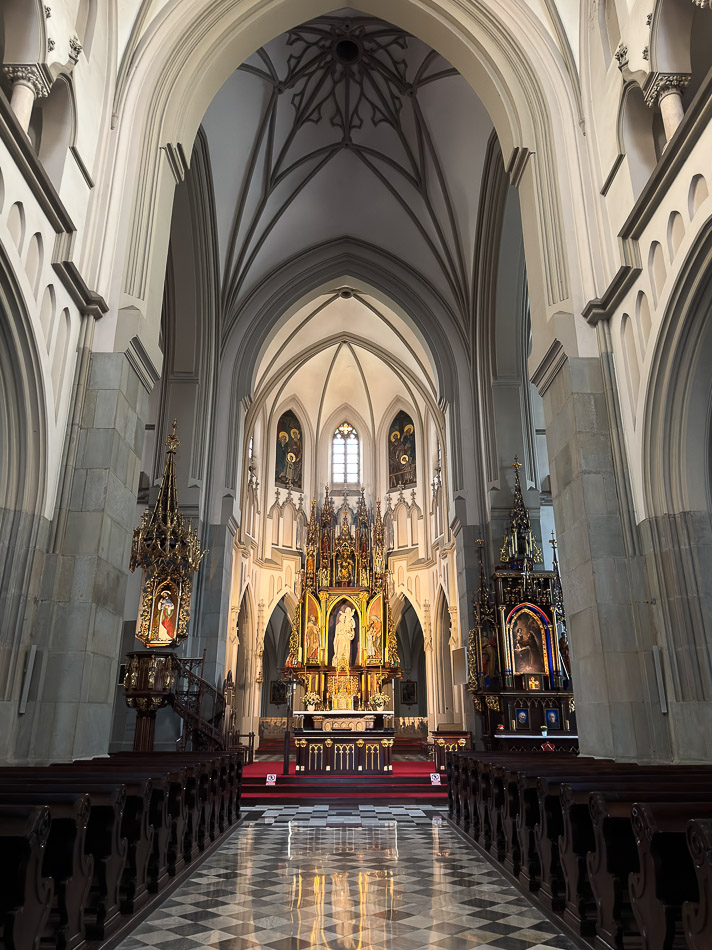
The Basilica of St. Francis of Assisi (or Franciscan Basilica) is well worth a visit. It has stunning Art Nouveau stained-glass windows, while gorgeous floral and geometric frescoes cover every wall. The inside of this church took our breath away!
Holy Trinity Church is also very beautiful, with its starry ceiling and richly decorated chapels.
Rynek Główny: the Main Market Square
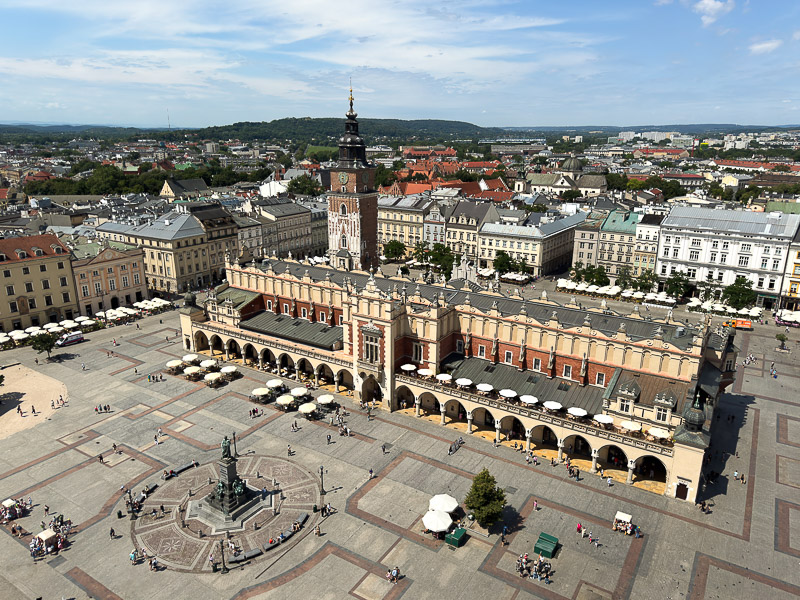
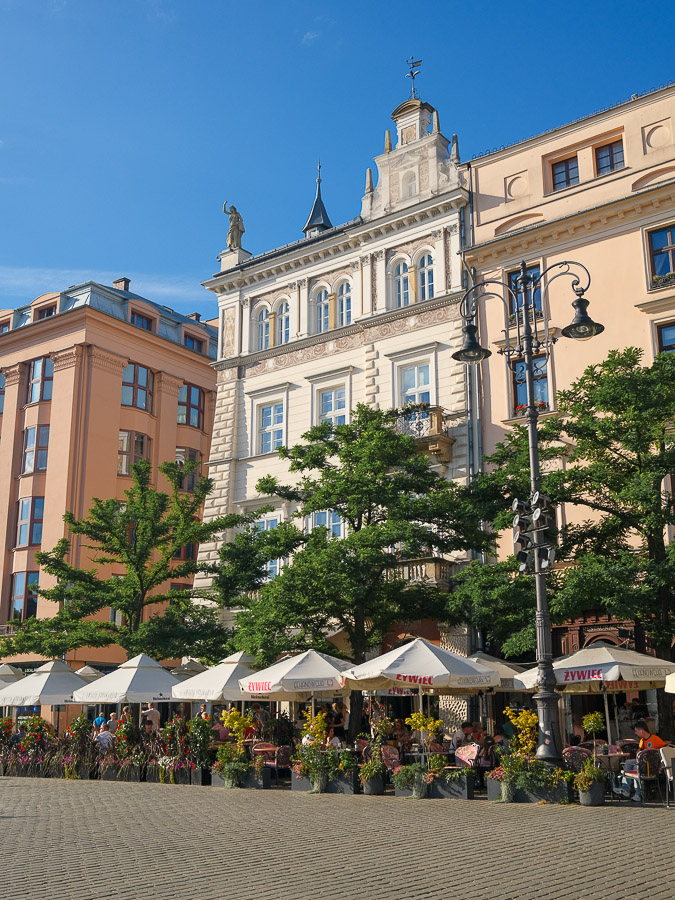
The Main Market Square is impressively big: about 10 acres (40,000 m²), making it one of the largest medieval squares in Europe. Dating back to the 13th century, it’s the historic heart of the city and still its real center of life.
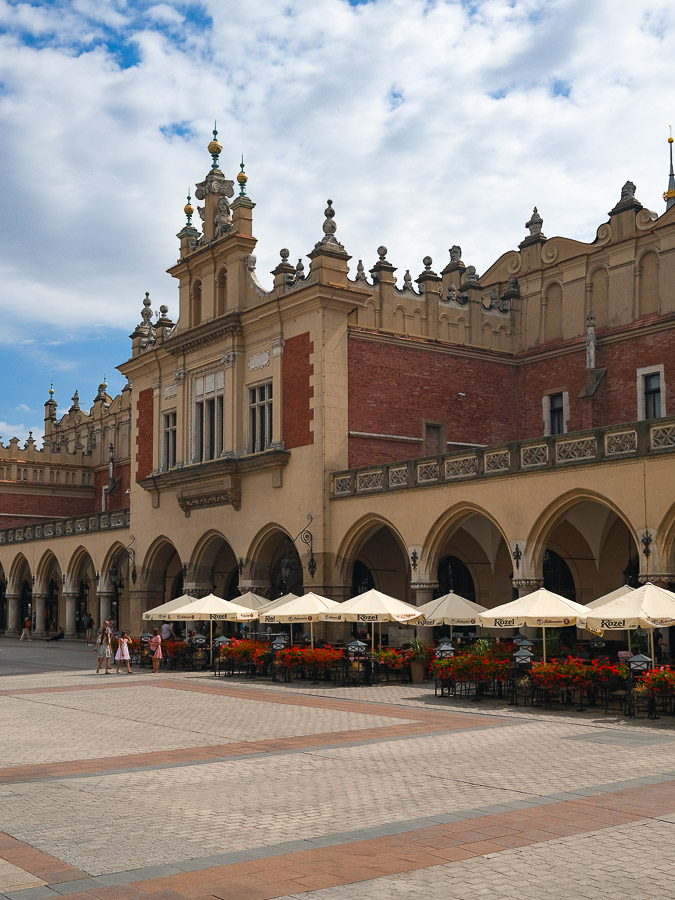
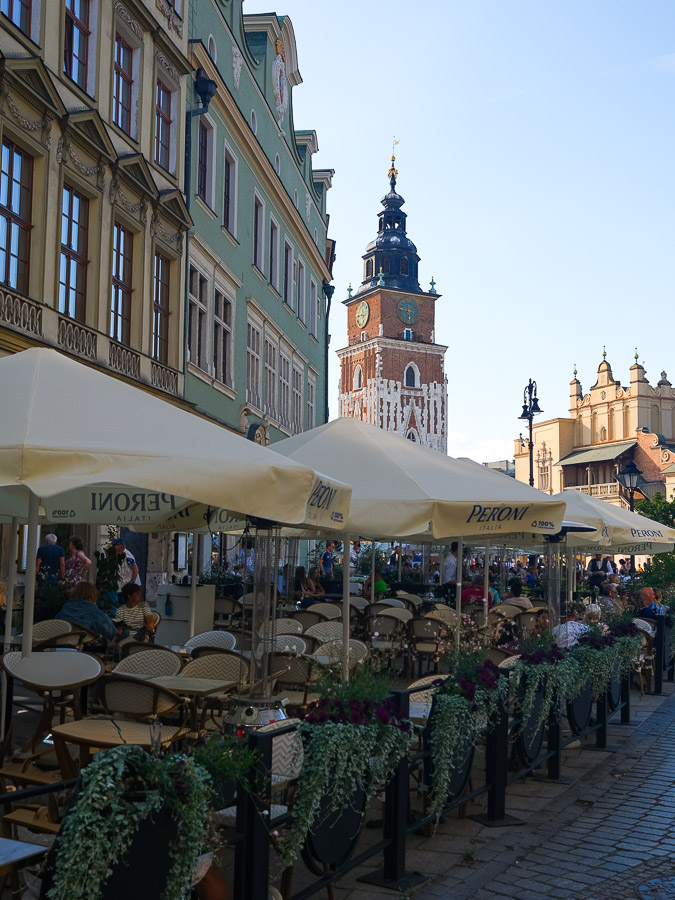
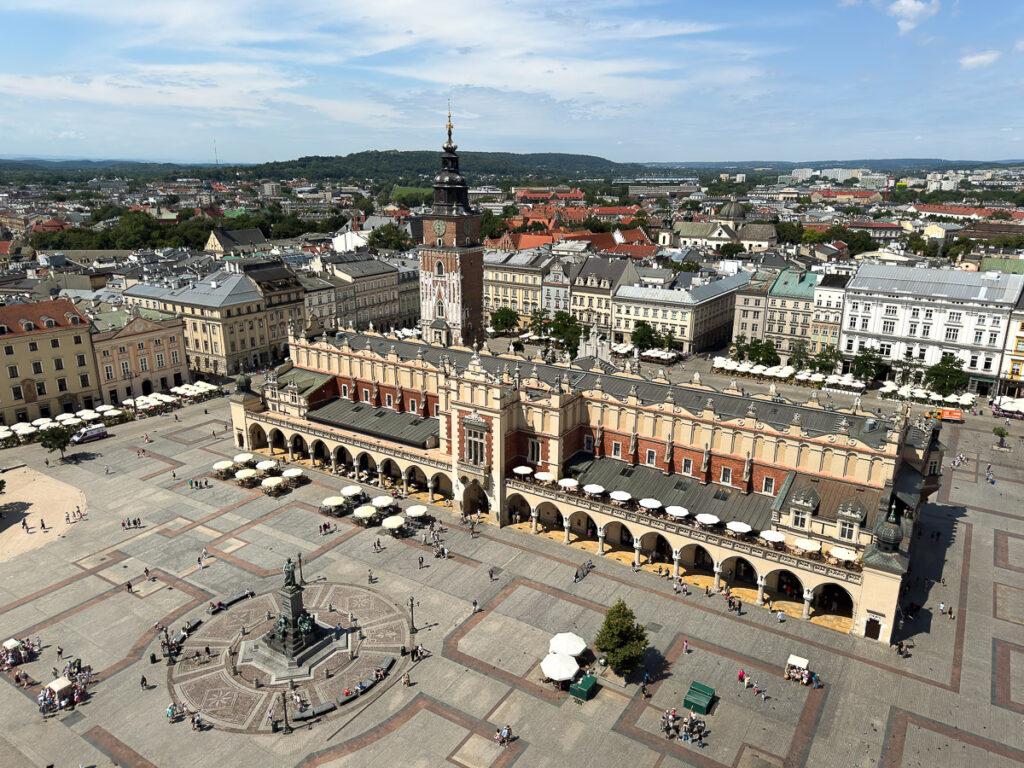
Lined with colorful houses, palaces and churches, it’s always buzzing with tourists and café terraces. In the middle, you’ll find the Cloth Hall (Sukiennice), a former covered market where cloth was sold, now full of shops, as well as the Town Hall Tower. St. Mary’s Basilica also stands on this square.
Town Hall Tower
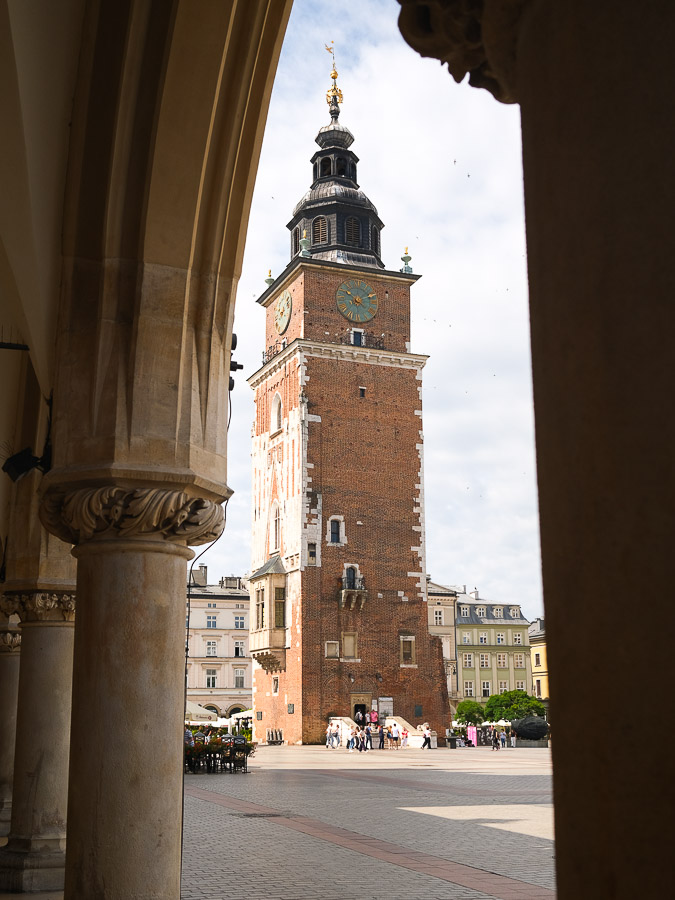
Standing on the Main Market Square, this 230-foot (70 m) tower is all that’s left of the 14th-century medieval town hall. Today it houses a small museum. At the top, the view of the city is limited to the small openings in the tower’s dome. A bit of a disappointing view, which makes this visit not essential in our opinion!
Practical information:
💵 Price: $5
🕘 Opening hours: Every day from 10 a.m. to 6 p.m.
⏳ Time needed: 30 minutes
St. Mary’s Basilica
St. Mary’s Basilica (Kościół Mariacki) is one of the city’s best-known symbols. Built in the 14th century in brick Gothic style, it’s easy to recognize thanks to its two uneven towers, the taller of which was once used as a watchtower.
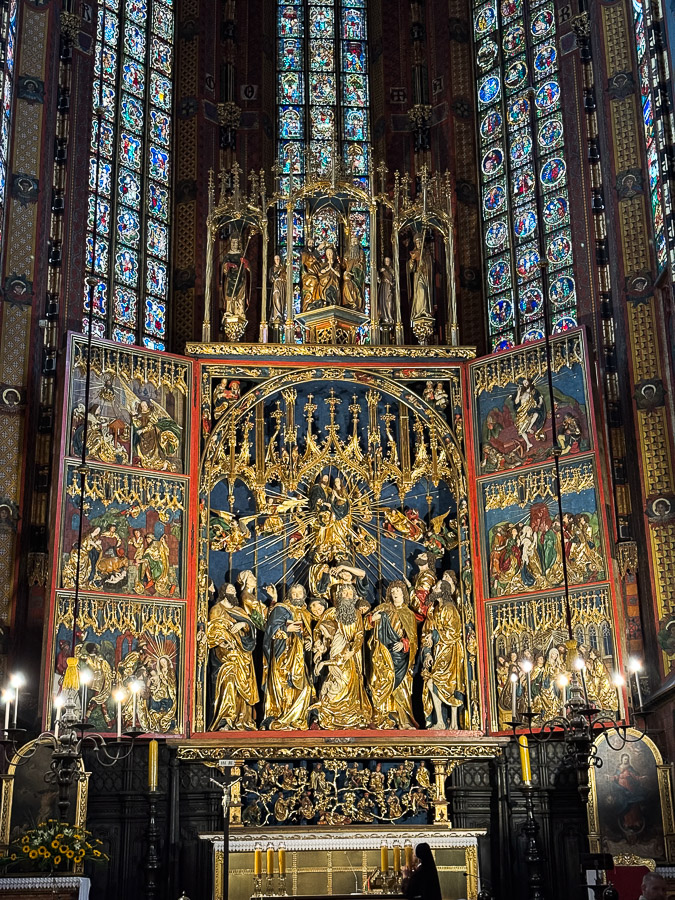
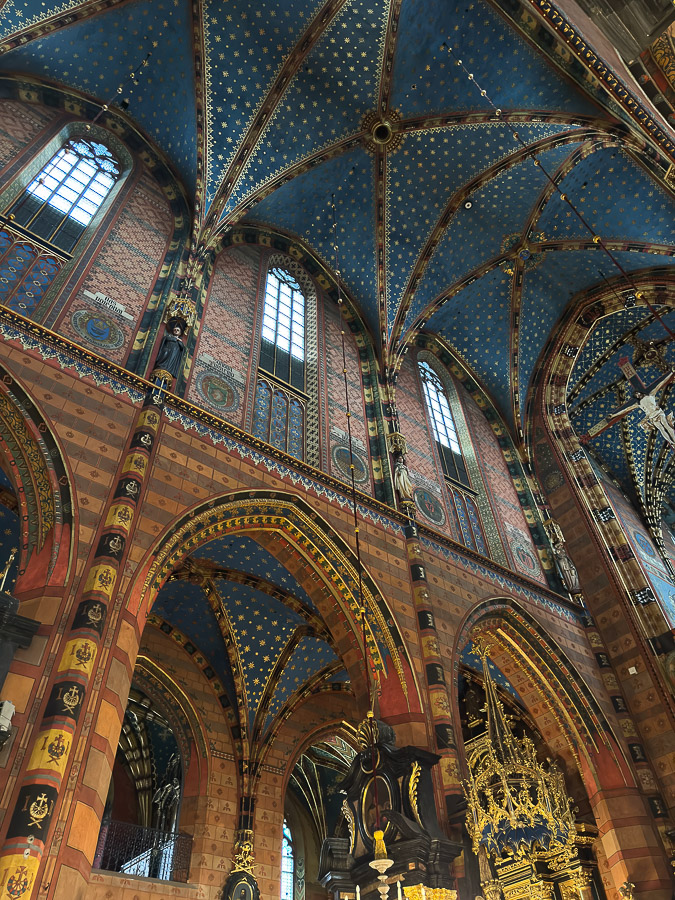
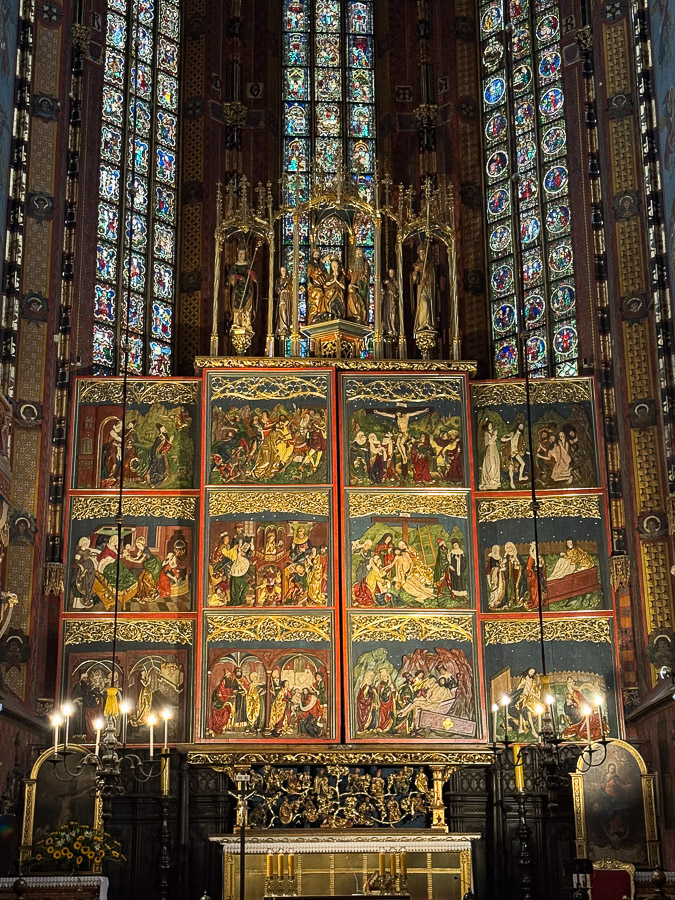
You can go inside for free through the main entrance, but you’ll only be able to stand at the back of the nave. So we recommend paying for the full entry, which lets you see the different chapels, the beautiful Gothic stained-glass windows and the stunning Veit Stoss Altarpiece, a carved wooden masterpiece that is opened at regular times between noon and 6 p.m.
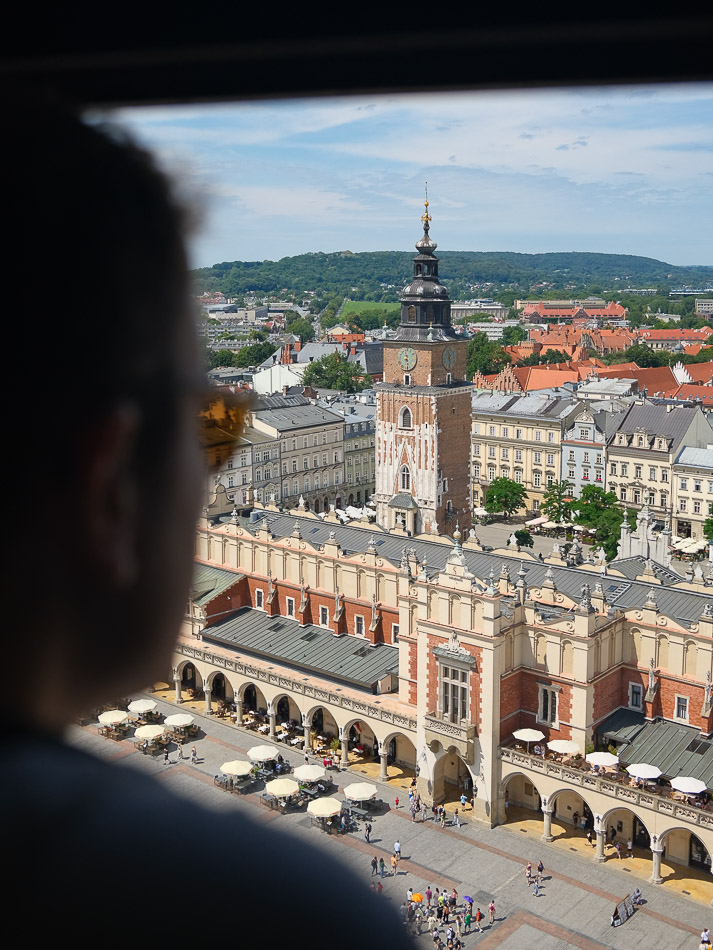
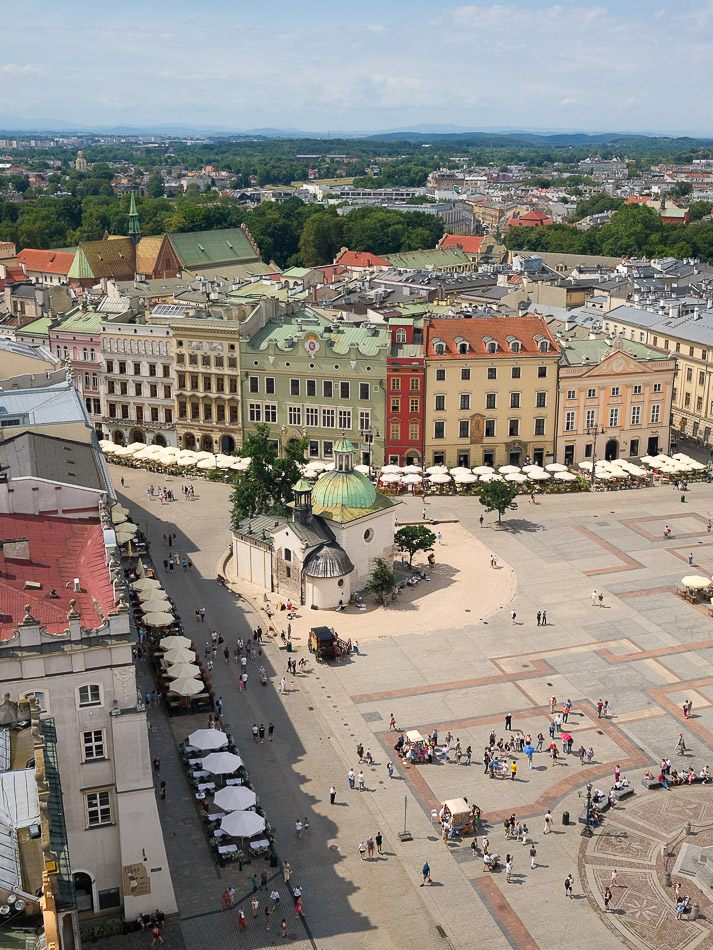
We also recommend climbing to the top of the bell tower, the Hejnał Tower. This is where we had the best view of Krakow, hands down! From the top, you get a panoramic view of the whole Old Town, with Wawel Hill, Kazimierz and Podgórze, and even Kościuszko Mound in the background. It’s also from this lookout that a trumpeter plays the Hejnał melody every hour (we tell you more about it in our article on unusual things to do in Krakow).
Practical information:
💵 Price: $5 to climb the bell tower (book your time slot in advance at the ticket office) / $5 to access the nave
🕘 Opening hours: Monday to Friday: 11:30 a.m. to 6 p.m. / Saturday and Sunday: 2 p.m. to 6 p.m.
⏳ Time needed: About 1 hour
Rynek Underground: Krakow’s underground museum
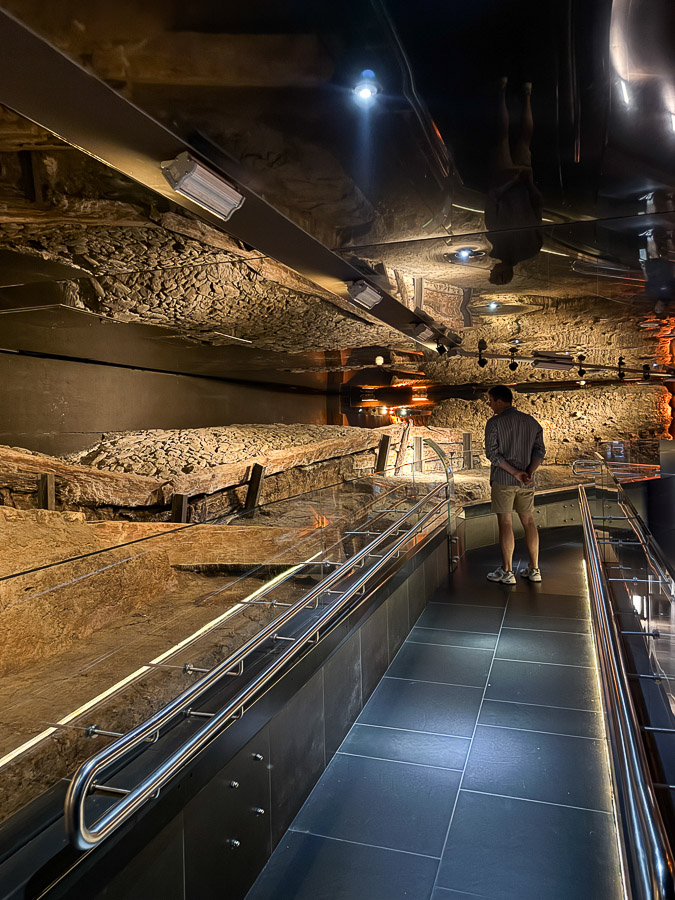
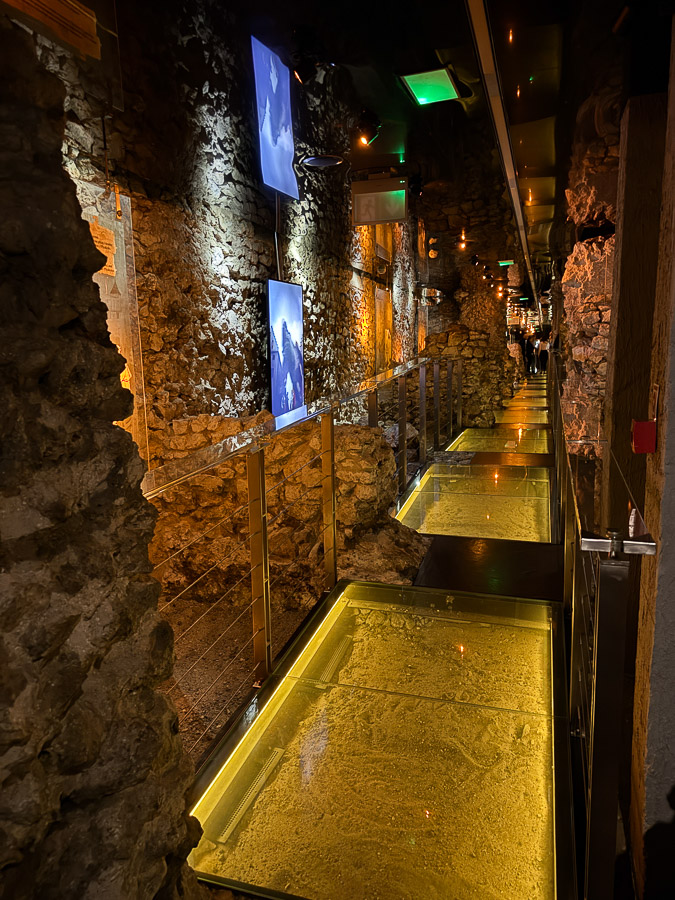
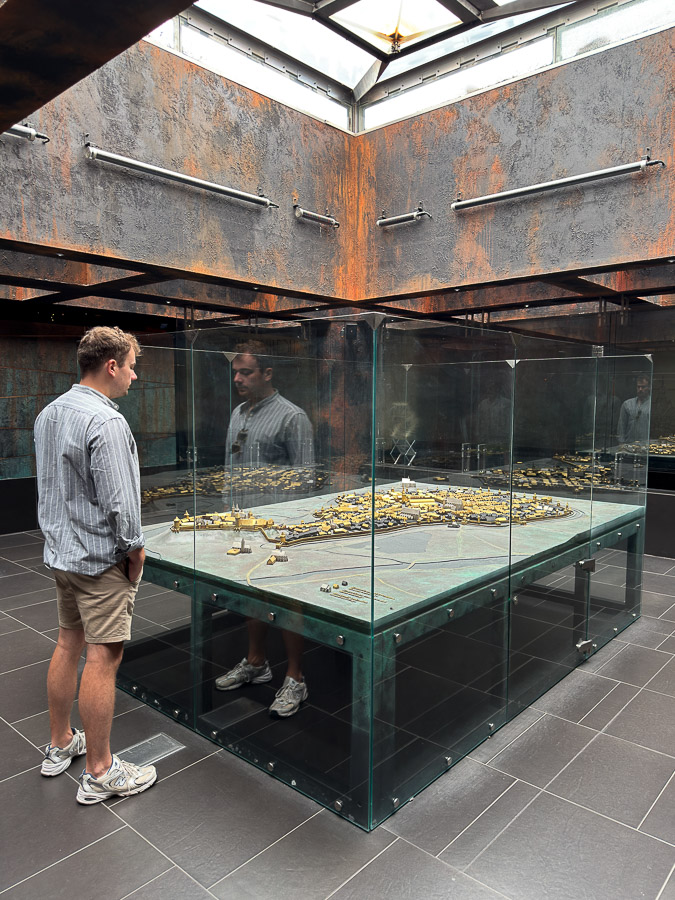
Beneath the Main Market Square lies a vast underground museum, Rynek Underground. Created after the 2005 excavations under the square, the museum showcases the many discoveries made about medieval Krakow.
You learn a lot about daily life, trade, crafts and how the city was run, all illustrated by many objects from the period, as well as the remains of market stalls and roads found during the excavations.
It’s a super interesting, interactive and easy-to-follow visit (lots of screens present the information in English). We really loved this museum and have been recommending it to everyone ever since!
Practical information:
💵 Price: $11
🕘 Opening hours: Monday, Wednesday and Thursday: 10 a.m. to 7 p.m. / Tuesday: 10 a.m. to 2 p.m. / Friday and Saturday: 10 a.m. to 8 p.m.
⏳ Time needed: 1.5 to 2 hours
Collegium Maius: the city’s historic university
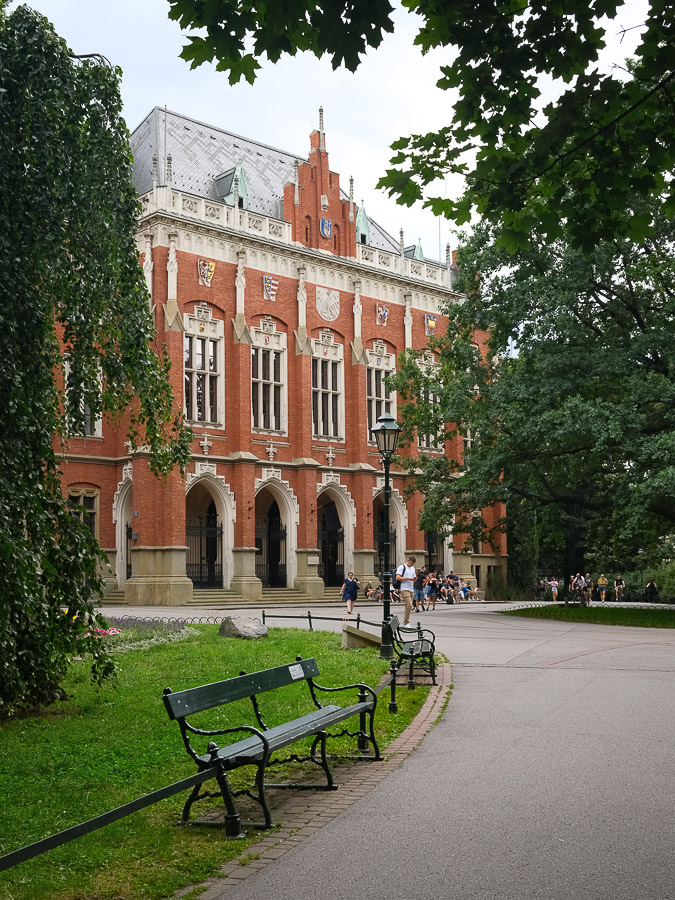
South of the Main Market Square, Collegium Maius is the oldest building of Krakow’s Jagiellonian University, founded in 1364 by King Casimir the Great. You can walk into its courtyard for free. There, you’ll find the old university clock, whose wooden figures come to life every two hours (from 9 a.m. to 5 p.m.).
Collegium Maius has been turned into a museum, which you can visit with or without a guide. It’s a chance to see old study rooms, a library, and antique astronomical instruments and globes linked to the great scholars who studied in Krakow, including Nicolaus Copernicus.
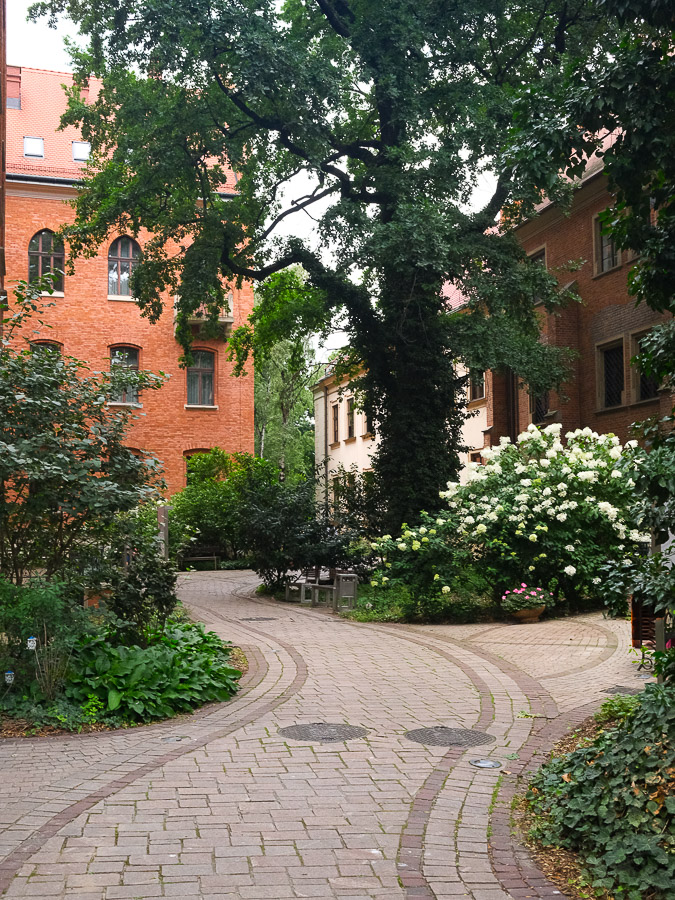
Unfortunately, it was exceptionally closed during our visit to Krakow, so we had to settle for the small Collegium Maius garden, which is pleasant and open to the public.
Practical information:
💵 Price: $4.50 (book your time slot up to 10 days in advance on the official website)
🕘 Opening hours: Monday to Friday: 10 a.m. to 4:30 p.m. / Saturday: 10 a.m. to 2 p.m.
⏳ Time needed: About 1 hour
The Barbican, the city walls and Planty Park
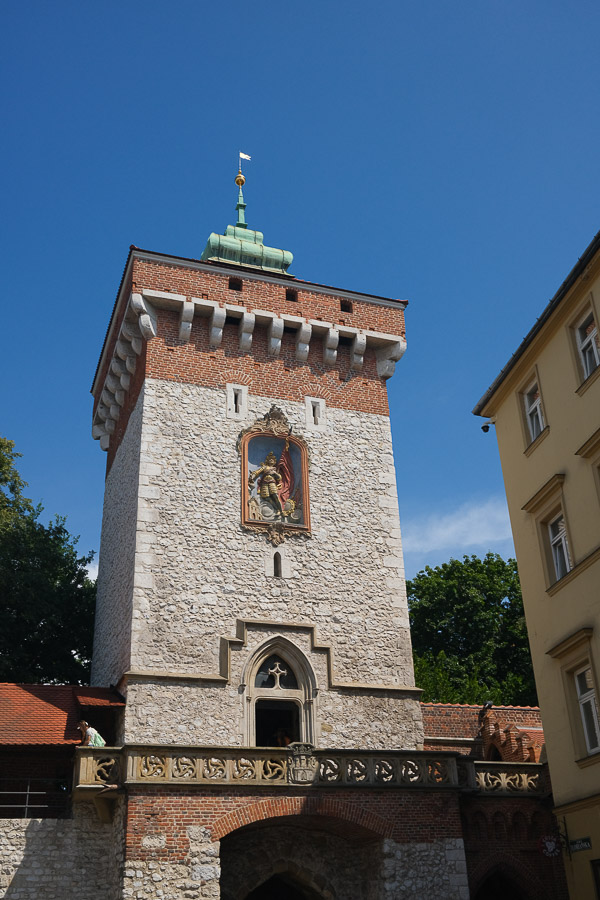
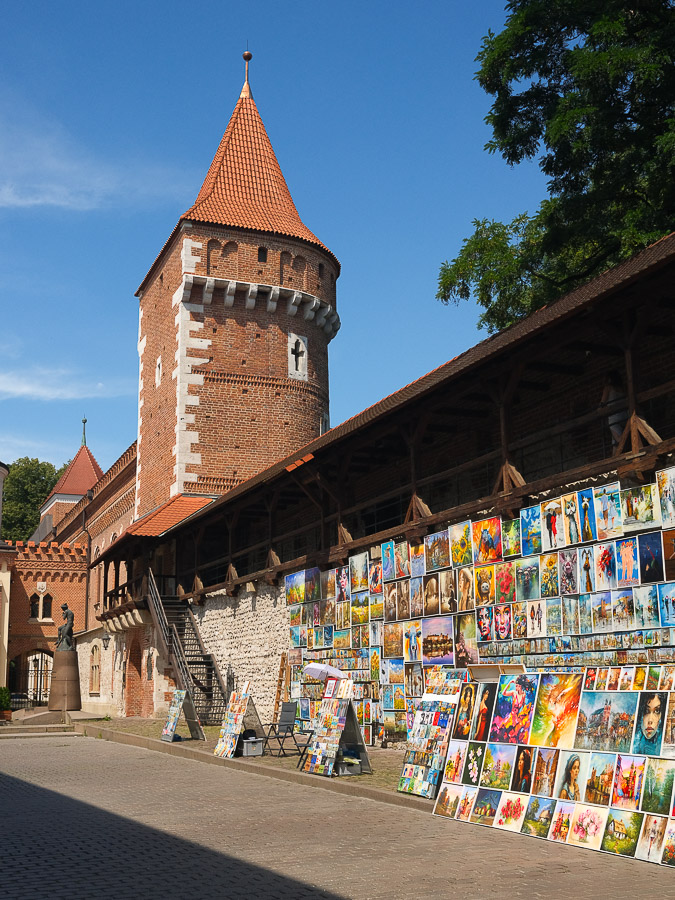
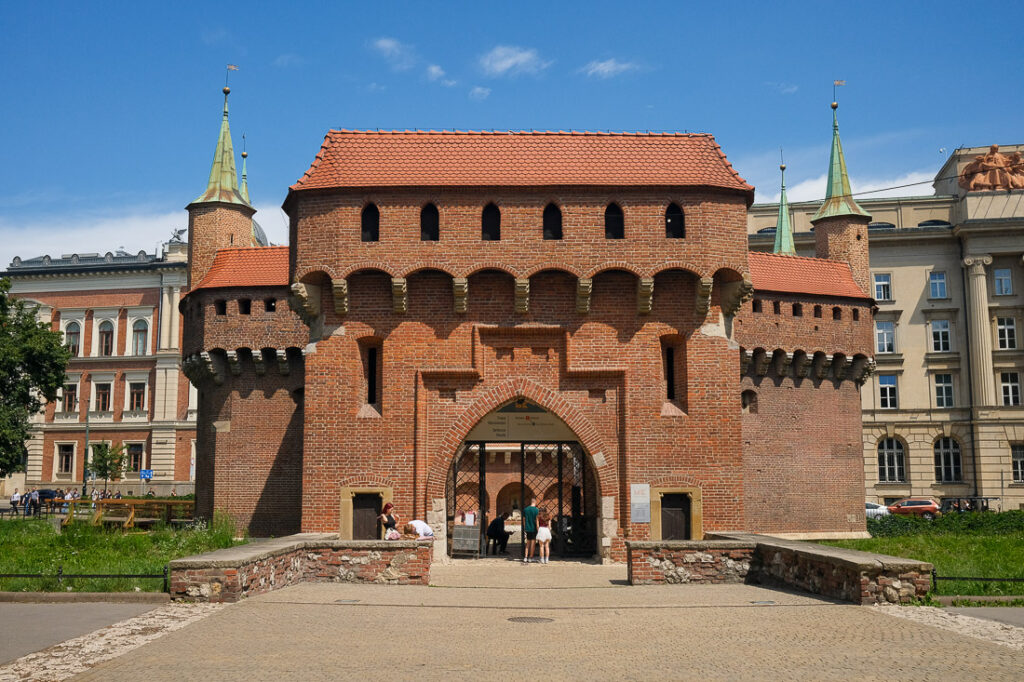
North of the Main Market Square, don’t miss the imposing Barbican. This round bastion was built to defend Krakow from the Ottoman threat. Right next to it stands St. Florian’s Gate, the only surviving city gate. A short section of the city walls runs along each side of the gate.
A combined ticket lets you visit the inside of the Barbican and walk along the walls, but we skipped it, as we had read it wasn’t essential (and our feet were already starting to hurt!).
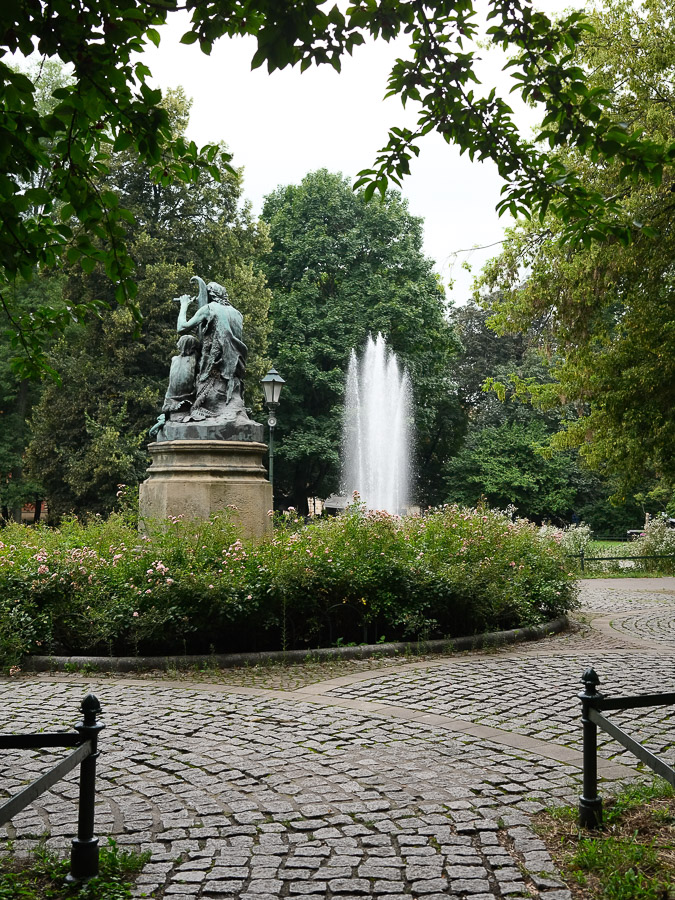
After braving the crowds on the Market Square, Planty Park is the perfect place to unwind at the end of the day. This lovely public park was laid out where Krakow’s old city walls once stood. It’s a real green oasis that loops all the way around the Old Town, dotted with fountains and sculptures. A pleasant stroll in a spot that’s popular with locals, who come here to jog or simply wander.
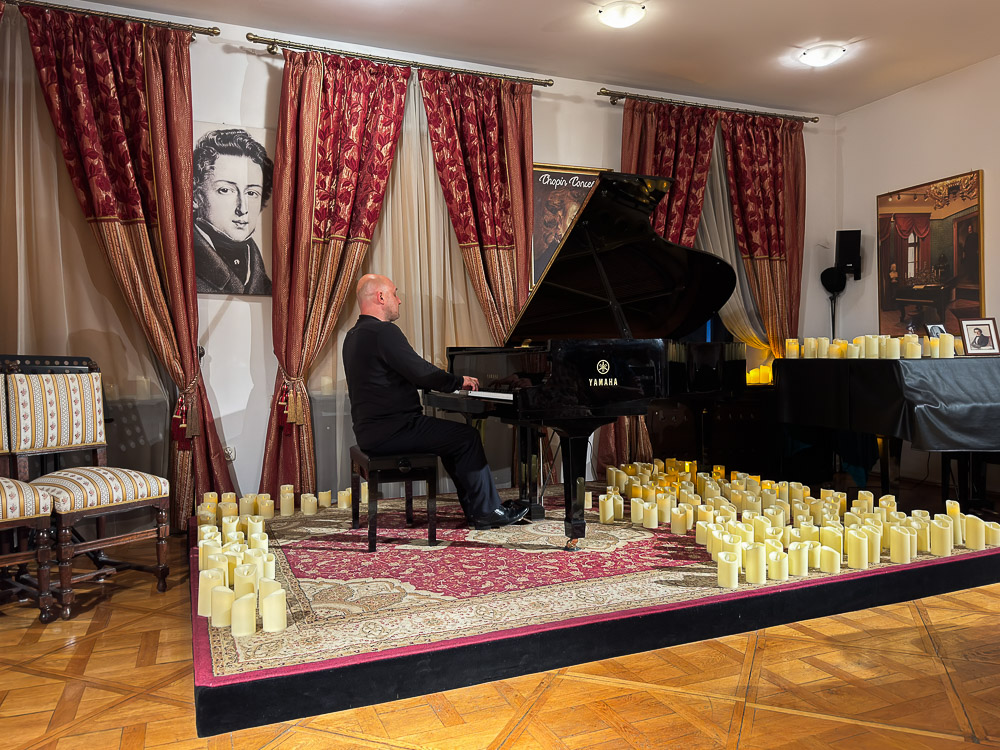
Chopin concert at the Chopin Concert Hall
To end the day on a high note, why not go to a Chopin concert at the Chopin Concert Hall? Piano recitals paying tribute to the Polish-French composer are held almost every evening.
We loved this evening activity. After being welcomed with a glass of champagne, we got to enjoy the best of his repertoire, from his most famous pieces to lesser-known but equally beautiful compositions. The concert lasts 1 hour, and we recommend booking ahead on this website!
Day 2: Podgórze and Kazimierz
After exploring medieval Krakow, it’s time to dive into the city’s more recent history, tragically marked by World War II.
Podgórze: Krakow’s former Jewish ghetto
Start the day in Podgórze, in the south of Krakow, on the other side of the Vistula. This was the city’s former Jewish ghetto, where Krakow’s Jews were forced to live from 1941 until their deportation to the concentration camps. Many reminders of this period remain, including Oskar Schindler’s famous factory.
Oskar Schindler’s Factory
The former factory of businessman Oskar Schindler, made world-famous by Steven Spielberg’s “Schindler’s List,” is now a museum. Inside, you’ll find an exhibition about Krakow during the Nazi occupation, with many testimonies and objects from the period.
We recommend booking your tickets well in advance, as they sell out fast online and the line without a reservation can be very long!
Practical information:
💵 Price: $10.50 for a regular visit, $18 for a guided tour
🕘 Opening hours: Every day from 9 a.m. to 7 p.m. (except Mondays, 10 a.m. to 3 p.m.)
⏳ Time needed: About 1.5 hours
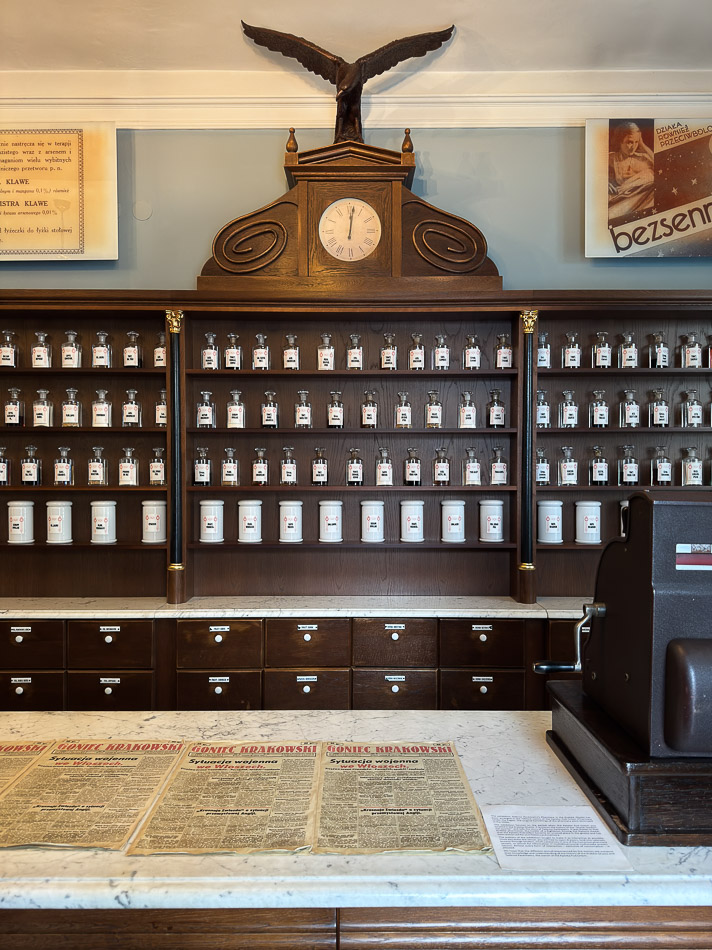
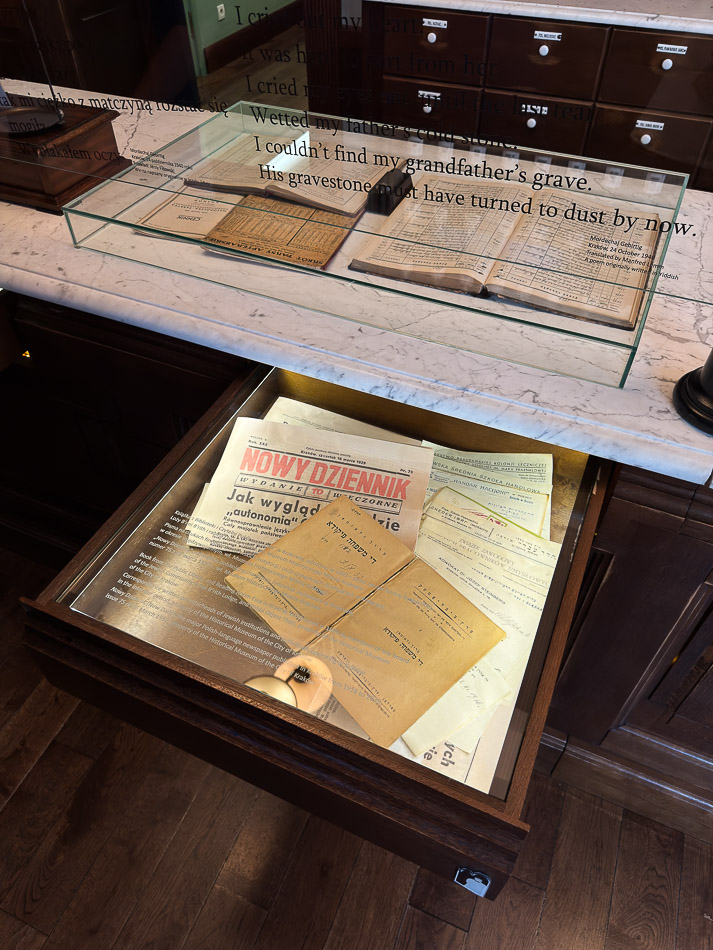
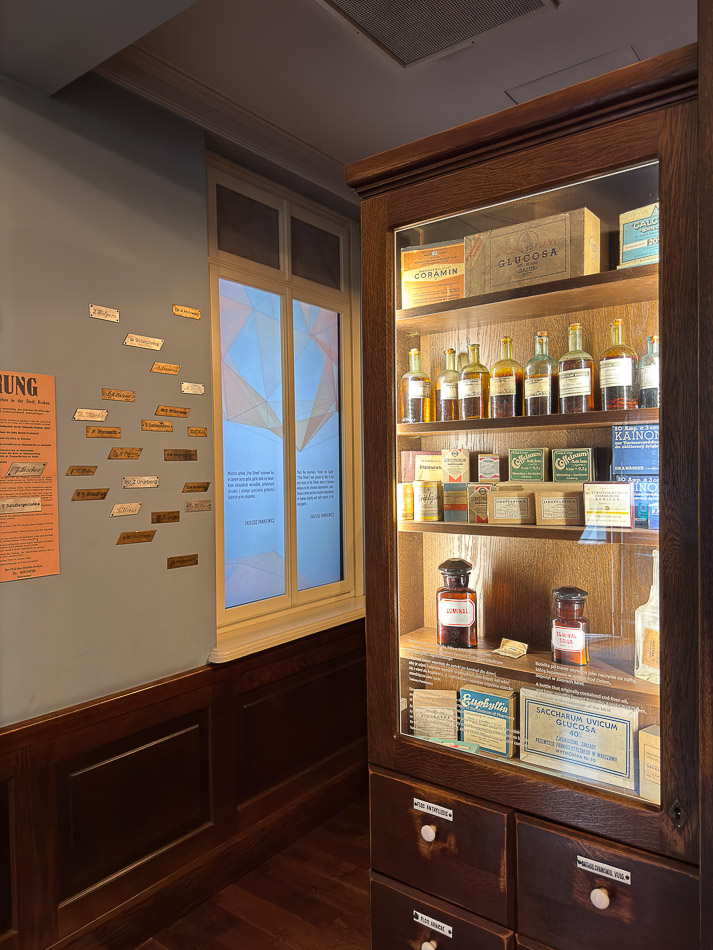
Eagle Pharmacy Museum
If, like us, you didn’t manage to get tickets for Schindler’s Factory, don’t miss the Eagle Pharmacy (Apteka Pod Orłem). This small museum is set in the former pharmacy of Tadeusz Pankiewicz, the only non-Jew allowed to work and live in the Jewish ghetto. His pharmacy became the only point of contact between the ghetto and the outside world, as Tadeusz helped Jews communicate with their families outside the ghetto and brought them food and medicine.
The exhibition looks back at the hard daily life of the Jews living in the ghetto and at how this resistance was organized. A dense and very interesting exhibition, beautifully staged!
Practical information:
💵 Price: $5
🕘 Opening hours: Wednesday to Sunday: 9 a.m. to 5 p.m.
⏳ Time needed: 1 to 1.5 hours
Ghetto Heroes Square memorial
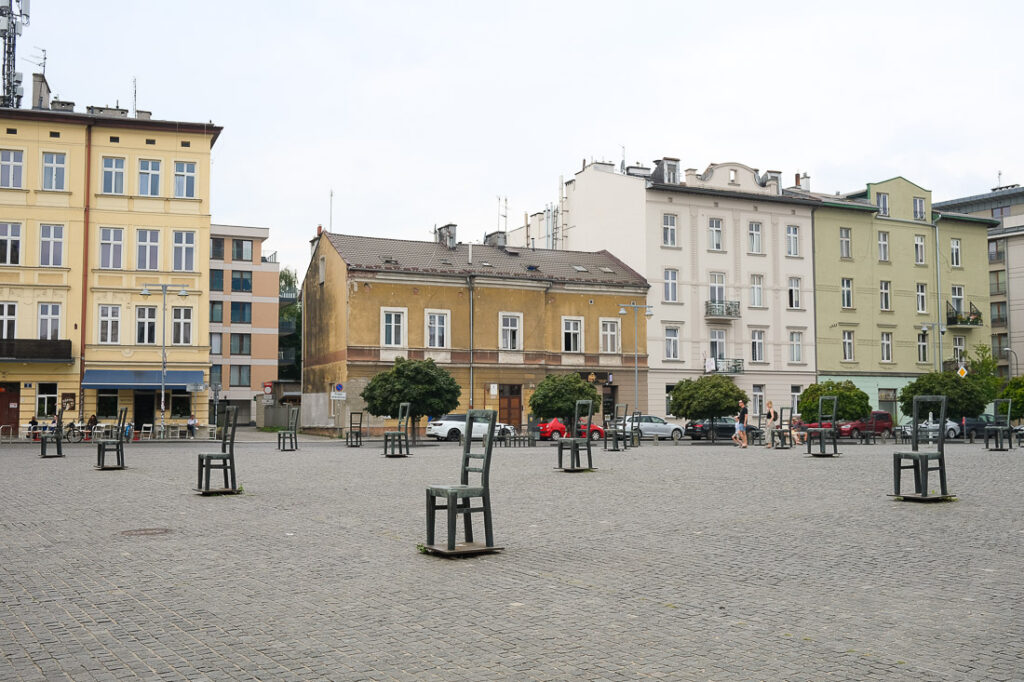
On Ghetto Heroes Square (Plac Bohaterów Getta), across from the Eagle Pharmacy, stands the memorial to the Jews of the ghetto. Seventy metal chairs are laid out across the square, symbolizing the belongings the Jewish residents left behind when they were deported. Their number evokes the tens of thousands of lives shattered here.
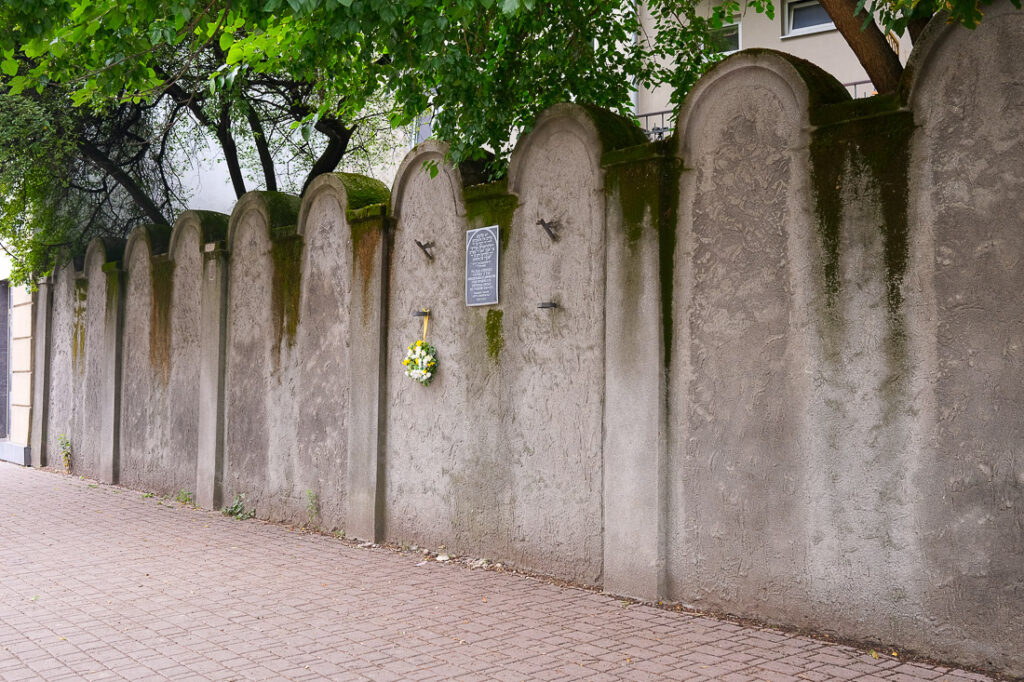
A little farther south, you’ll find a small section of the ghetto wall, one of the few remains still standing from that time.
St. Joseph’s Church
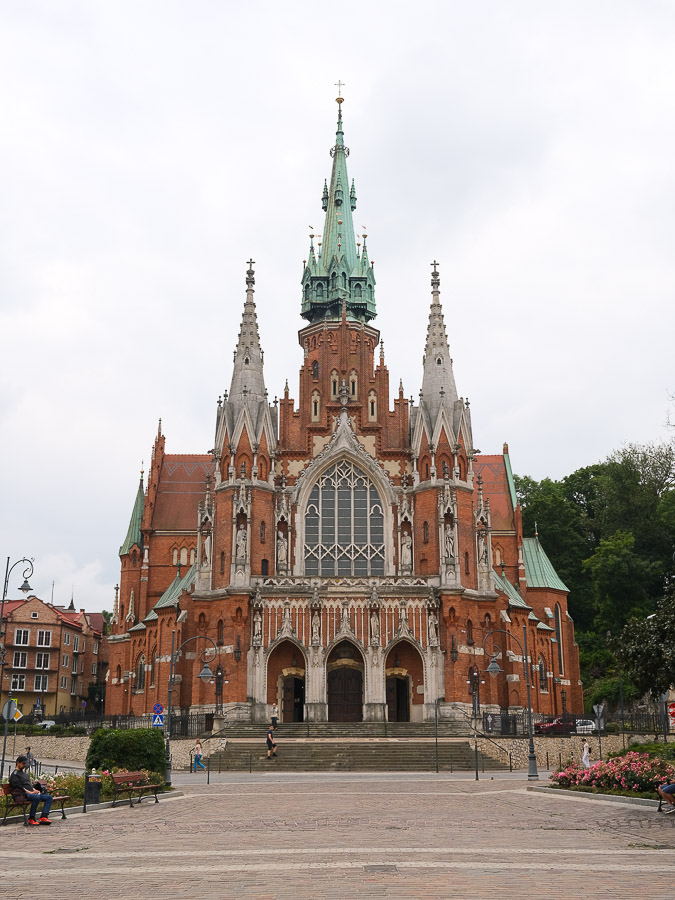
The lovely neo-Gothic St. Joseph’s Church, in the heart of Podgórze, towers over the main square. It makes for a beautiful view, and the surrounding streets are cute and pleasant to wander.
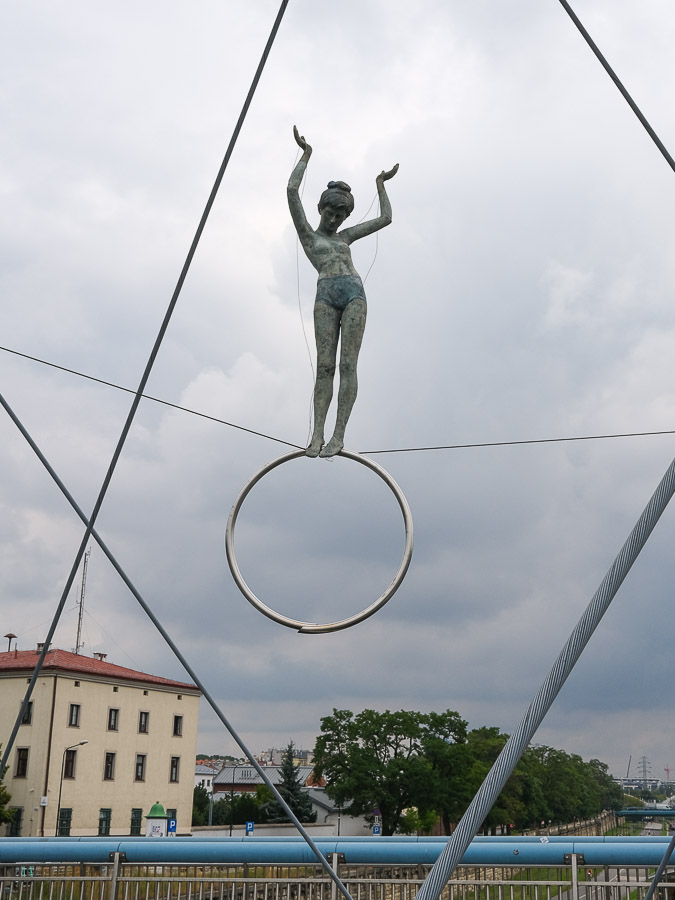
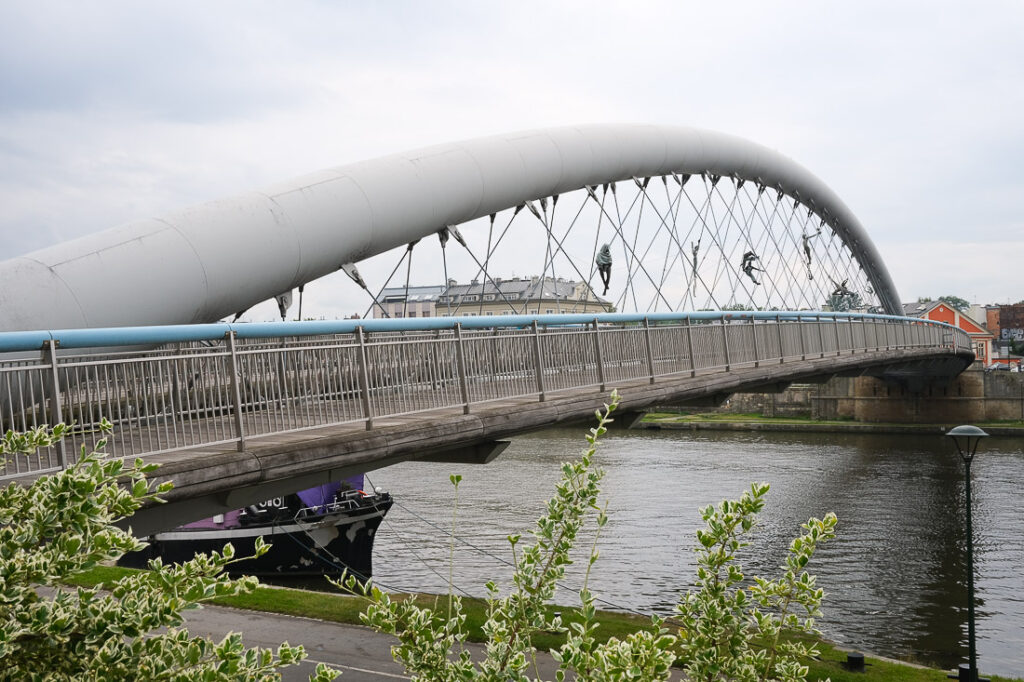
Before moving on to the next neighborhood, cross the Father Bernatek Footbridge. You can spot this pedestrian bridge from afar, with its bronze acrobat statues that look so light, hanging in midair.
Kazimierz: Krakow’s Jewish Quarter
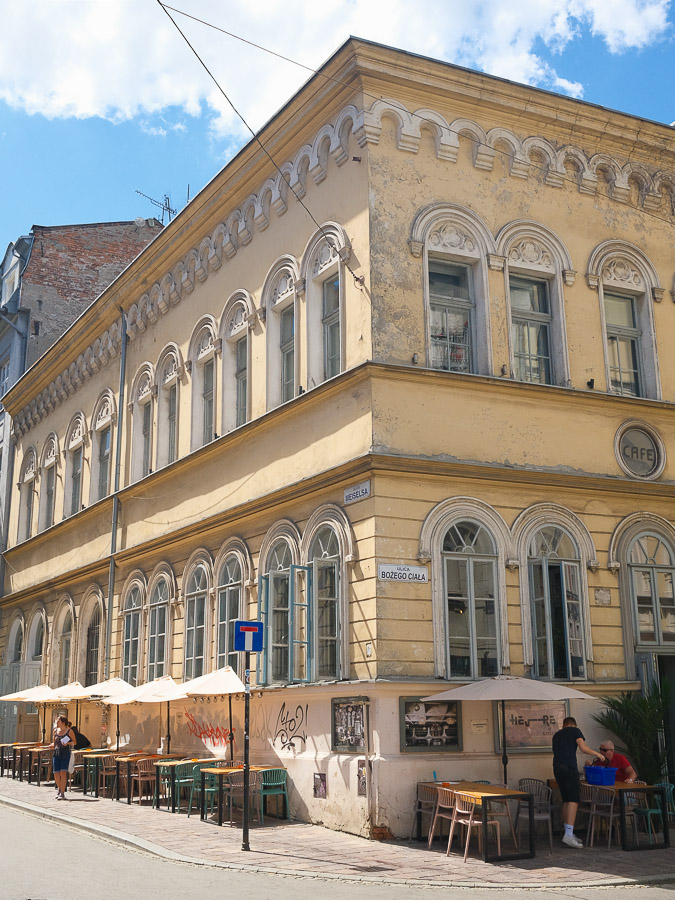
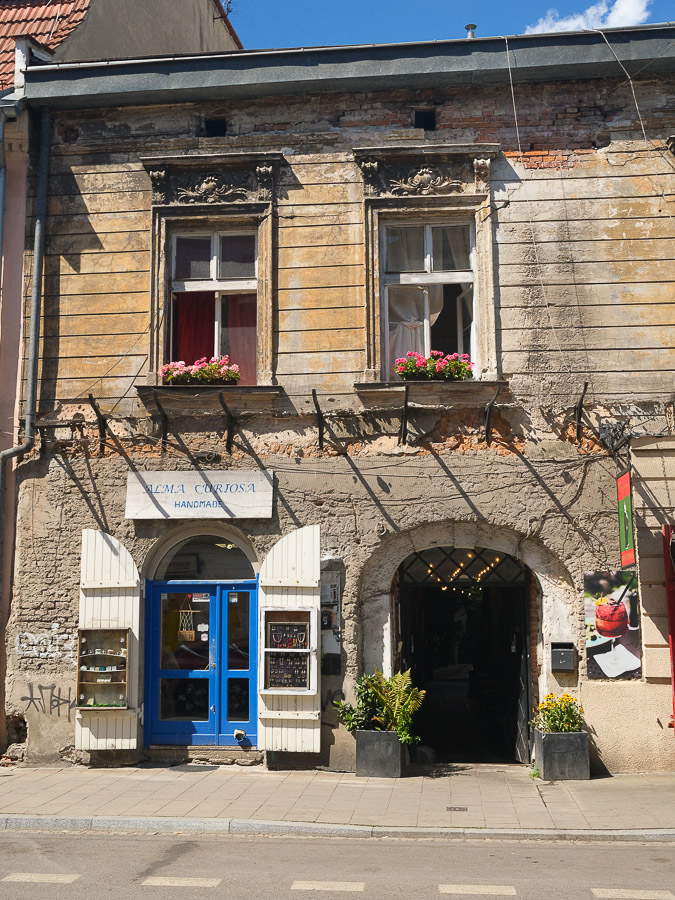
From the late 15th century, Kazimierz was Krakow’s Jewish Quarter, until its residents were forcibly moved to Podgórze in 1941. It has a very different atmosphere from the rest of the city and is a great place to wander, especially in the late afternoon, with its small shops and many bars and restaurants.
The best way to discover this neighborhood is simply to stroll around its cobbled streets and pretty courtyards. Here are a few places not to miss:
The neighborhood’s iconic squares and streets
- Szeroka Street: This street was once the heart of Kazimierz. Helena Rubinstein, founder of the cosmetics brand of the same name, lived at number 14.
- Plac Wolnica: This square stretches out in front of the neighborhood’s former town hall. It’s full of great spots for a coffee, an afternoon snack or dinner!
- Plac Nowy: In the middle of the neighborhood, Plac Nowy (New Square) is home to a large round market hall where zapiekanka stands rub shoulders with the surrounding bars.
Schindler’s List Passage (Pasaż Listy Schindlera)
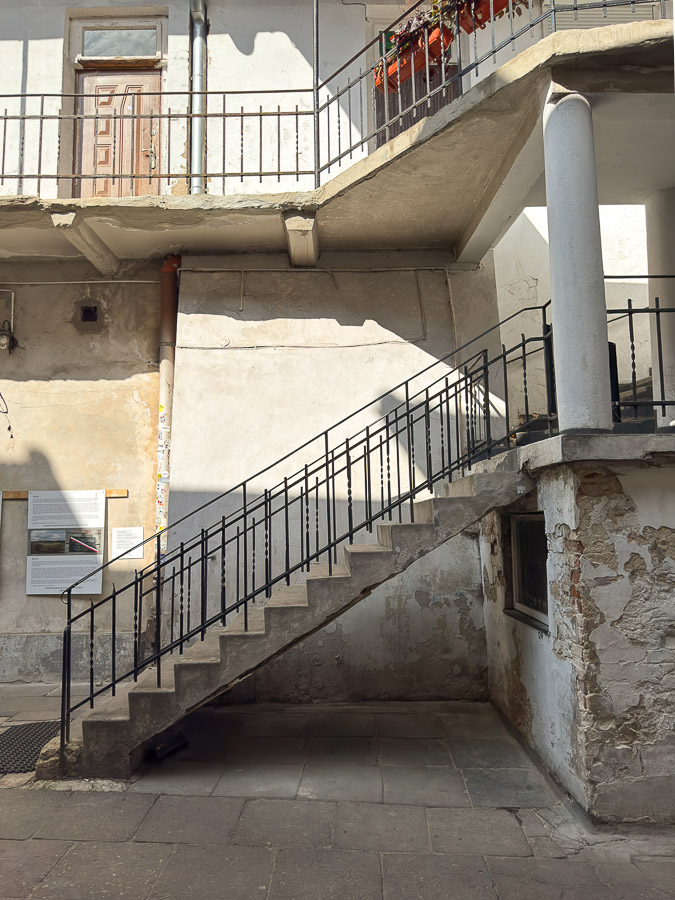
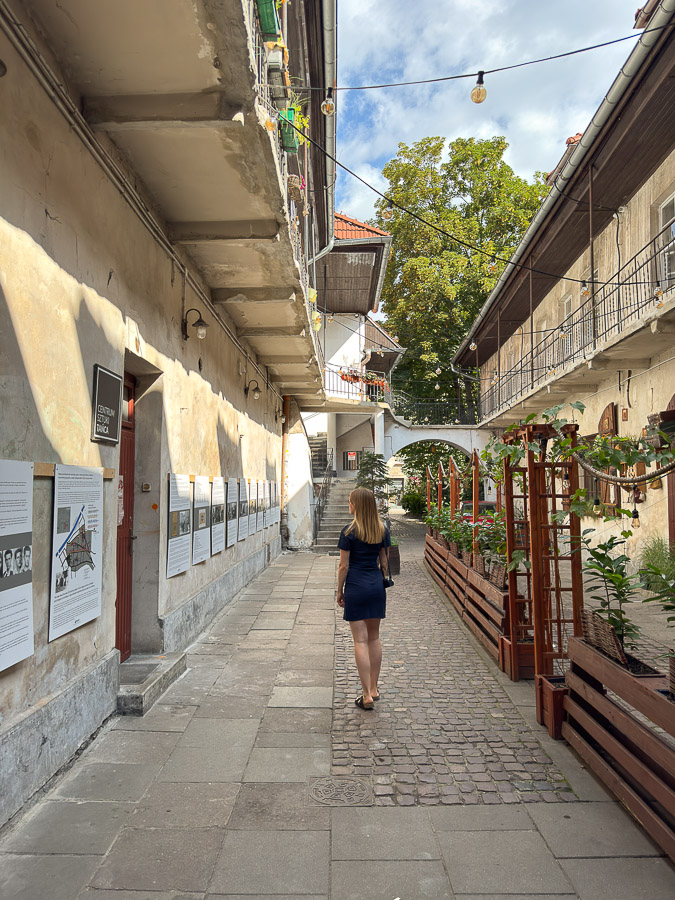
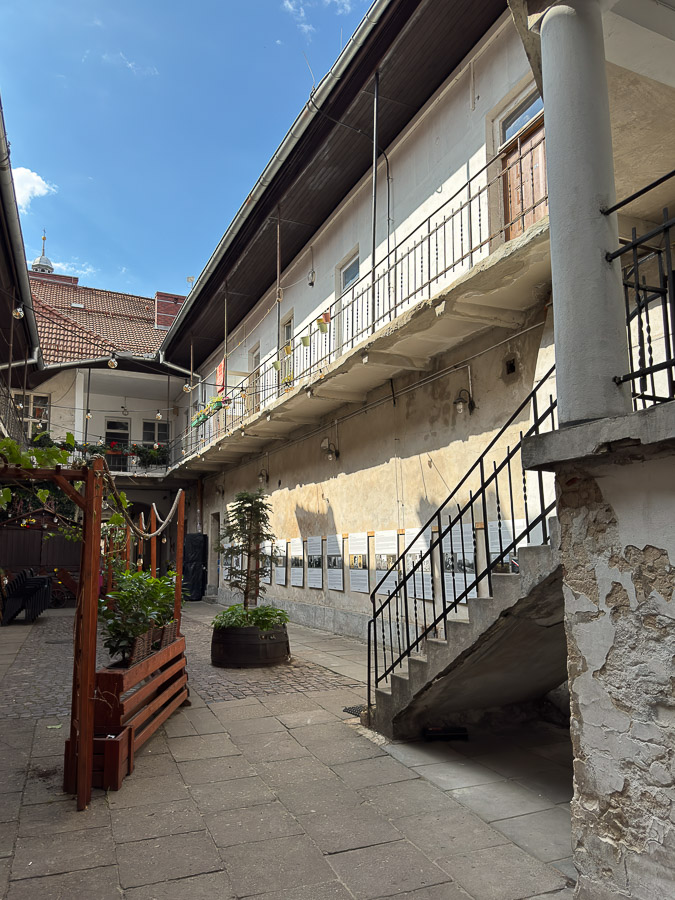
This passage got its nickname because it was used as a set for Spielberg’s movie. It has really nice bar terraces, as well as a very interesting open-air exhibition about life in the ghetto in 1941, which was a great complement to our visit to the Eagle Pharmacy.
The synagogues of Kazimierz
You can visit several synagogues in this neighborhood, such as:
- the Tempel Synagogue, in neo-Romanesque style,
- the Remuh Synagogue and the cemetery of the same name,
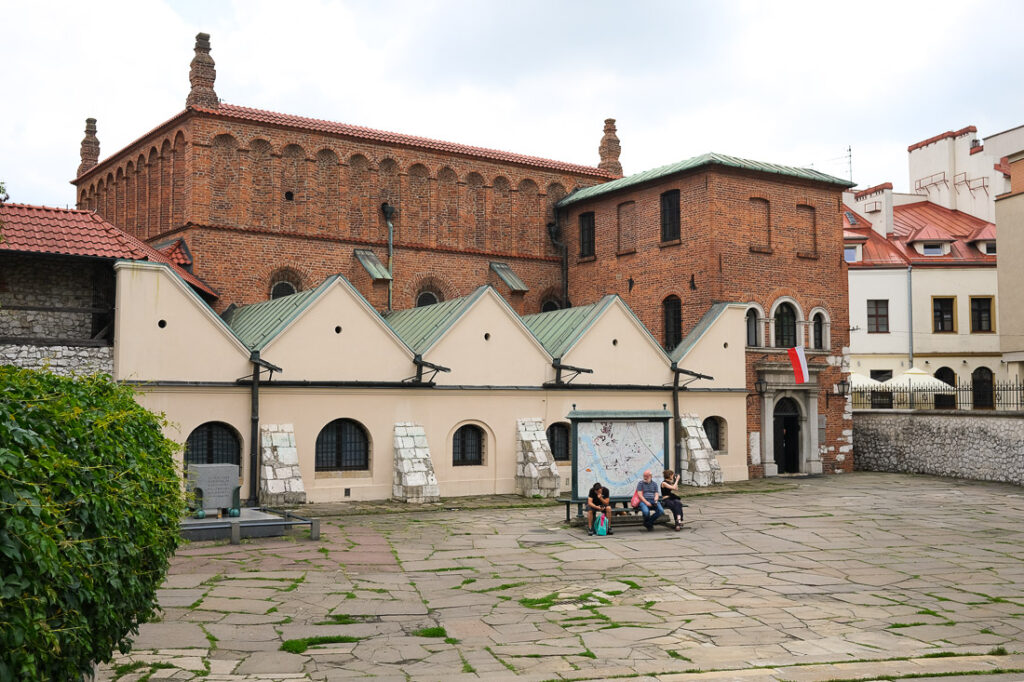
- the Old Synagogue: the oldest Jewish building in Poland, built in the early 15th century.
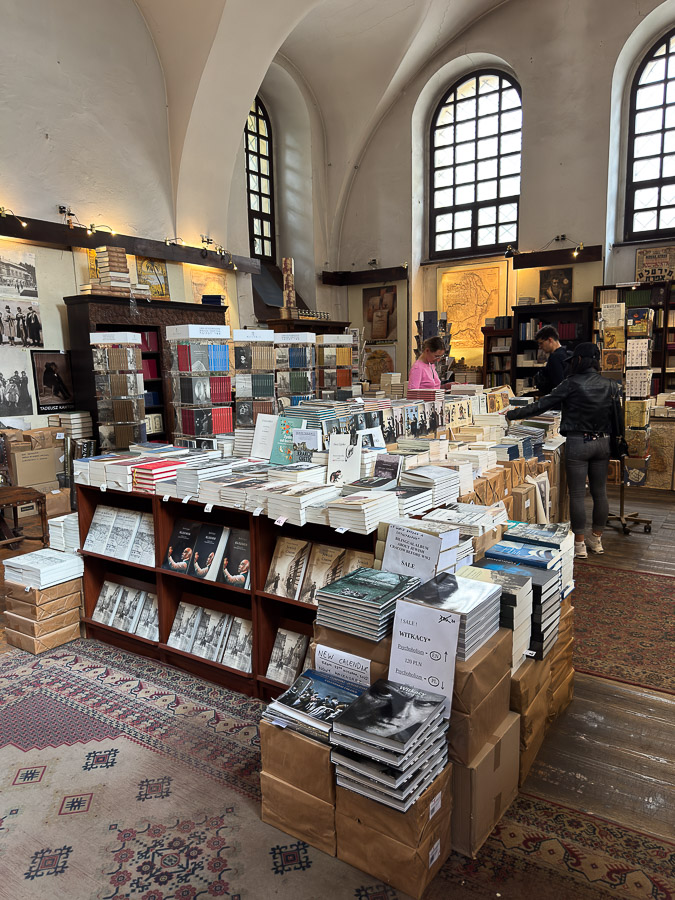
All of these synagogues charge an entrance fee. The only exception is the Popper Synagogue, which has since been turned into a bookstore.
Don’t miss the Corpus Christi Basilica (Bazylika Bożego Ciała) either, which is as beautiful outside as it is inside, with all its gilding and Gothic stained glass. It’s also home to the largest organ in Krakow.
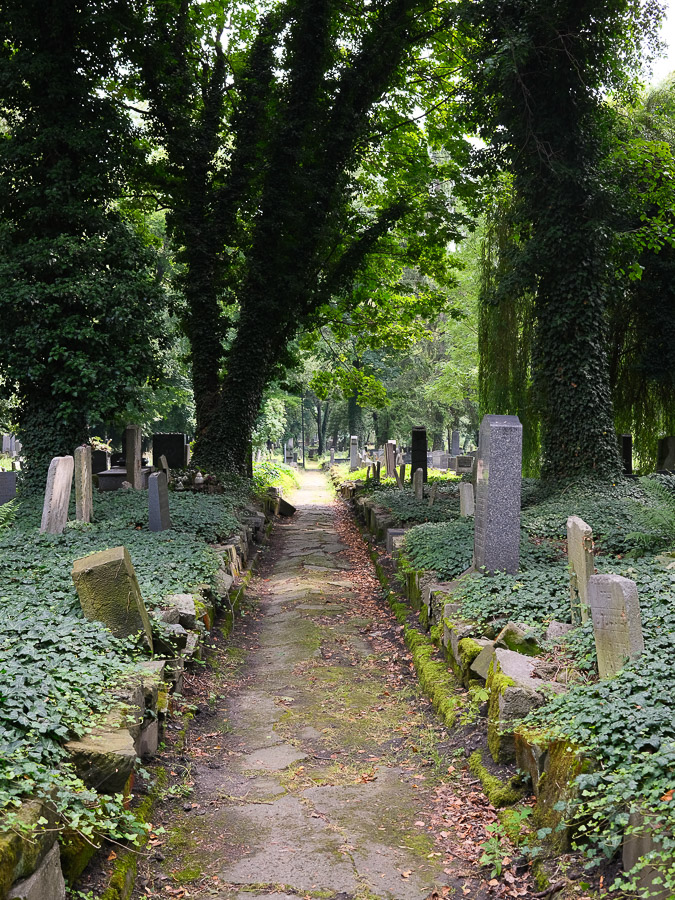
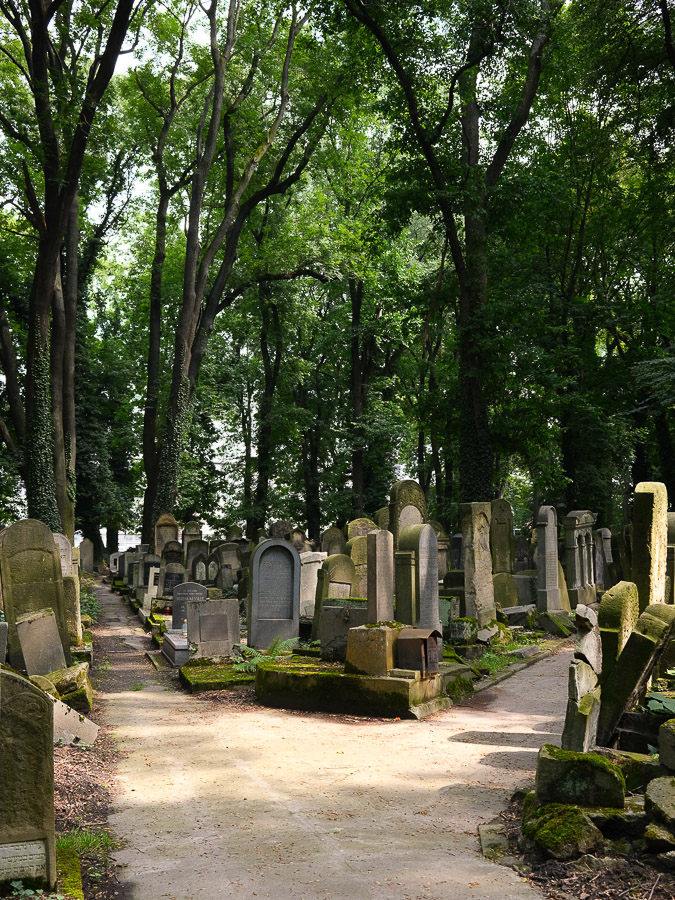
The New Jewish Cemetery
A large cemetery (11 acres) that is reminiscent of the one in Prague. With its many headstones and overgrown vegetation, the cemetery feels almost abandoned and has a very special atmosphere.
With its many bars, restaurants and terraces, Kazimierz is the perfect place to end your day (see our favorite spots further down in the article). But if you still have energy to spare, you can move on to the last visit of the day!
Kościuszko Mound
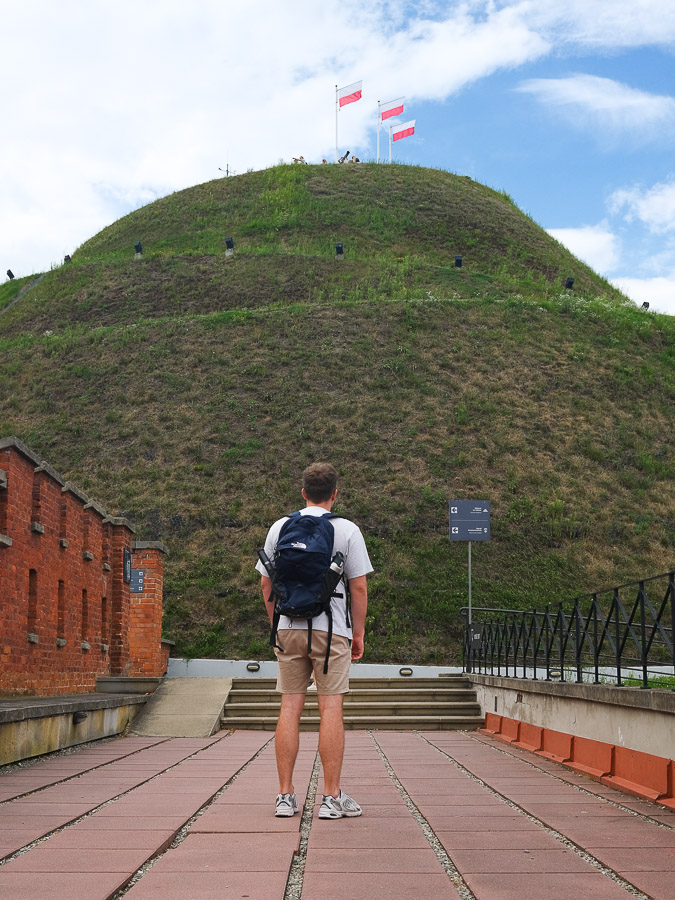
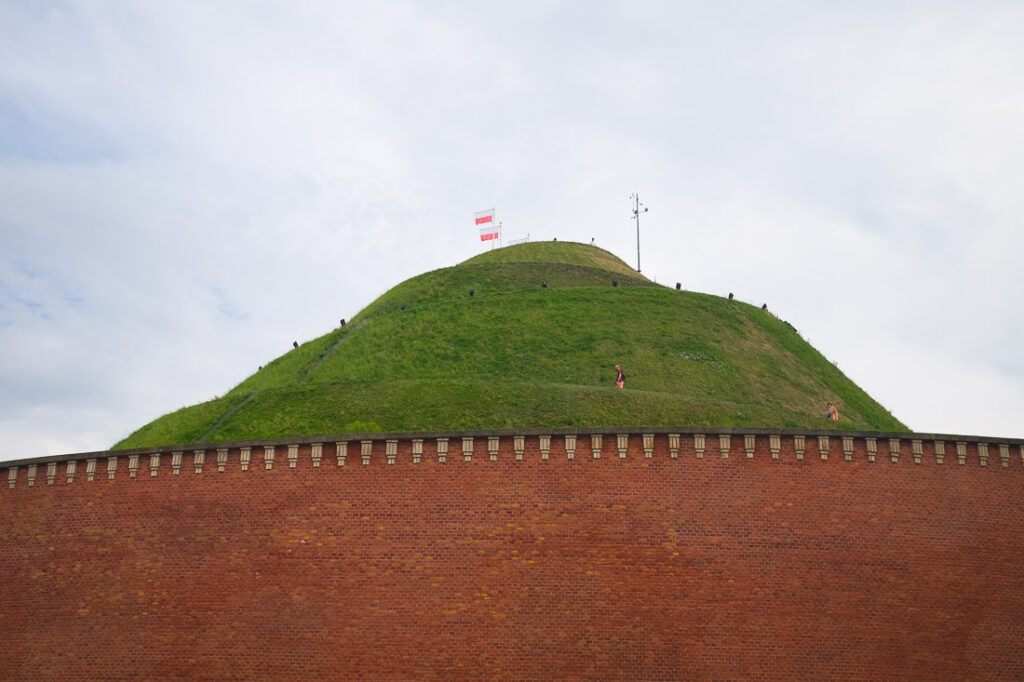
Head west, out of the center, to climb Kościuszko Mound. This man-made hill was built in memory of Tadeusz Kościuszko, who led the 1794 national uprising against Russian and Prussian rule.
After walking through an exhibition about the life of this national hero, you climb the mound along lovely spiral paths. From the top, you can see Krakow, but the city is a little too far away. A nice activity, but not a must in our opinion!
Practical information:
💵 Price: $7
🕘 Opening hours: Every day from 9 a.m. to 7 p.m.
⏳ Time needed: About 1 hour
An evening at the Krakow Pinball Museum
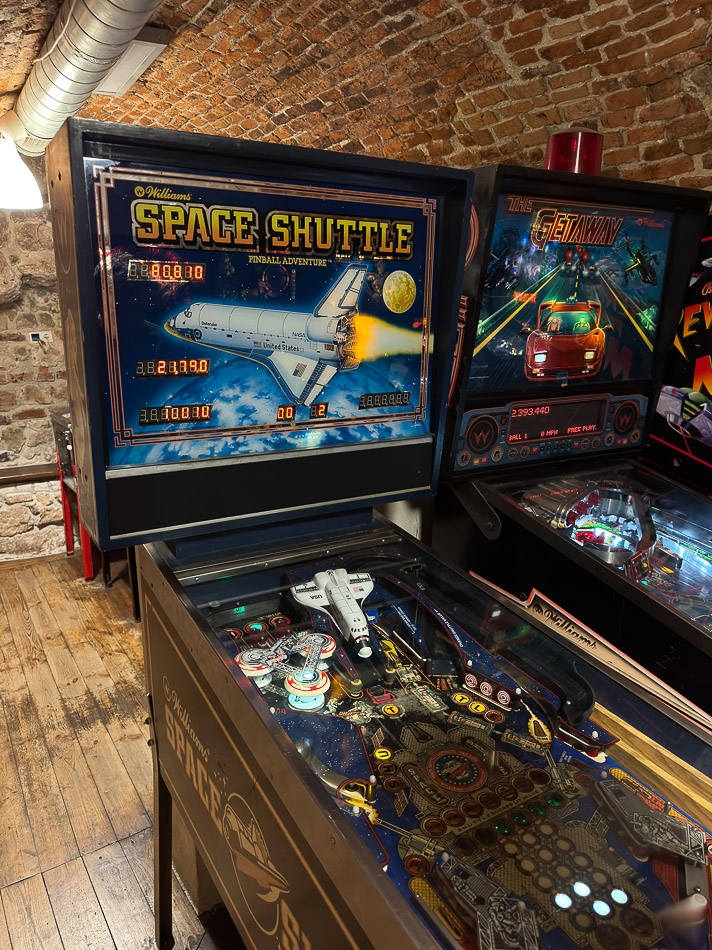
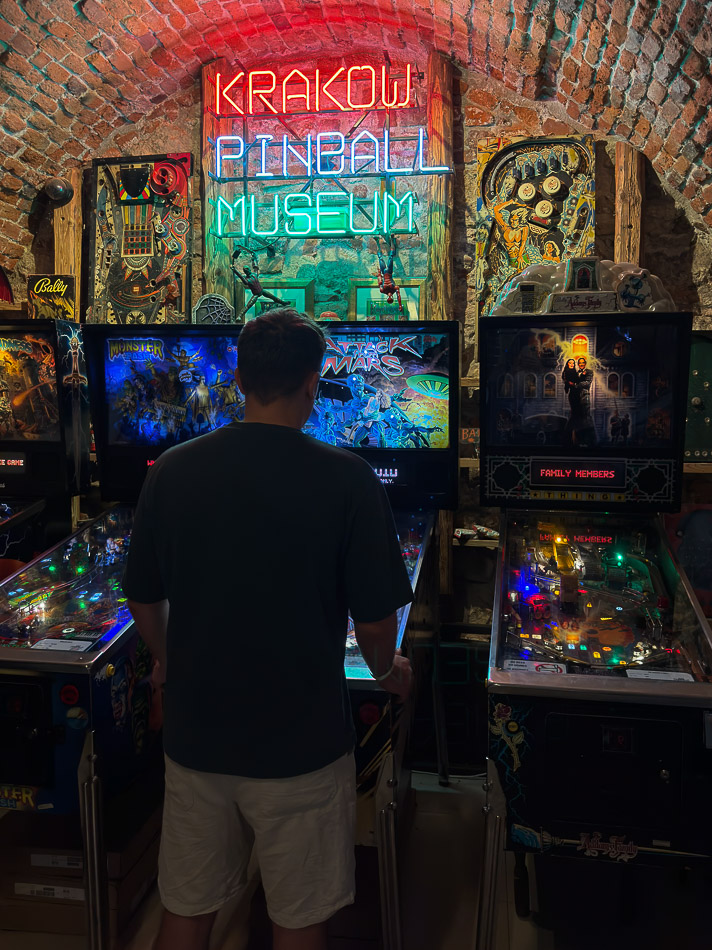
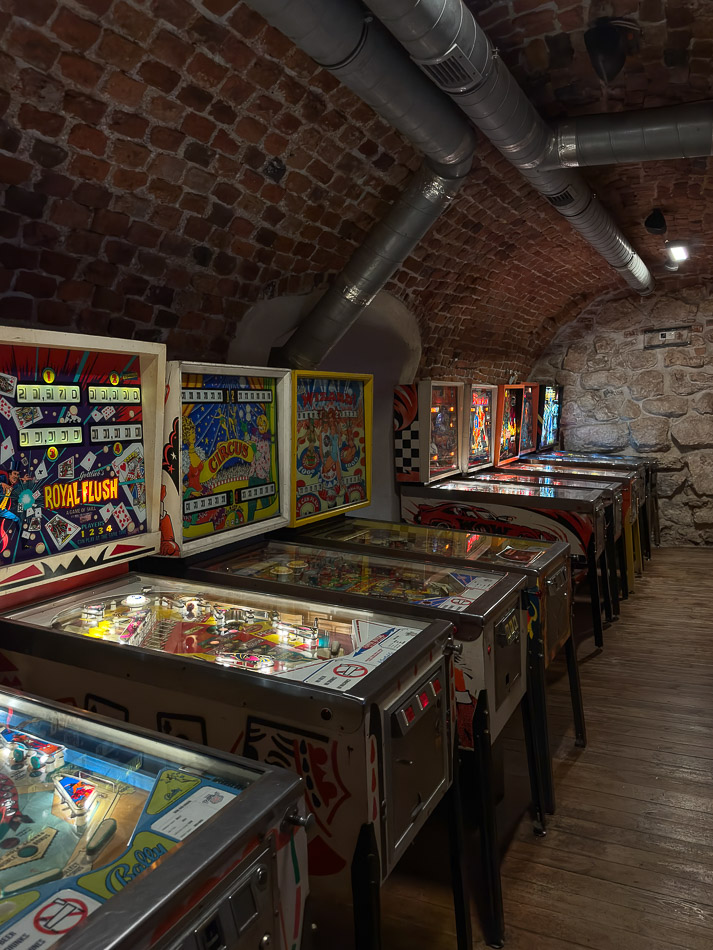
We then spent part of the evening at the Krakow Pinball Museum. It’s not really about learning the history of pinball machines, but rather about spending an hour with dozens of pinball machines from every era.
Indiana Jones, Star Wars, The Addams Family: we put our pinball skills to the test on some beautiful machines (and there are other arcade games too). An hour of unlimited play that went by way too fast!
Practical information:
💵 Price: $13 for one hour, $18.50 for the whole day
🕘 Opening hours: Every day from 2 p.m. to 9 p.m. (until 10 p.m. on Fridays and Saturdays)
Day 3: Wieliczka Salt Mine and Auschwitz
This last day is dedicated to sites just outside Krakow: Wieliczka Salt Mine and the Auschwitz-Birkenau camps. You can reach both by public transportation (30 minutes to the mine and 1.5 hours to the camps).
But to save time, we booked this full-day tour covering both sites. It includes hotel pickup, a guided tour of the salt mine in the morning and of the camps in the afternoon, and the ride back to Krakow. It was a really convenient format and super interesting thanks to the guide’s explanations. If you want to keep things simple, we recommend it!
Wieliczka Salt Mine
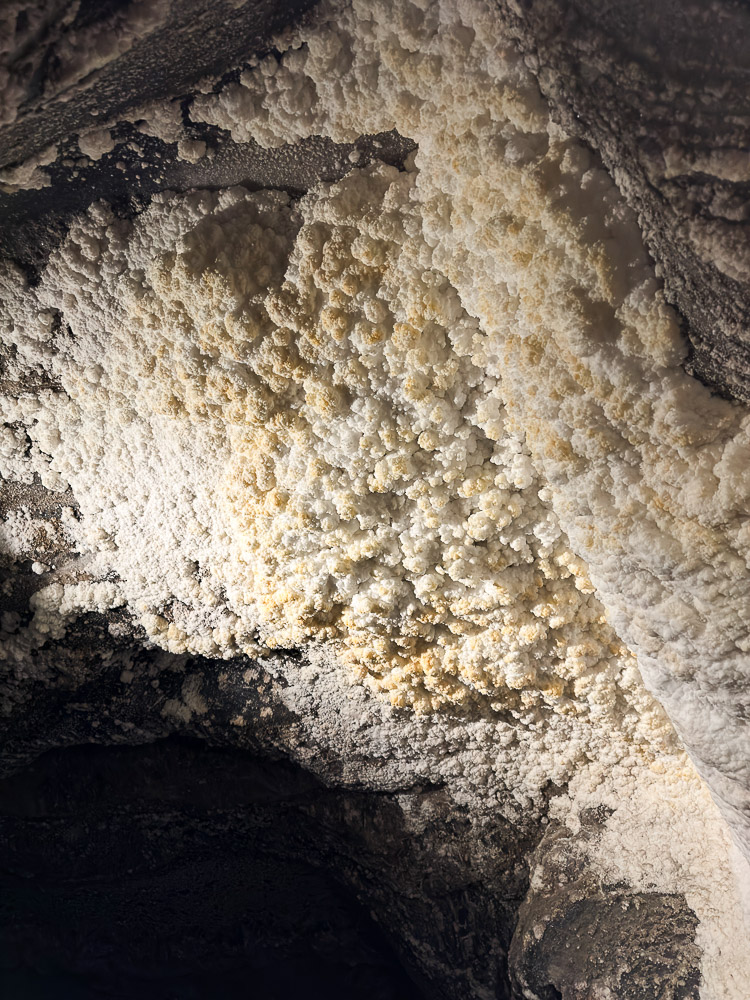
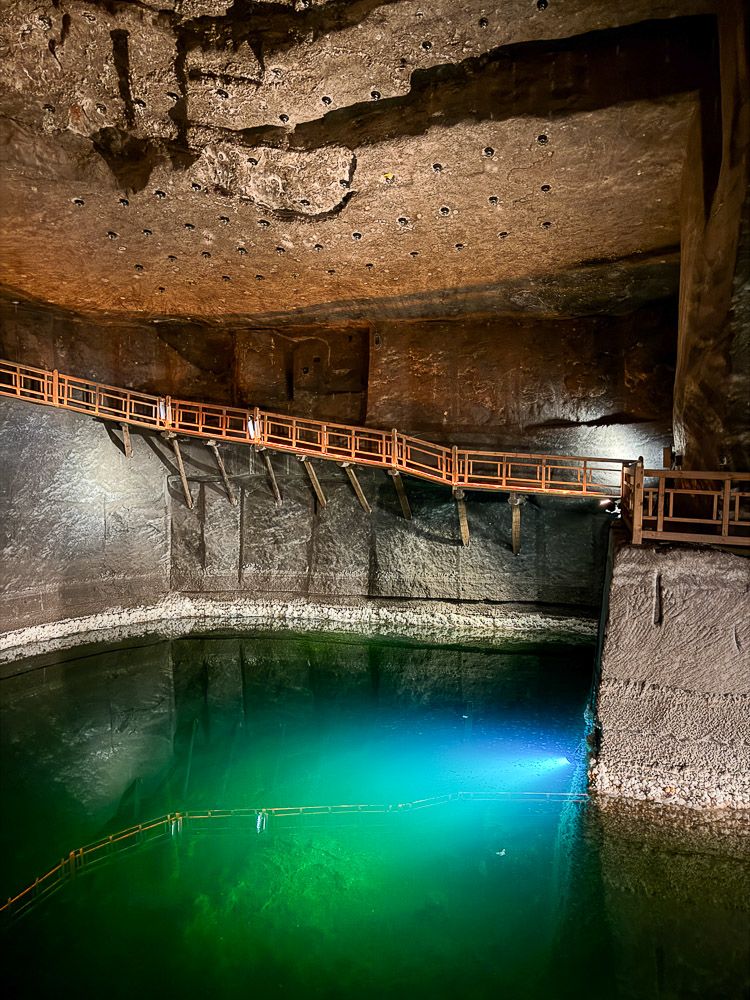
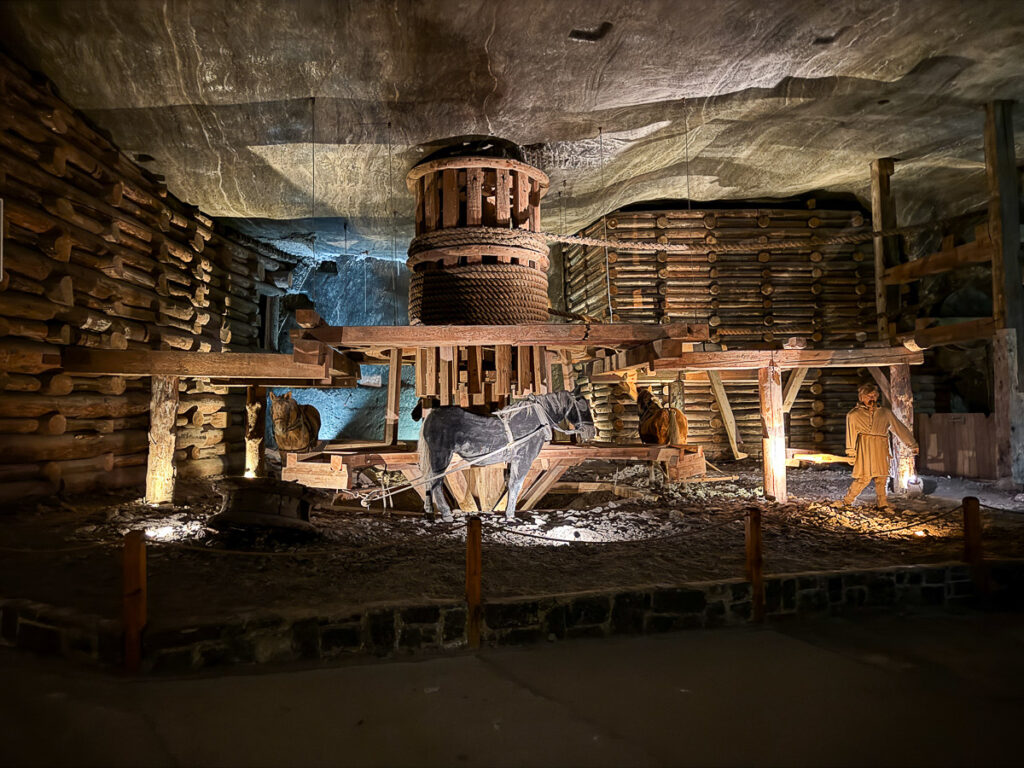
A UNESCO World Heritage Site, this salt mine is a huge underground maze that will make your head spin. You can only visit it on a guided tour (a very interesting one), which still takes you through 2 miles (3.5 km) of tunnels and underground chambers. Which isn’t much compared to the 186 miles (300 km) of galleries dug by hand since the 13th century!
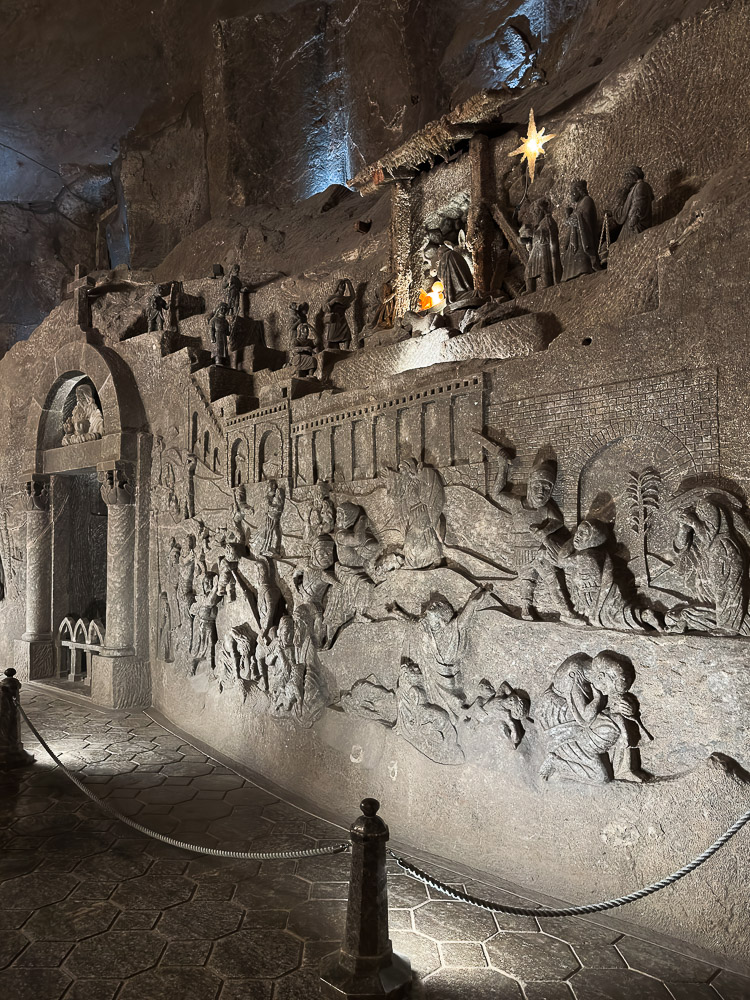
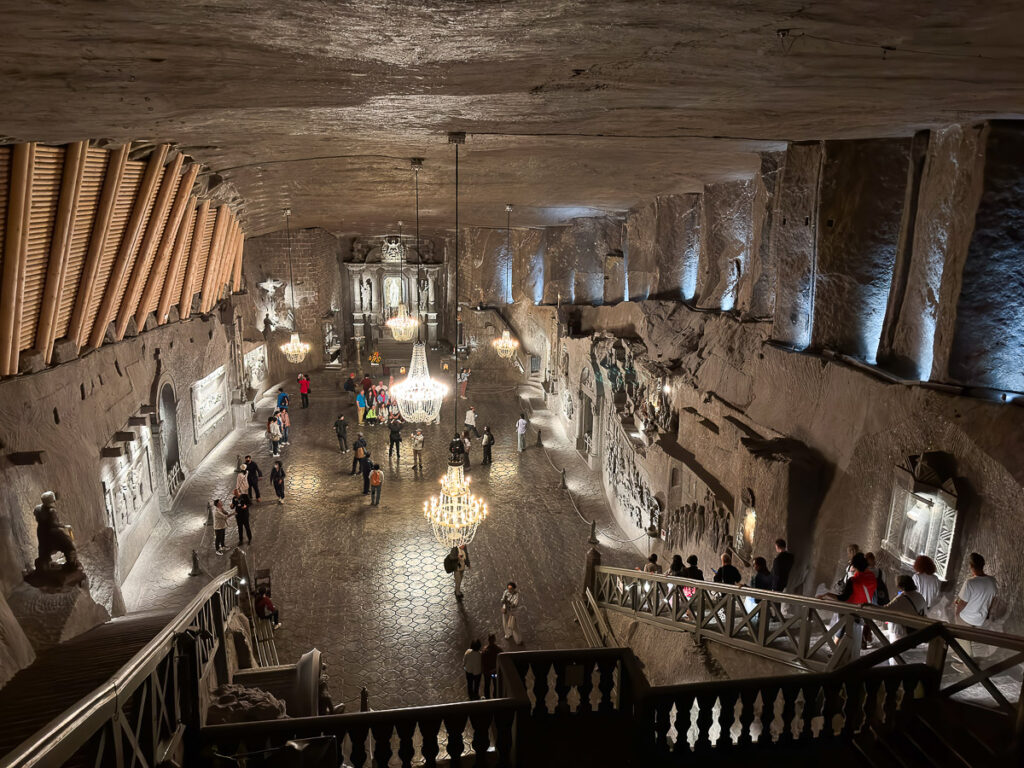
As you go down to 443 feet (135 m) below ground, you learn a lot about the history of the mine and how it was used over the centuries. You walk past lakes and shafts and come across many sculptures, but the most impressive part is the Chapel of St. Kinga. This huge hall, lit by chandeliers made of salt crystals and decorated with bas-reliefs carved in salt, makes you forget you’re hundreds of feet underground.
Practical information:
💵 Price: $41 for a full-price guided tour (available in English)
🕘 Opening hours: Vary by day, check them here
⏳ Time needed: 2 to 3 hours
🚗 Getting there: From Krakow, take a train to Wieliczka Rynek Kopalnia or a public bus, for a ride of about 30 minutes. Organized tours like this one are also available, including a guided tour in English and transportation from your hotel.
Auschwitz-Birkenau
A sadly essential site, the Auschwitz and Birkenau camps are as moving as they are necessary to visit.
Entry to both camps is free if you want to visit on your own. However, you’ll need to book your time slot on the official website, as entries are limited.
That said, we strongly recommend booking a guided tour, which costs PLN 150 (about $38). Tours last 3.5 hours and are available in several languages, including English. Here too, we recommend booking well in advance to make sure you get a slot.
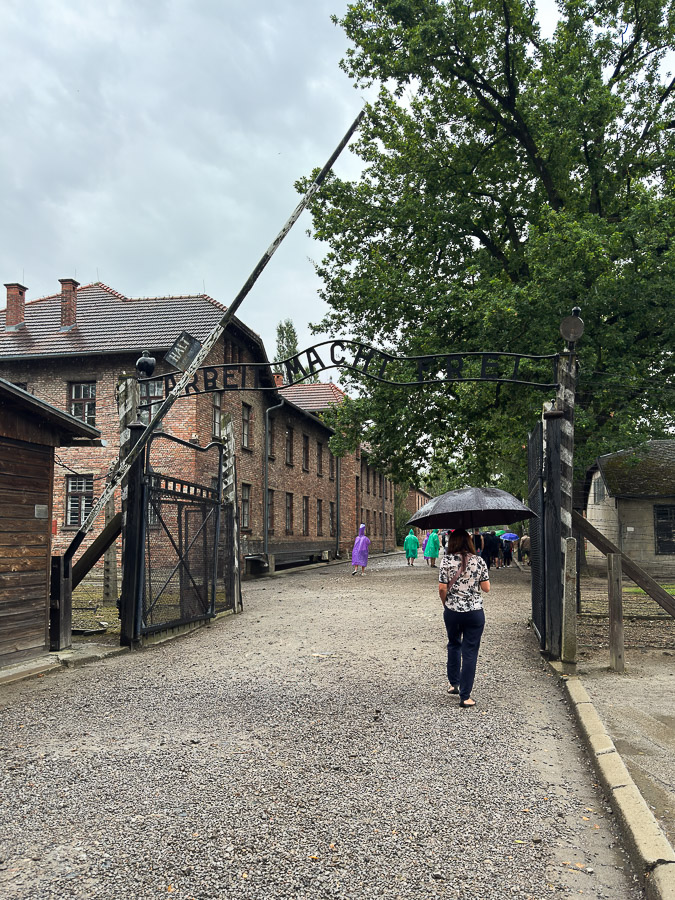
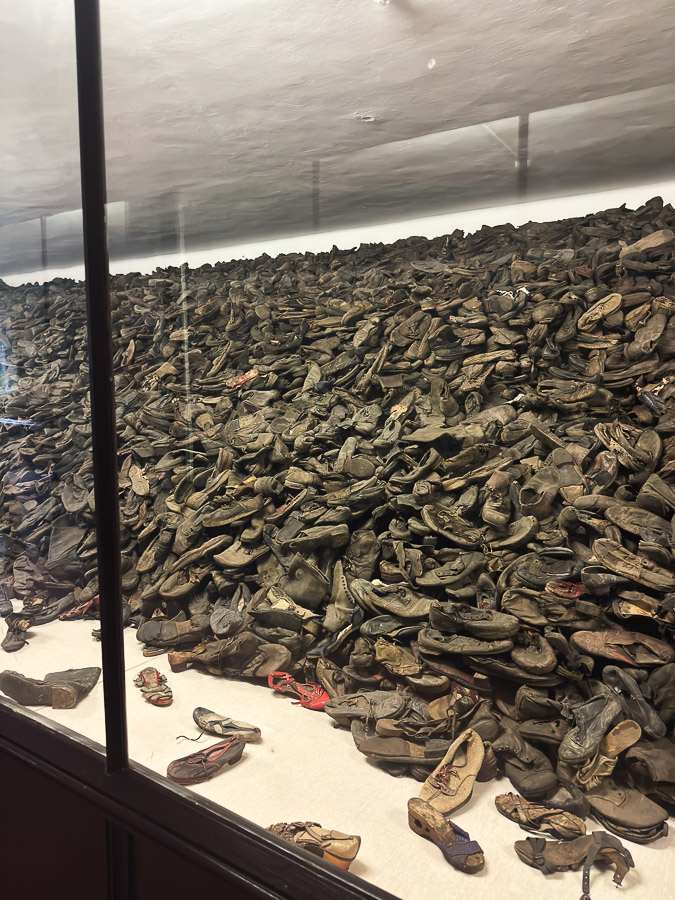
The guide adds a lot of context and information to the visit of Auschwitz, which makes up most of the tour. After walking through the infamous gate bearing the words “Arbeit Macht Frei,” you discover the different blocks. Some have been turned into exhibitions about the Holocaust, the prisoners’ lives and striking evidence of the crimes committed in this camp. Others have been left as they were, to show the conditions in which prisoners were held. The route ends with the gas chamber and the crematorium.
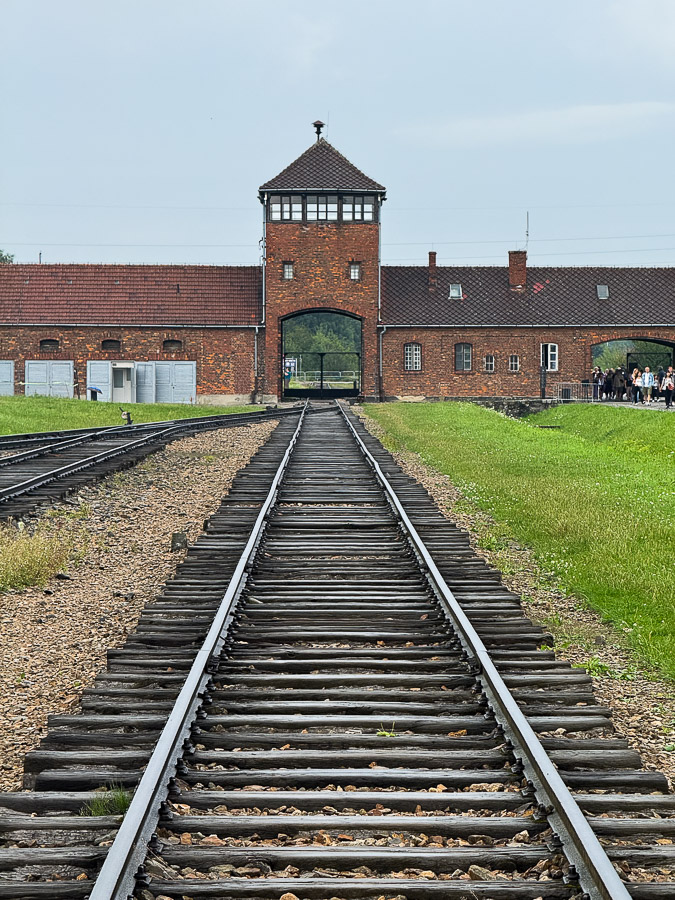
You can continue the visit at Birkenau, also known as Auschwitz II. A free shuttle runs between the two sites. Here, you’re struck by the sheer size of the site, where the ruins of the barracks stretch as far as the eye can see. In 1944, Birkenau could hold up to 90,000 prisoners. There’s no museum here, just this moving site, where it’s hard to imagine the horrors that took place.
Practical information:
💵 Price: $38 for a guided tour (available in English), free for a self-guided visit
🕘 Opening hours: Opens at 7:30 a.m., last entry between 2 p.m. (December) and 7 p.m. (summer) depending on the season
⏳ Time needed: Half a day
🚗 Getting there: From Krakow, about 1.5 hours by bus from the main train station. You can also go for an organized tour like this one, including a guided tour in English and transportation from your hotel.
Where to stay in Krakow for 3 days
To make your stay in Krakow easier, we recommend staying as close as possible to the Old Town, where you’ll spend most of your time. We chose the Kazimierz neighborhood.
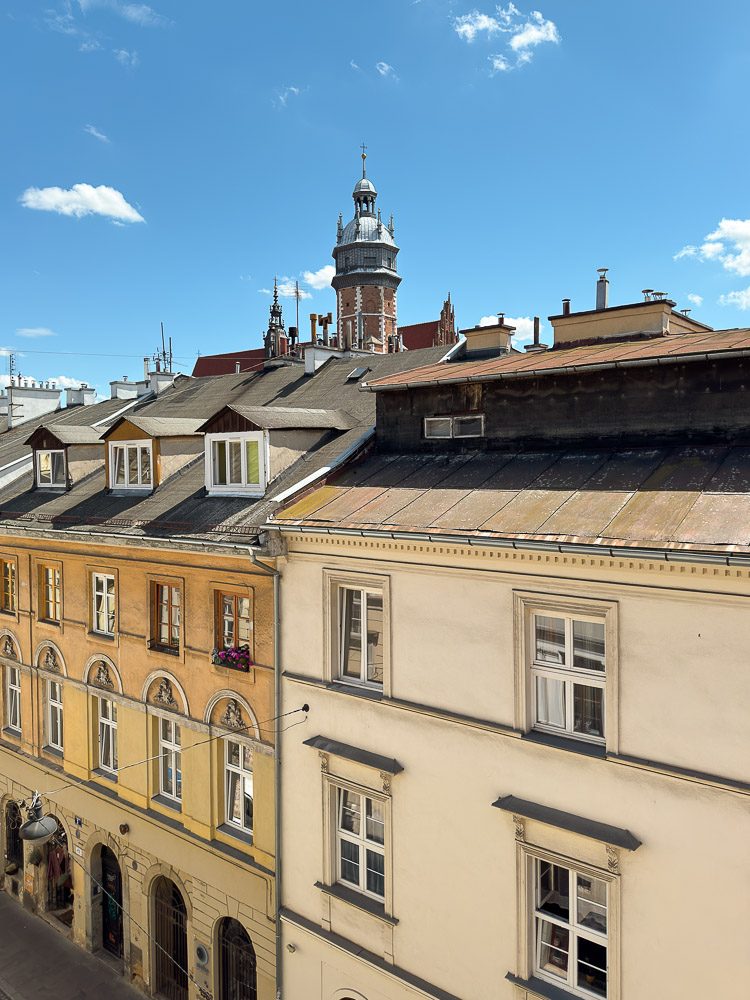
Just a short walk from the center and a little cheaper, this neighborhood is also a great choice because it’s packed with good places to eat and drink. In the evening, the area comes alive and is really pleasant.
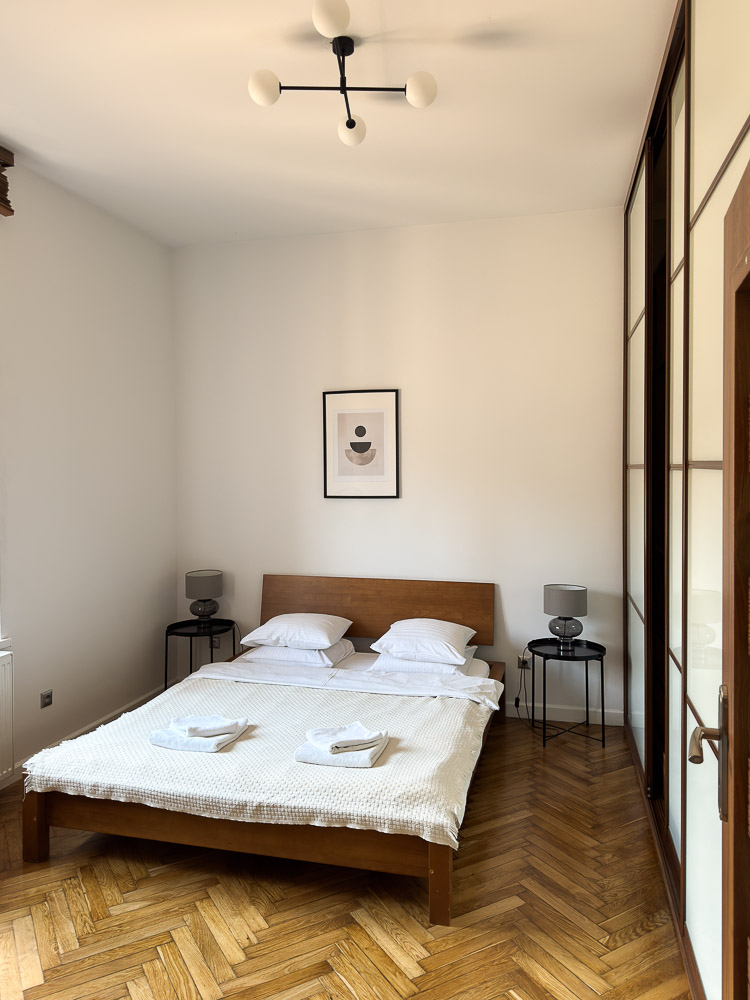
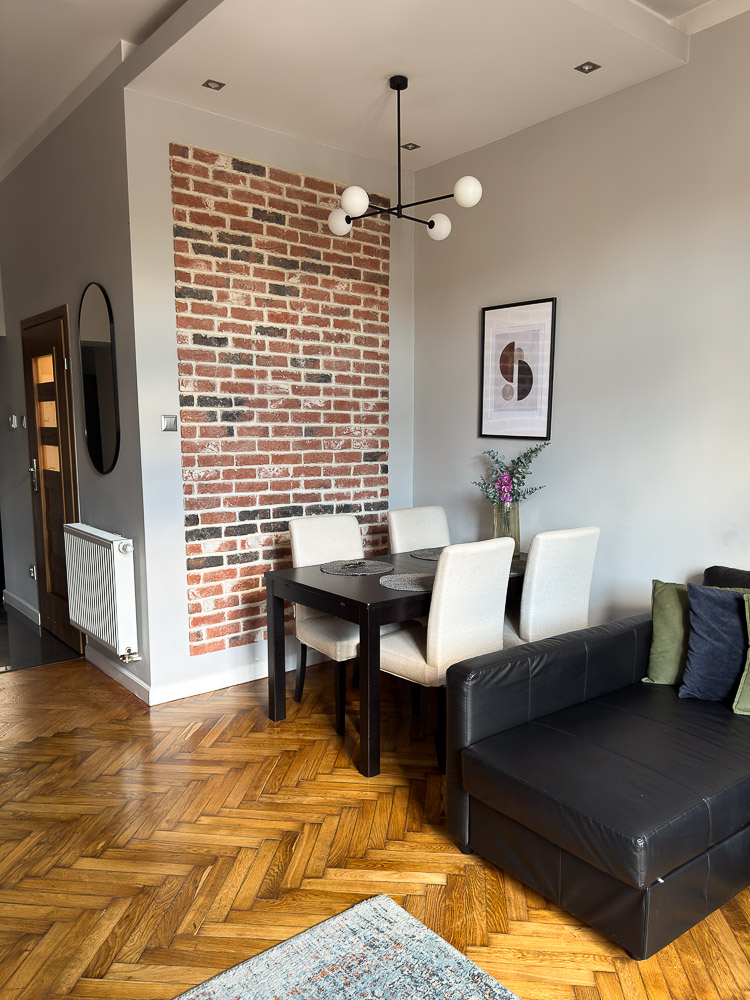
We stayed at Apartment Jozefa, right in Kazimierz. This apartment is spacious, quiet and very well equipped, with self check-in and check-out. It was perfect!
To get an idea of accommodation prices in Krakow, you can use the map below:
Where to eat and drink in Krakow
There’s a huge choice in Krakow, whether you want to feast on local food or try other cuisines. So here’s our selection of places for a meal, an afternoon snack or a drink, tried and tested!
You’ll also find all these places on the interactive map at the beginning of this article.
In the Old Town
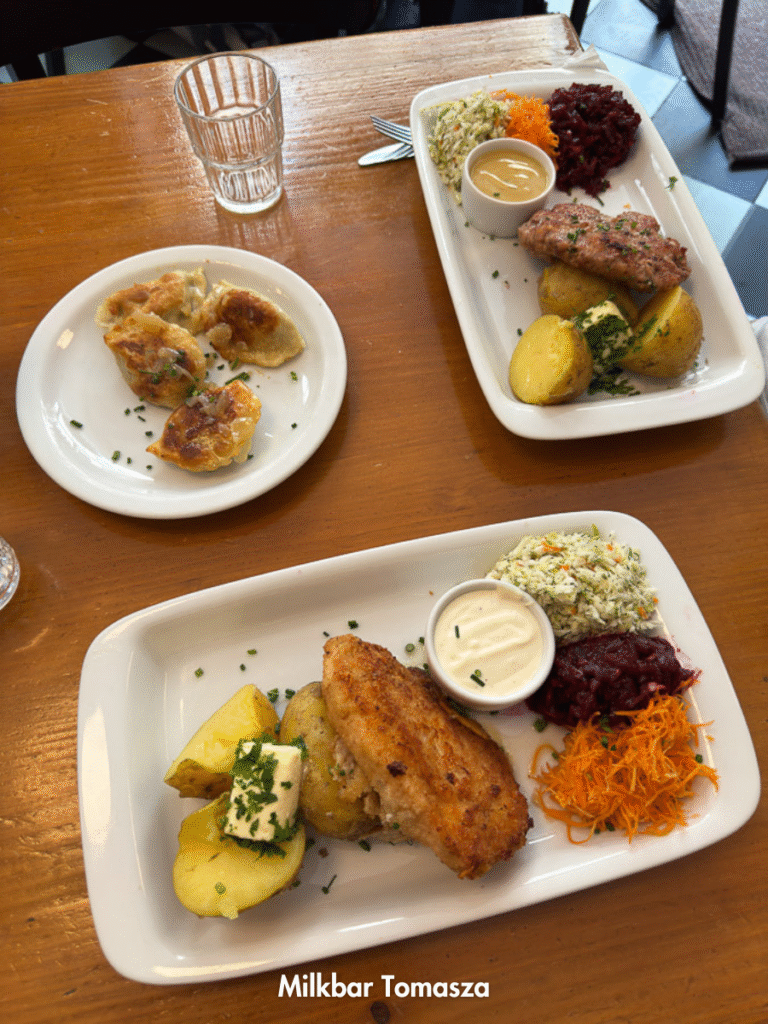
🍽️ Milkbar Tomasza: You can’t visit Krakow without eating at a “milk bar,” these communist-era canteens serving simple, cheap Polish food. At Milkbar Tomasza, you get table service and generous local dishes, with good, inexpensive daily specials!
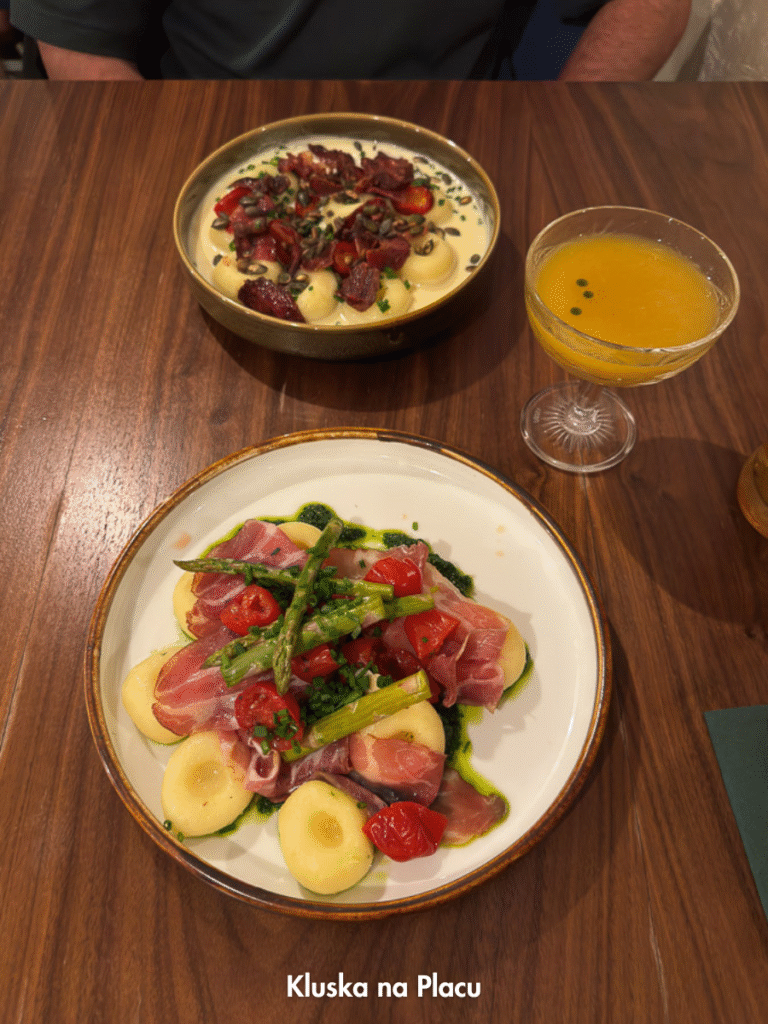
🍏 Kluska na Placu: Our favorite spot of the trip, where you can try kluski, typical dumplings from Silesia. The desserts are amazing too, especially the apple pie!
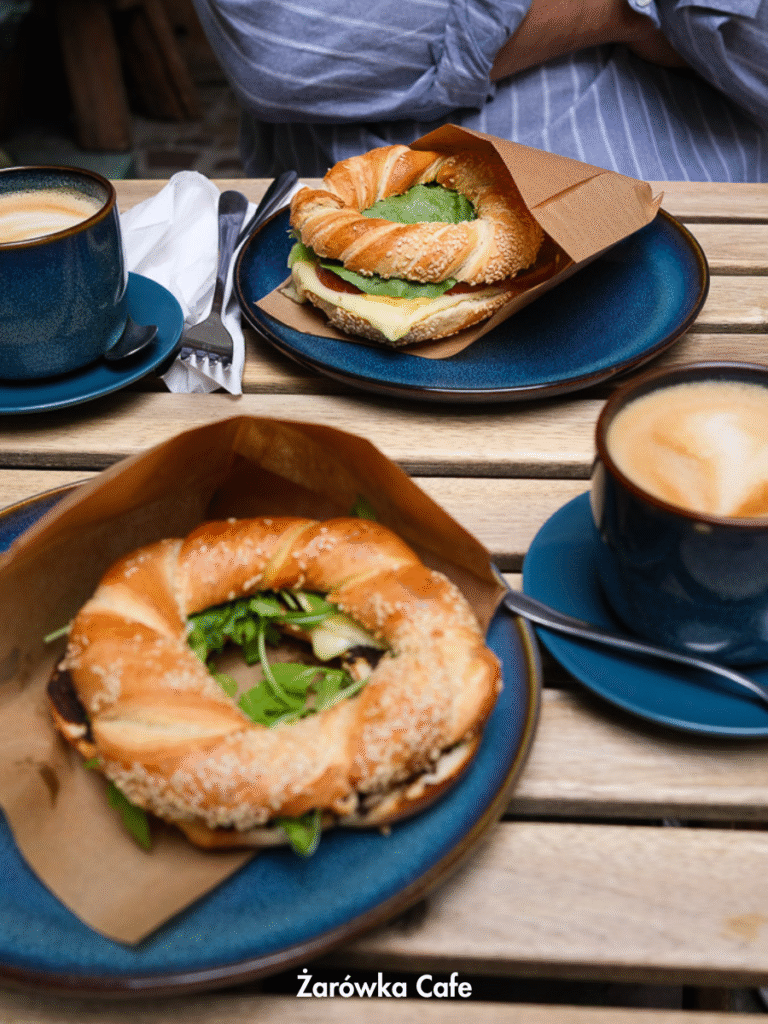
🥯 Żarówka Cafe: A small café in a courtyard in the heart of the Old Town, specializing in Krakow bagels, the “obwarzanek krakowski,” which you’ll see sold on every street corner.
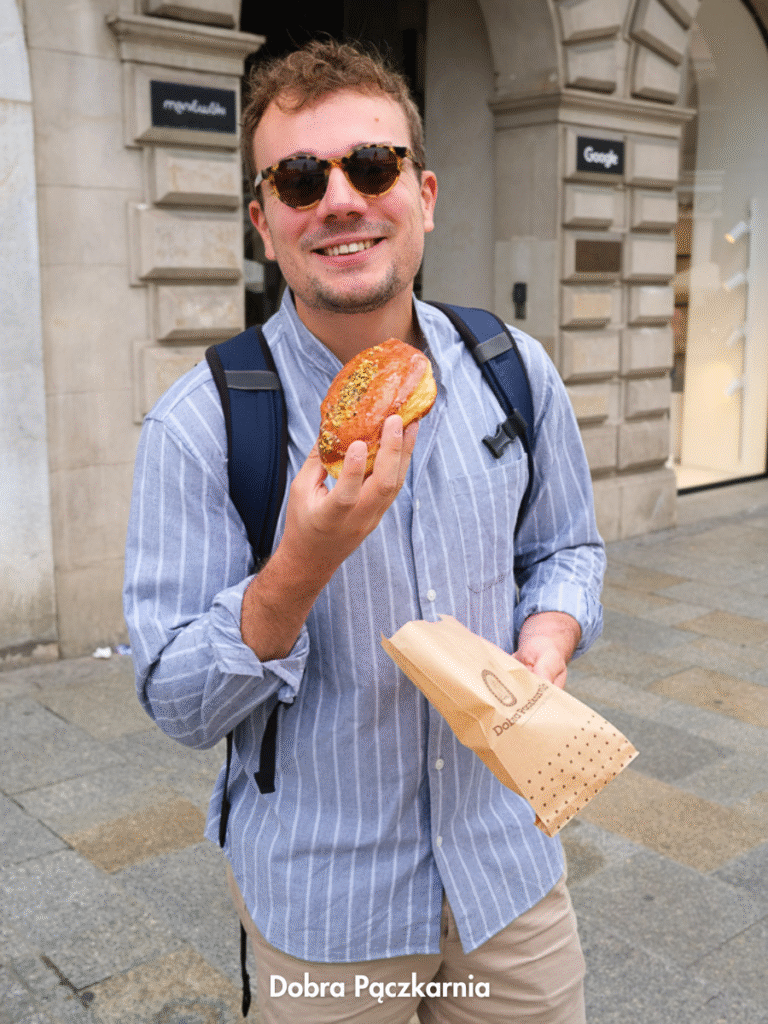
🍩 Dobra Pączkarnia: A small street-side counter serving pączki, Polish donuts generously filled with pistachio, custard or chocolate.
In Kazimierz
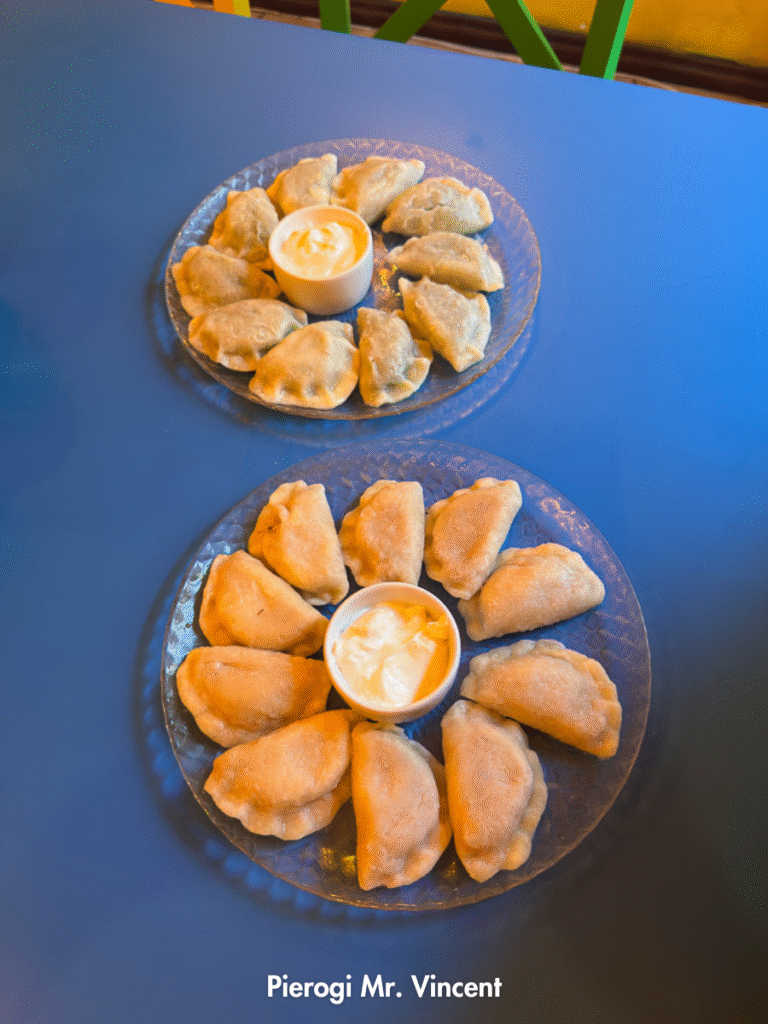
🥟 Pierogi MR Vincent: A very popular place to try the famous pierogi, Polish dumplings. Delicious and cheap!
🌭 Judah Food Market: A small food market right in Kazimierz, ideal for a quick bite. It came to our rescue several times: we tried zapiekanki there, those indulgent and filling toasted open-faced sandwiches, as well as generous burgers with Krakow-style braised meat.
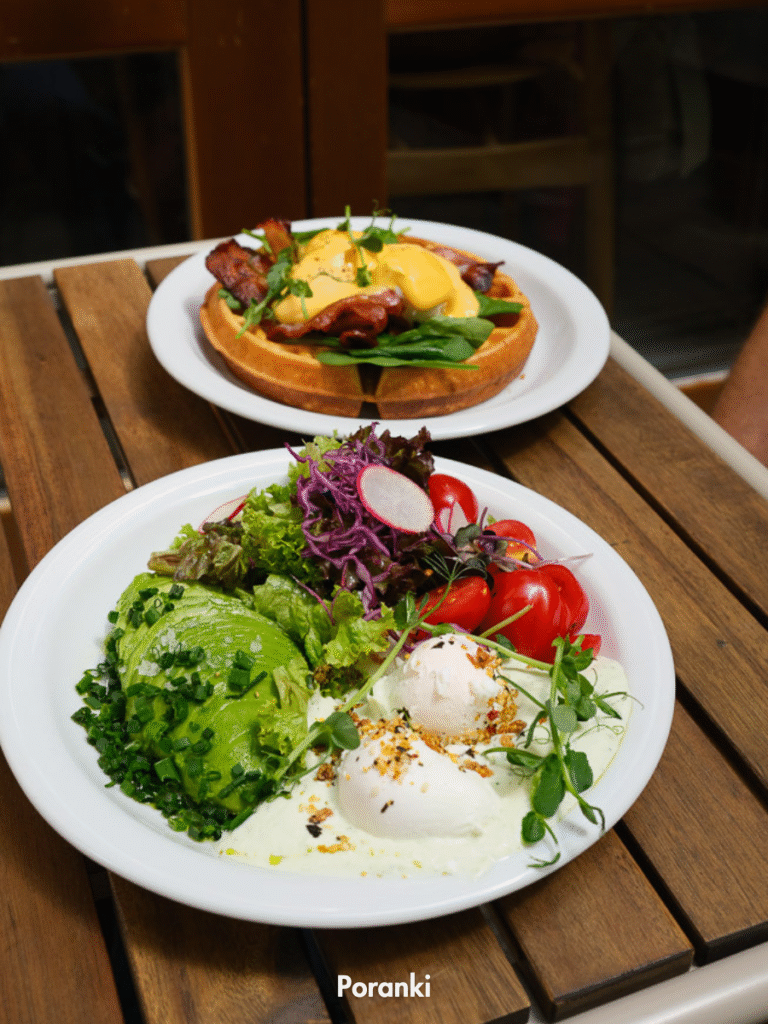
🥞 Poranki: A great brunch spot, with a lovely garden and beautiful plates.
🍣 Hana Sushi: For a break from Polish food, good sushi in a lovely immersive setting!
🥐 Piekarnia Mojego Taty: A good neighborhood bakery, with huge blueberry pastries and savory donuts. The onion bread is delicious, but we don’t recommend keeping it in your backpack all day, unless you want it to smell of onion forever.
🍨 Good Lood: Our favorite ice cream shop of the trip, with original flavors that change every day (and since we take our job seriously, we had to go back several times to check).
🍦 Lodziarnia Saint Malo: Another great ice cream shop, whose founders come from Saint-Malo, in Brittany!
🍺 Mleczarnia Ogródek: In the Schindler’s List Passage, a pleasant terrace serving local beers, perfect for a drink after a long day of exploring.
🍸 Singer: A bar full of old sewing machines, perfect for trying Polish vodka, served straight or in a wide range of flavors.



How much does a 3-day trip to Krakow cost?
For our long weekend in Krakow, we spent about $1,100 in total, or about $550 per person. Of course, this is only a rough guide and will vary a lot from one traveler to another. It also doesn’t include getting there, since we arrived by train from Prague and flew back to Paris.
For accommodation, we had an entire apartment ideally located in Kazimierz, for about $310 for 3 nights. For sightseeing and activities, most of the budget went to Wawel Castle and the Auschwitz and salt mine tour.
As for food, we ate out every day, often with an afternoon snack or a drink in the evening. There’s something for every budget. If you want to keep costs down, we really recommend the milk bars in the city center, open at lunchtime. The food courts in the Jewish Quarter are also a good cheap option!
For transportation, we got around the city on foot only, since our Auschwitz and salt mine tour included transportation. We just treated ourselves to an Uber to get to Kościuszko Mound, which is quite far out.
| Expense | Budget per person |
|---|---|
| Sightseeing & activities | $220 |
| Accommodation | $155 |
| Restaurants | $120 |
| Snacks & drinks | $35 |
| Transportation | $20 |
| Total | $550 |
What currency is used in Krakow?
The currency in Krakow is the Polish złoty (PLN). 1 złoty = about $0.27.
You can withdraw or exchange złoty once you’re there, or pay with a bank card. To avoid extra costs, we recommend using a card with no foreign transaction fees, and always choosing to pay in złoty rather than in dollars when a card machine or ATM asks.
How to get around Krakow
In Krakow, the historic center is best explored on foot, as it’s compact and largely pedestrianized. That’s mostly how we got around.
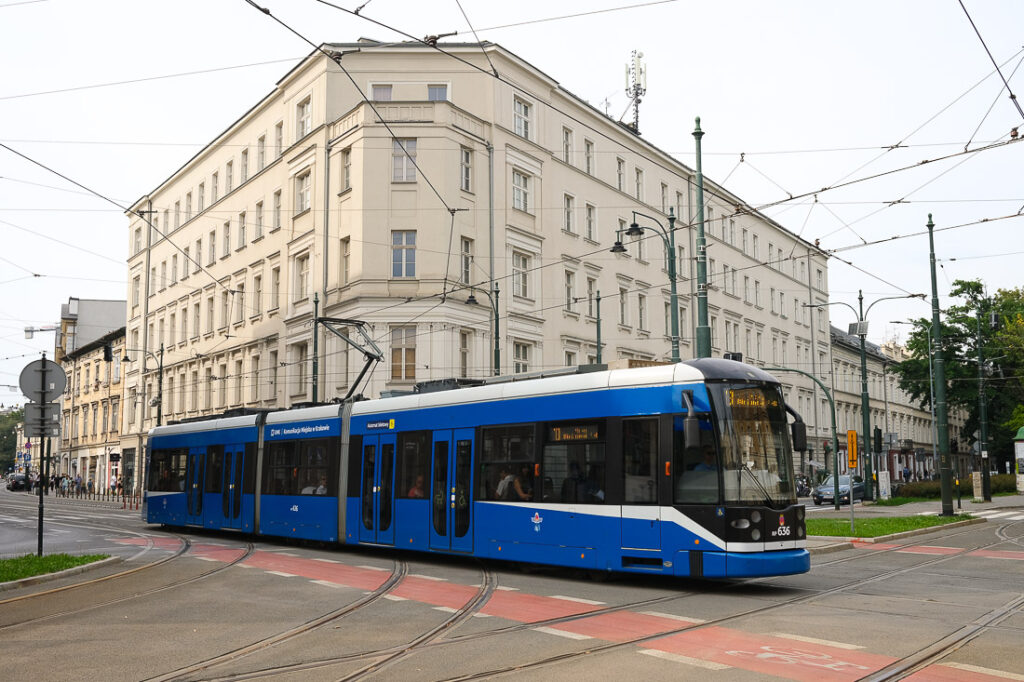
For longer trips, the tram and bus network is efficient, cheap and well connected, with tickets valid on all public transportation (sold at ticket machines, by the driver or in the Jakdojade app). Expect to pay about $1 for a single ride or $4.50 for a 24-hour ticket.
To get out of the center or to the airport, you can also use ride-hailing apps like Uber and Bolt, which are reliable, fast and very reasonably priced.
When is the best time to visit Krakow?
Krakow is lovely to visit in any season. We went in the middle of summer, at the end of July, and really enjoyed the atmosphere, even though it was probably more crowded than in the low season. Lively terraces, greenery everywhere and long sunny days add to the city’s charm.
Otherwise, you can go in the shoulder season (April–May and September–October), when the weather is pleasant, crowds are smaller and accommodation is more affordable. In December, the Main Market Square hosts one of the most beautiful Christmas markets in Poland, with wooden stalls, festive lights and local specialties.
How many days do you need in Krakow?
We spent 3 full days in Krakow, packed with sightseeing, which allowed us to see the city’s highlights. So we recommend planning at least three days to follow the itinerary in this article.
If you can, staying four days or more will give you a more relaxed pace and the chance to explore sites a little farther away.
More things to do in Krakow
If you have an extra day in Krakow, or if you’d like to spend more time in museums, here are a few ideas to round out your trip:
- National Museum in Krakow: This large museum displays a collection of Polish and European art, from the Middle Ages to contemporary art.
- Czartoryski Museum: This museum is home to Leonardo da Vinci’s famous painting Lady with an Ermine.
- Museum of Pharmacy: Spread over five floors, this museum covers the history of pharmacy, with plenty of stills and herbalist tools.
- Nowa Huta: Built in the 1950s, this industrial district was meant to be the showcase of Poland’s communist regime. It stands out for its unusual urban planning, its museums and the cafés set in this retro backdrop.
- Tyniec Abbey: About 6 miles (10 km) from Krakow, this 11th-century Benedictine monastery sits on a hill overlooking the Vistula. A lovely visit in a peaceful setting, away from the busier tourist trails.
Our thoughts on our 3 days in Krakow
We really enjoyed visiting Krakow! It’s a pretty city, full of charm. Even though we didn’t fall for it quite as hard as we did for Prague, Krakow is still a fascinating destination for its history and the many things to see. And food-wise, we weren’t disappointed either, between the delicious pierogi and the tasty local donuts.
Some of the links in this article are affiliate links, which means we earn a small commission if you make a reservation through them. This doesn’t change the price for you, but it helps us continue to create content for our blog, which will always remain free. Thank you for your support 🫶